Tag Archives: Rice

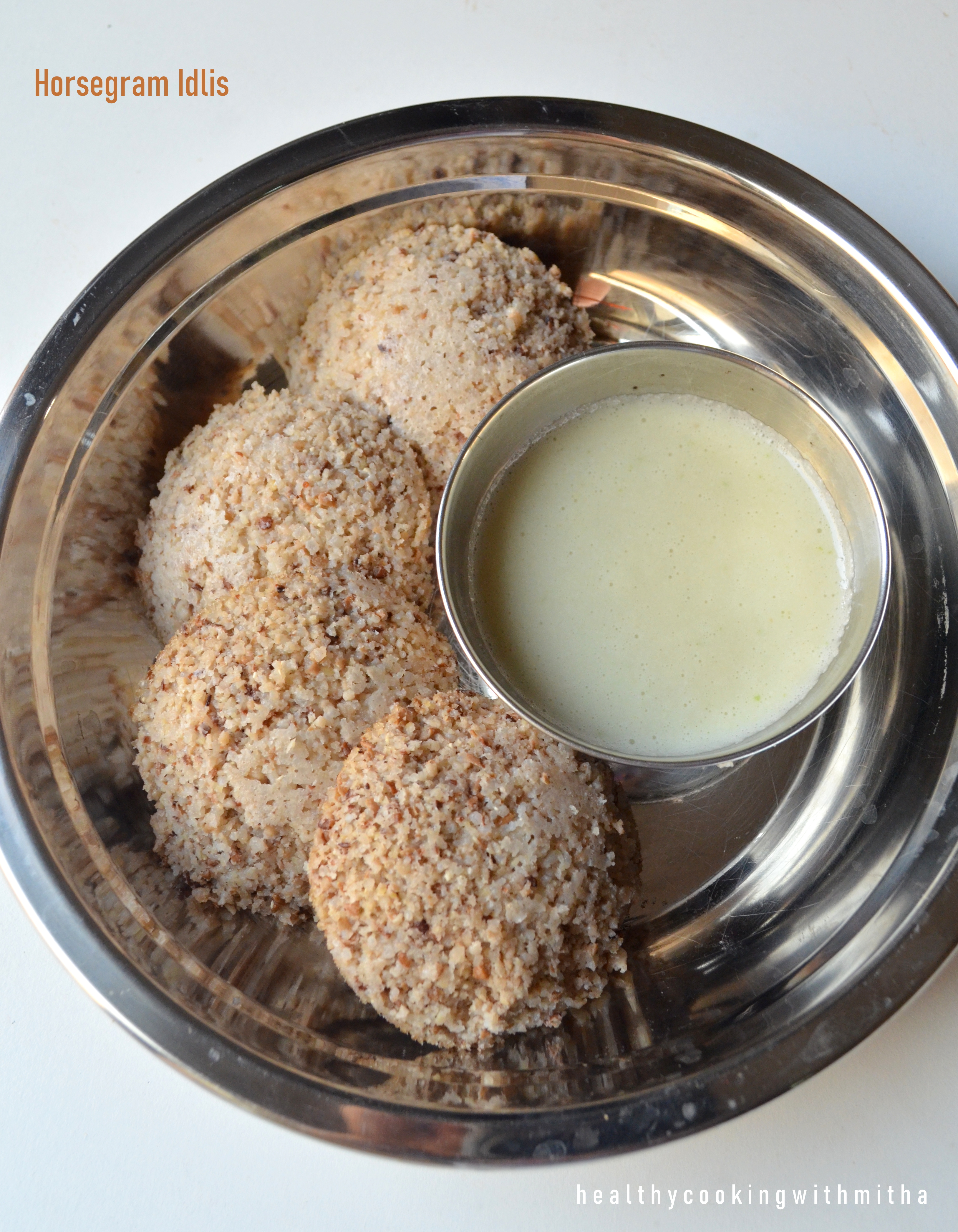
Horsegram Idlis | Kulitha idli

As a kid, I never liked many of the traditional Konkani recipes that my grandmother made and used to make a face at it. I loved bread for breakfast as compared to Idlis or dosas. My grandmother on the other hand used to make a face at bread and say “Is it even something eatable?” ๐Ÿ˜…

Now after about 15 years, I am in the same situation as hers. I don’t like store bought bread as much as I love Idlis and dosas. I love how filling, healthy, nutritious and delicious they are as compared to the bland bread (no offense Mr Bread ๐Ÿ˜).

Coming to filling, these Horsegram Idlis are so filling that we don’t even need lunch the day I make these Idlis. It is so tasty too. My grandmother used to pour the batter in banana leaves in a large steamer called pedavan in Konkani and cut into wedges like a cake. I make them as regular Idlis though.

I want to share some health benefits of horsegram too. It is very high in iron, calcium and protein too. In fact, it has the highest calcium content among pulses and is one of the richest protein source for Vegetarians like us. Also, it is low in fat and slow digestive starch makes it ideal for diabetic and obese people.

Hope you all try these Idlis which are a “horsepower” of energy ๐Ÿ˜… (which is why horsegram is fed to race horses) . Happy and healthy cooking!

RECIPE:

Ingredients: { Makes about 20 Idlis}

3/4 Cup Raw white rice

1/2 Cup Horsegram or Kulithu

1/2 Cup Urad dal

Salt to taste

Step by step recipe:

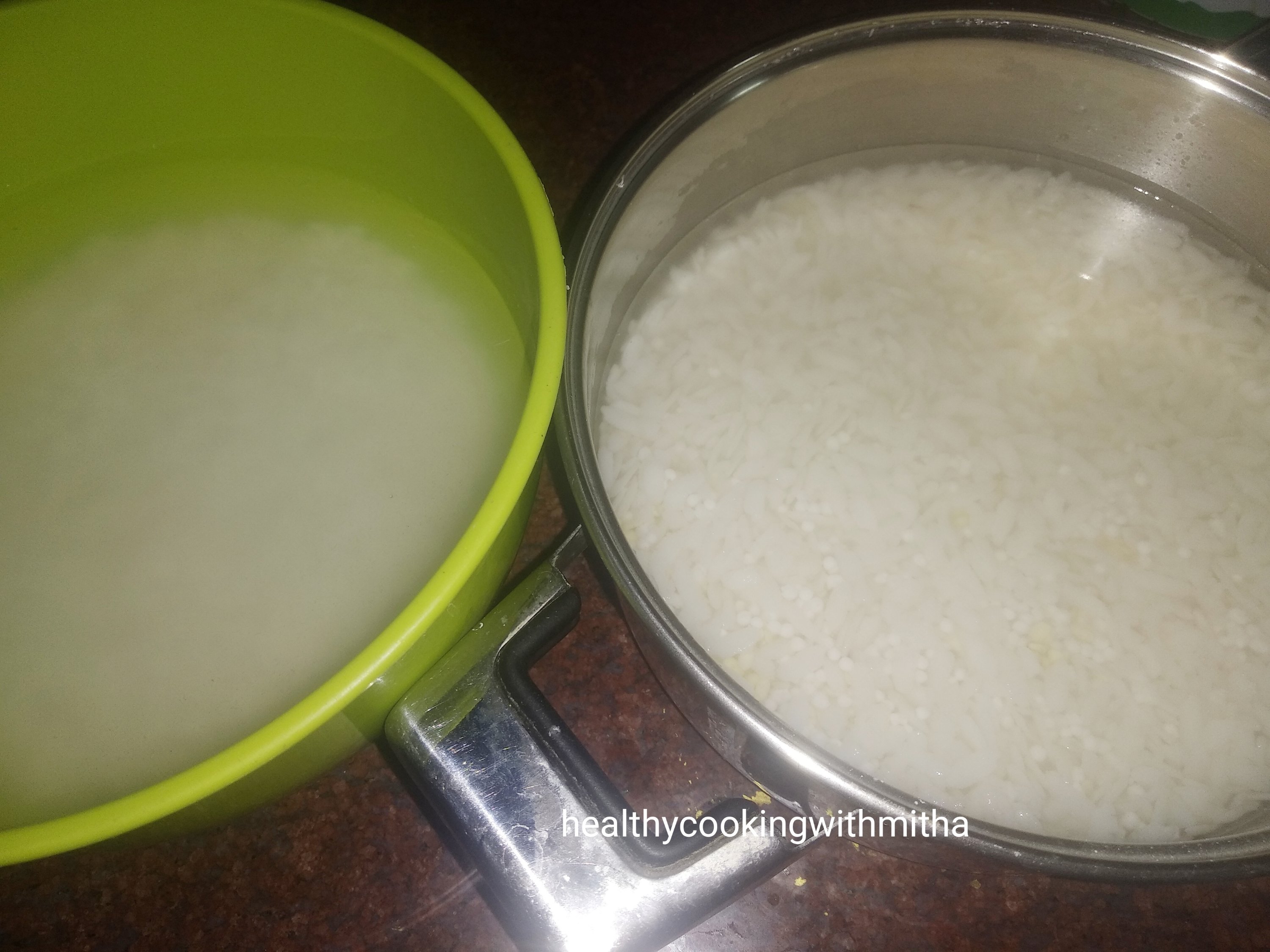
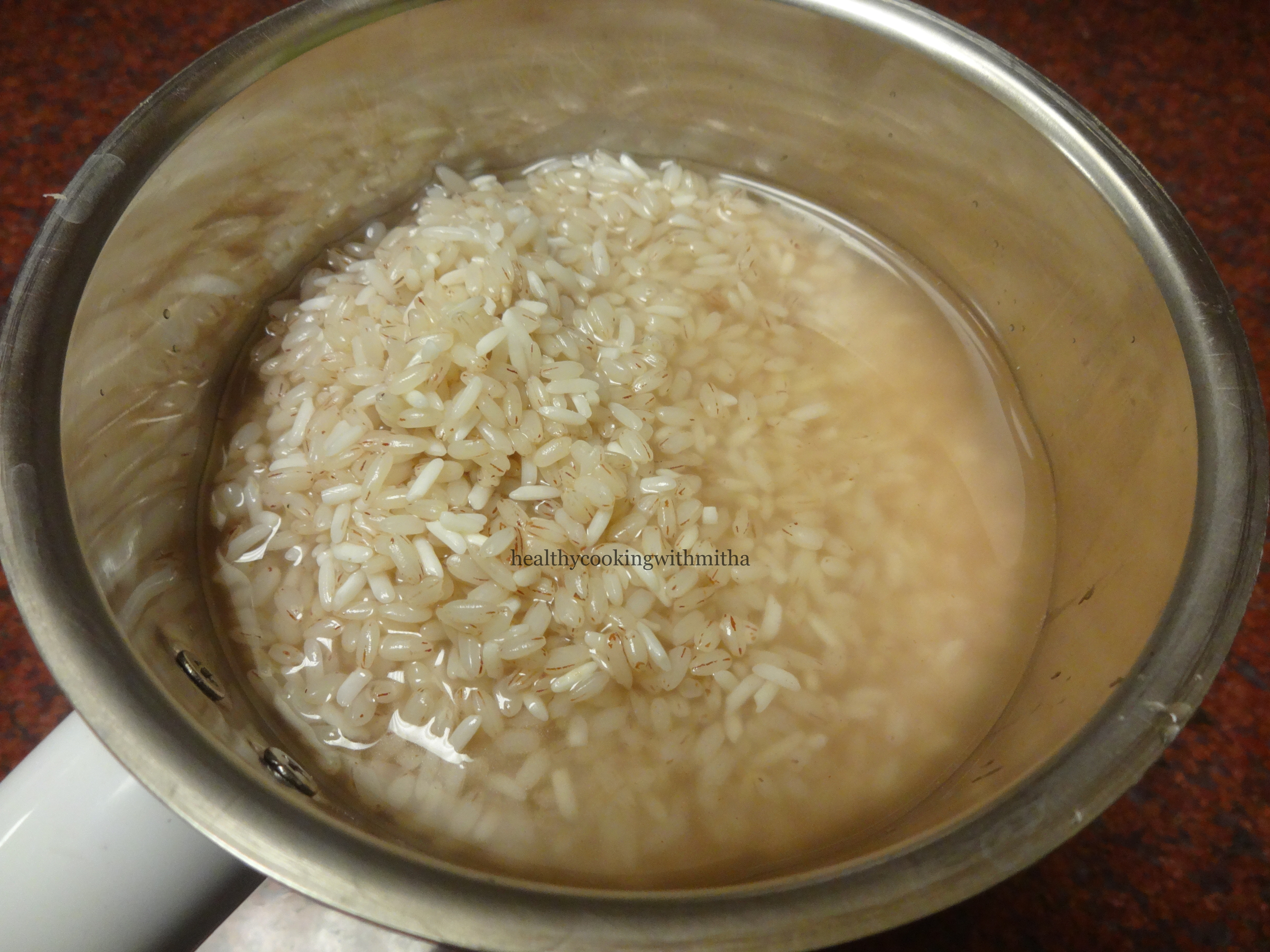
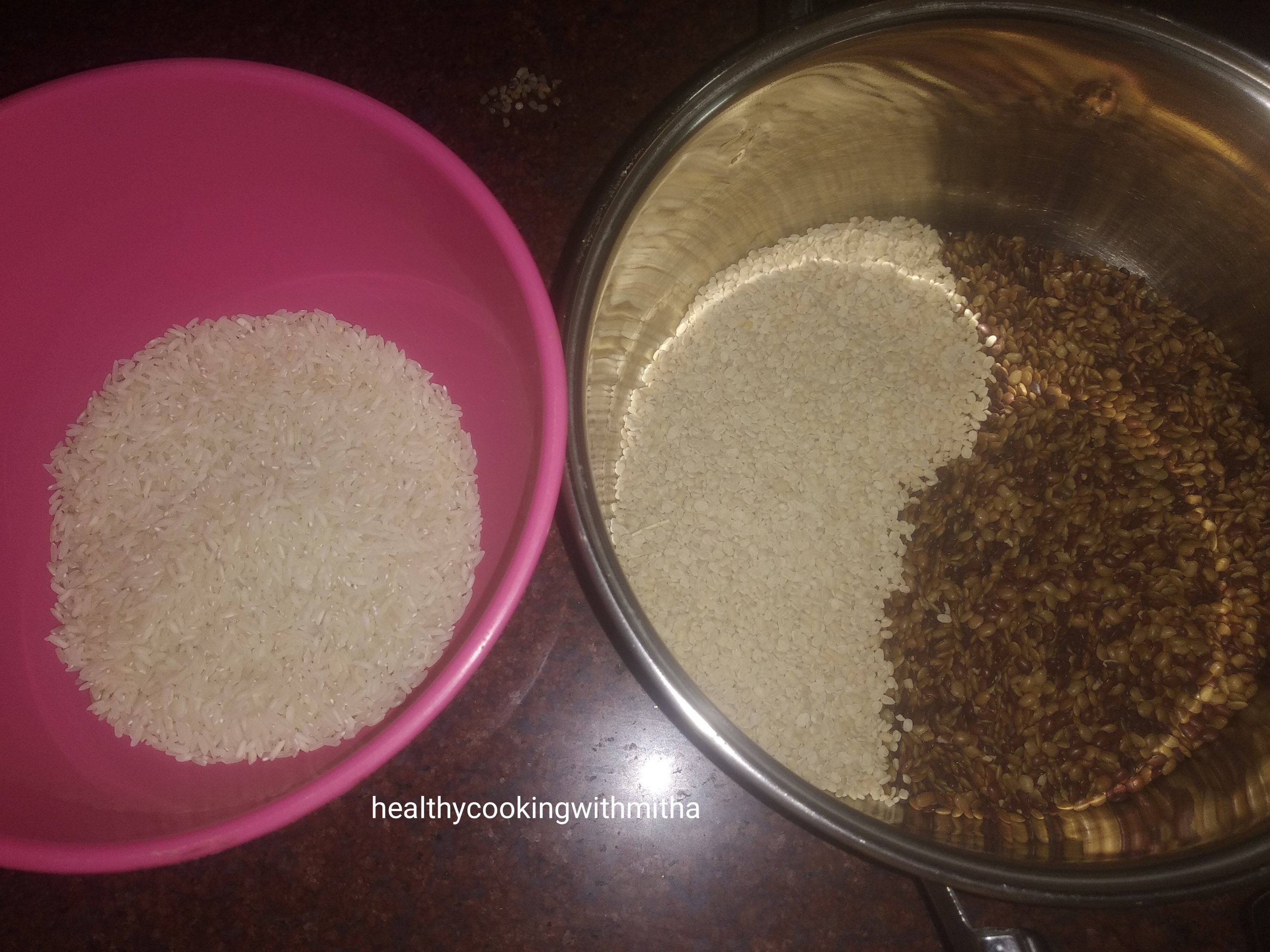
1. The first important step while making any dish with horsegram is to pick stones from it as even the good quality ones have stones in it. After that, wash well and soak horsegram along with Urad dal in a bowl. Soak rice in another vessel. Soaking time is 4 to 6 hours.

Check the number of stones below that I picked from 1/2 Cup Horsegram (between both the vessels). Don’t know if it is clear but kept it just to get you all an idea.
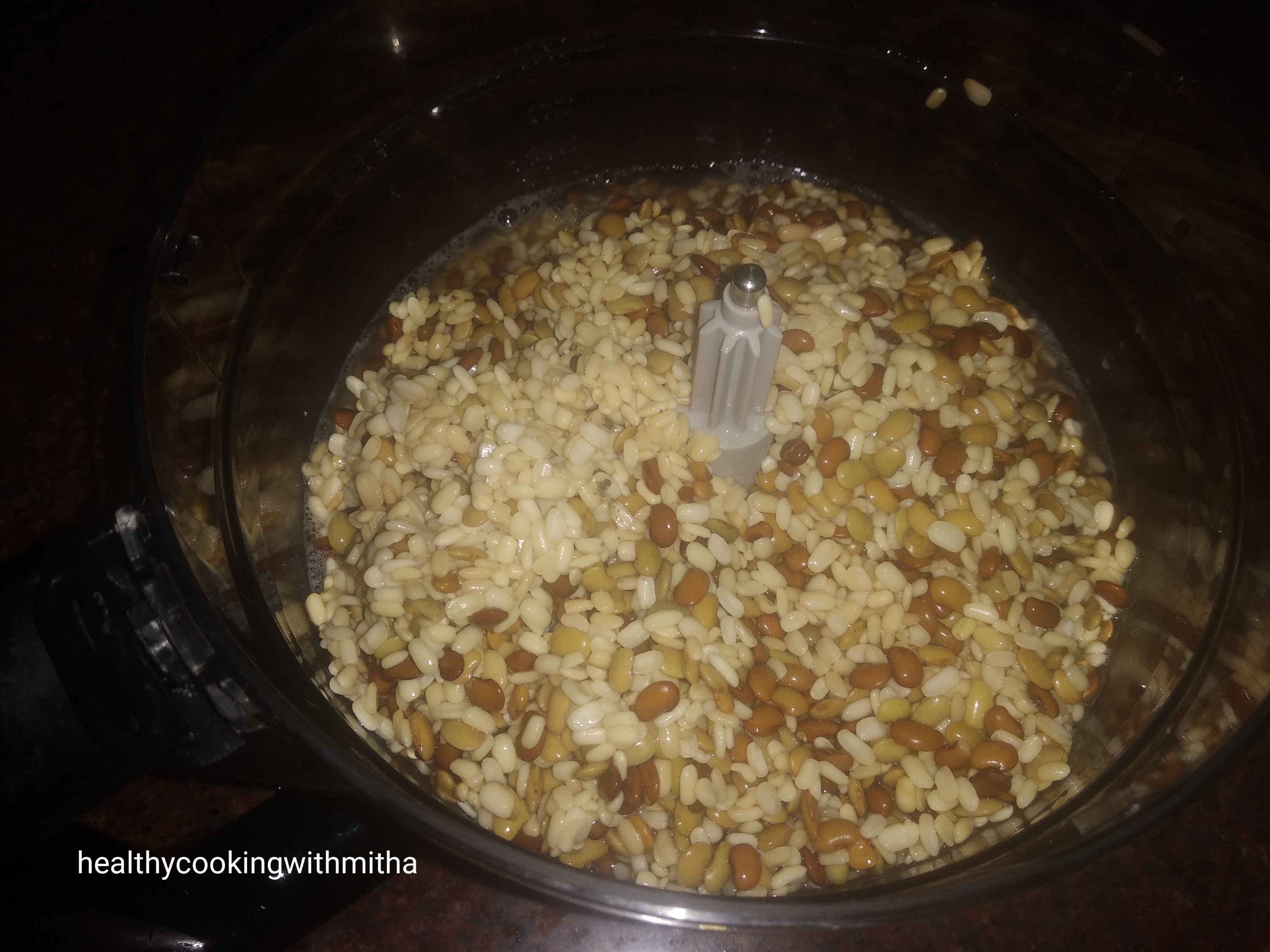
2. Now take the soaked Urad dal and horsegram to a mixer.
3. Grind to a smooth paste (it won’t be perfectly smooth due to horsegram but it should not be very coarse too) and pour into a large steel vessel. Also take the soaked rice to the mixer with little water.
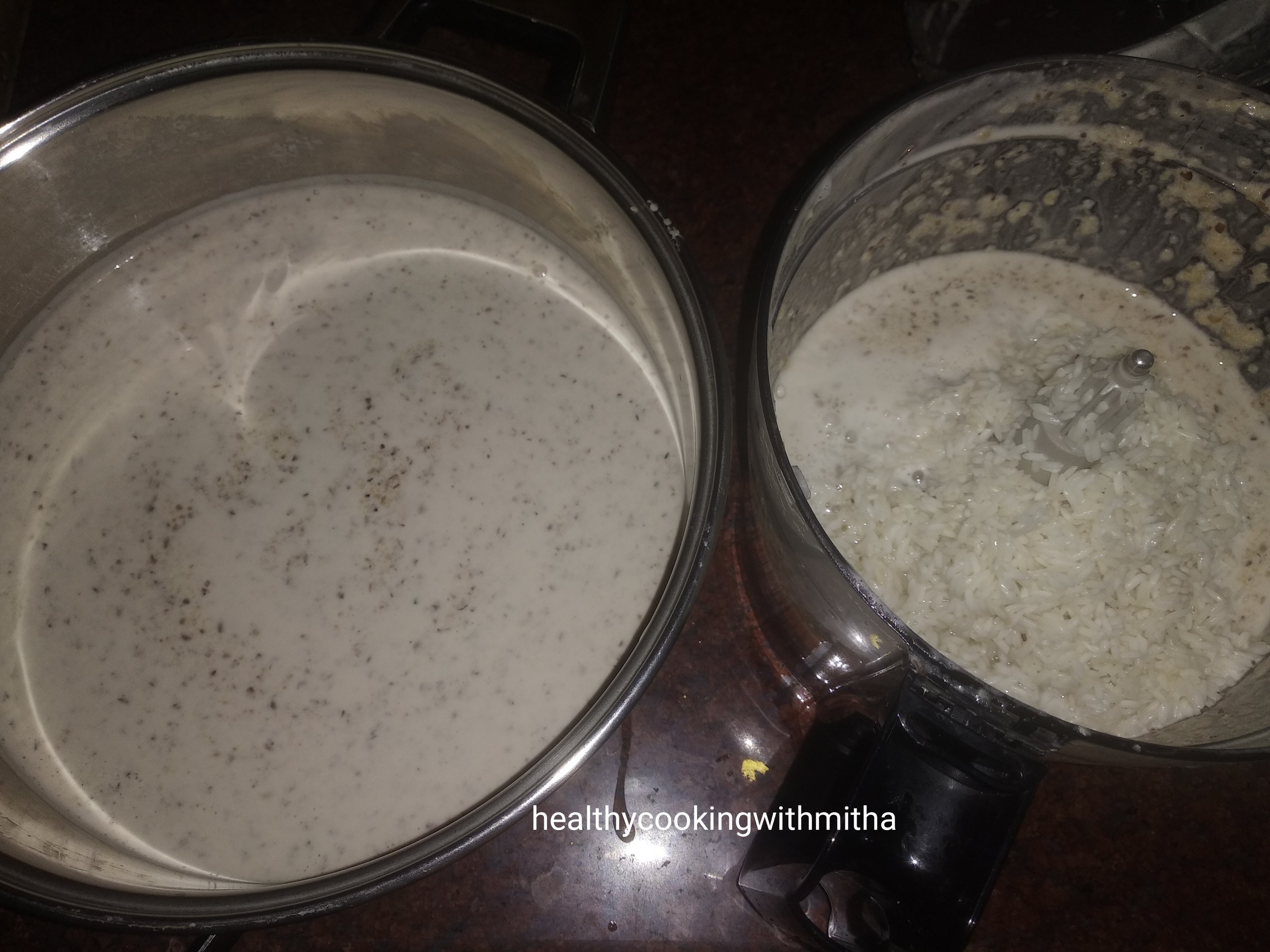
4. Grind the rice to a slightly coarse paste and add to the horsegram-urad batter. Add salt and mix well.

5. You can make Idlis instantly with this batter. Add to idli plates and steam for 20 mins till done.
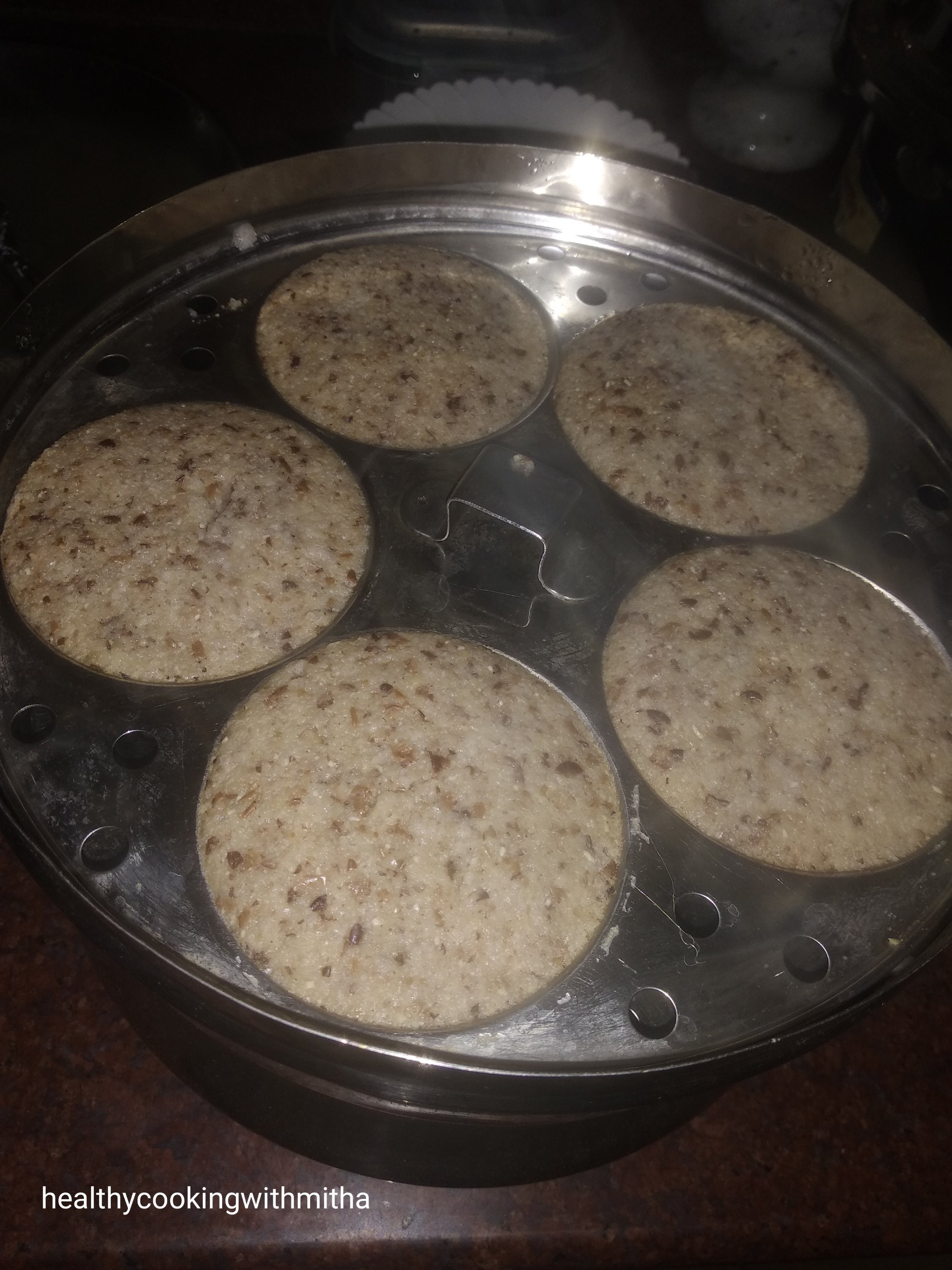
6. Or you can also ferment the batter overnight or for 6 to 8 hours and then steam for 20 mins. I prefer these Idlis more as they turn out softer.

Serve with a chutney of your choice. I have served with Hing Chutney.

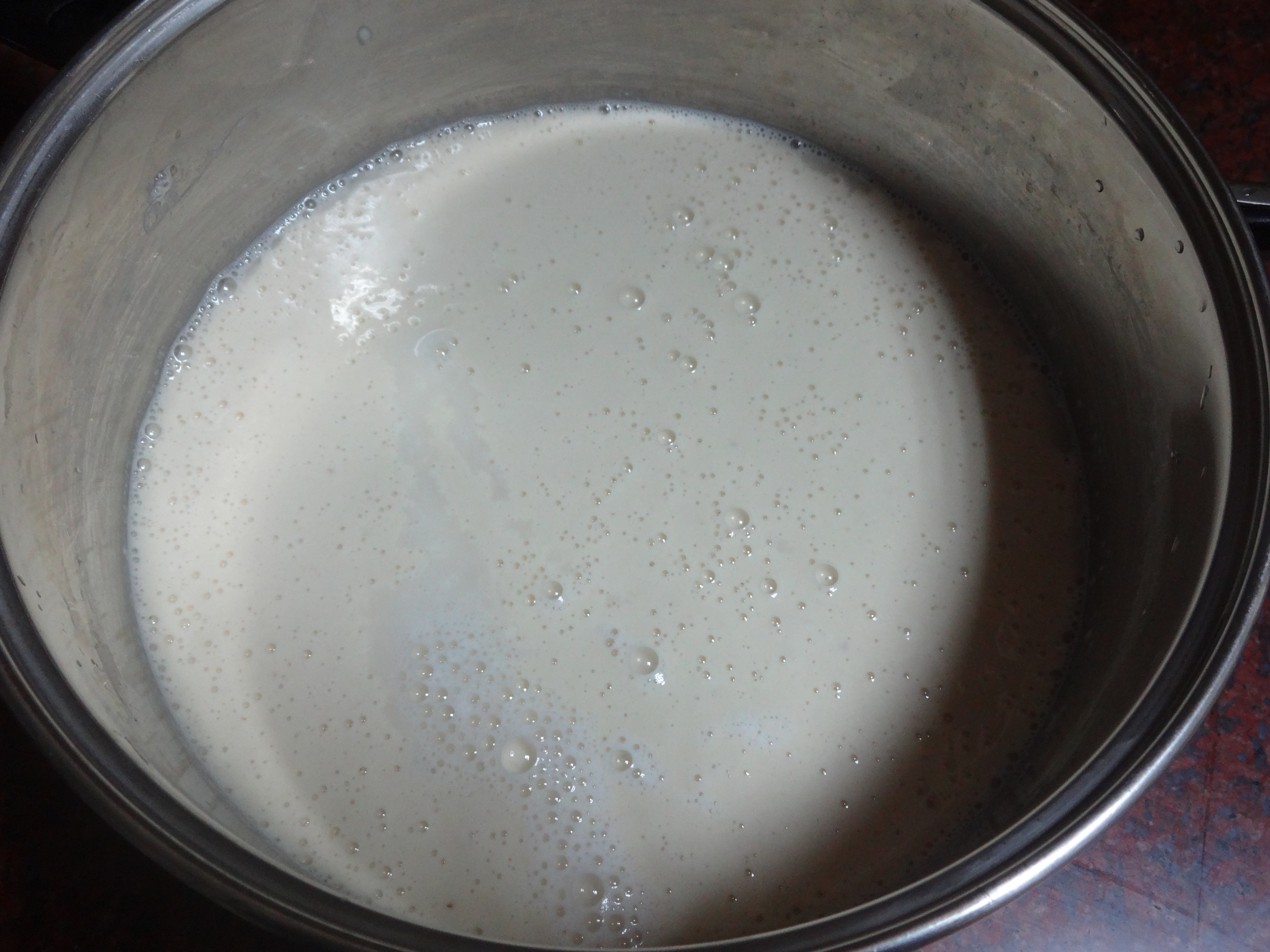
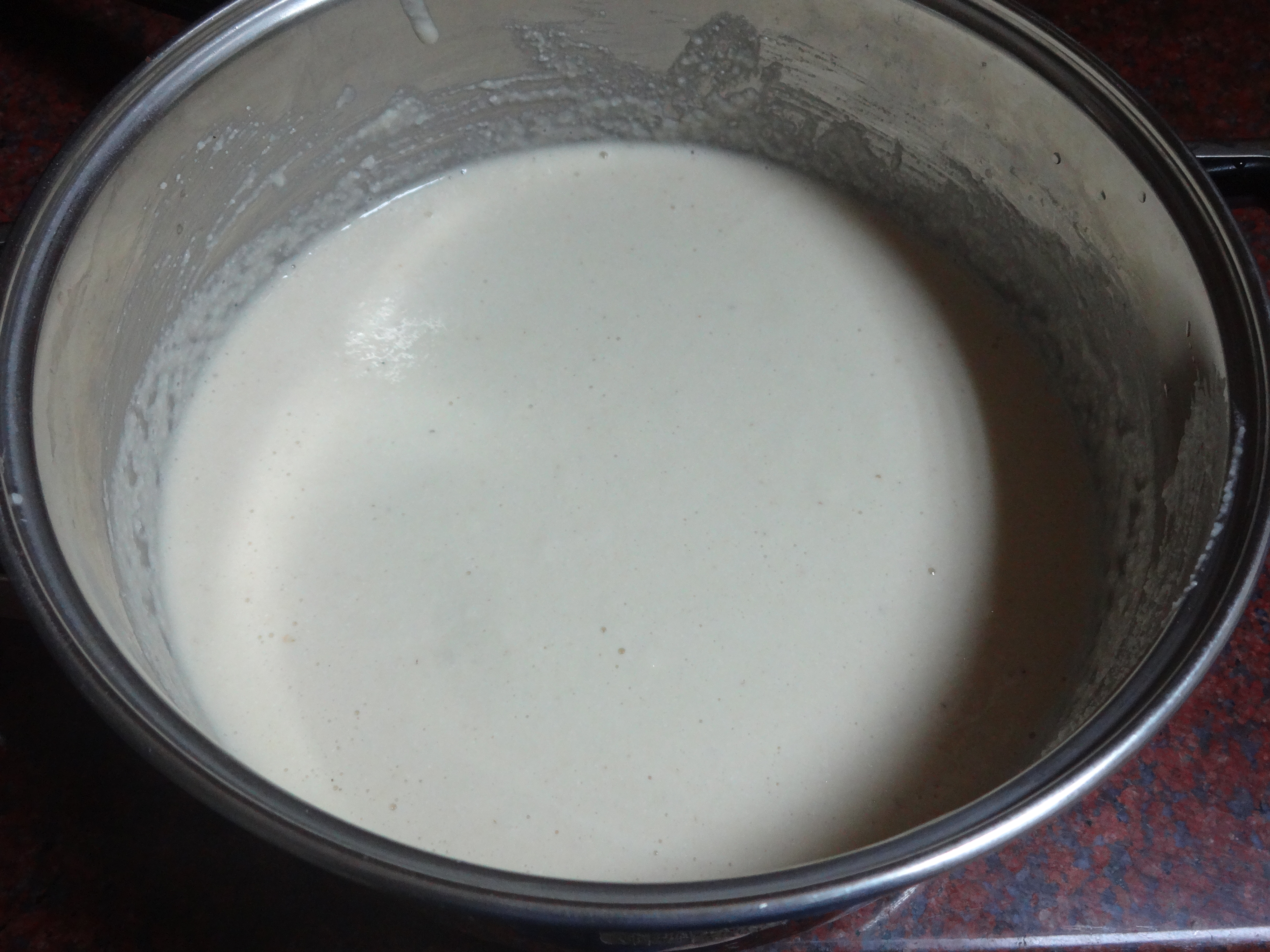
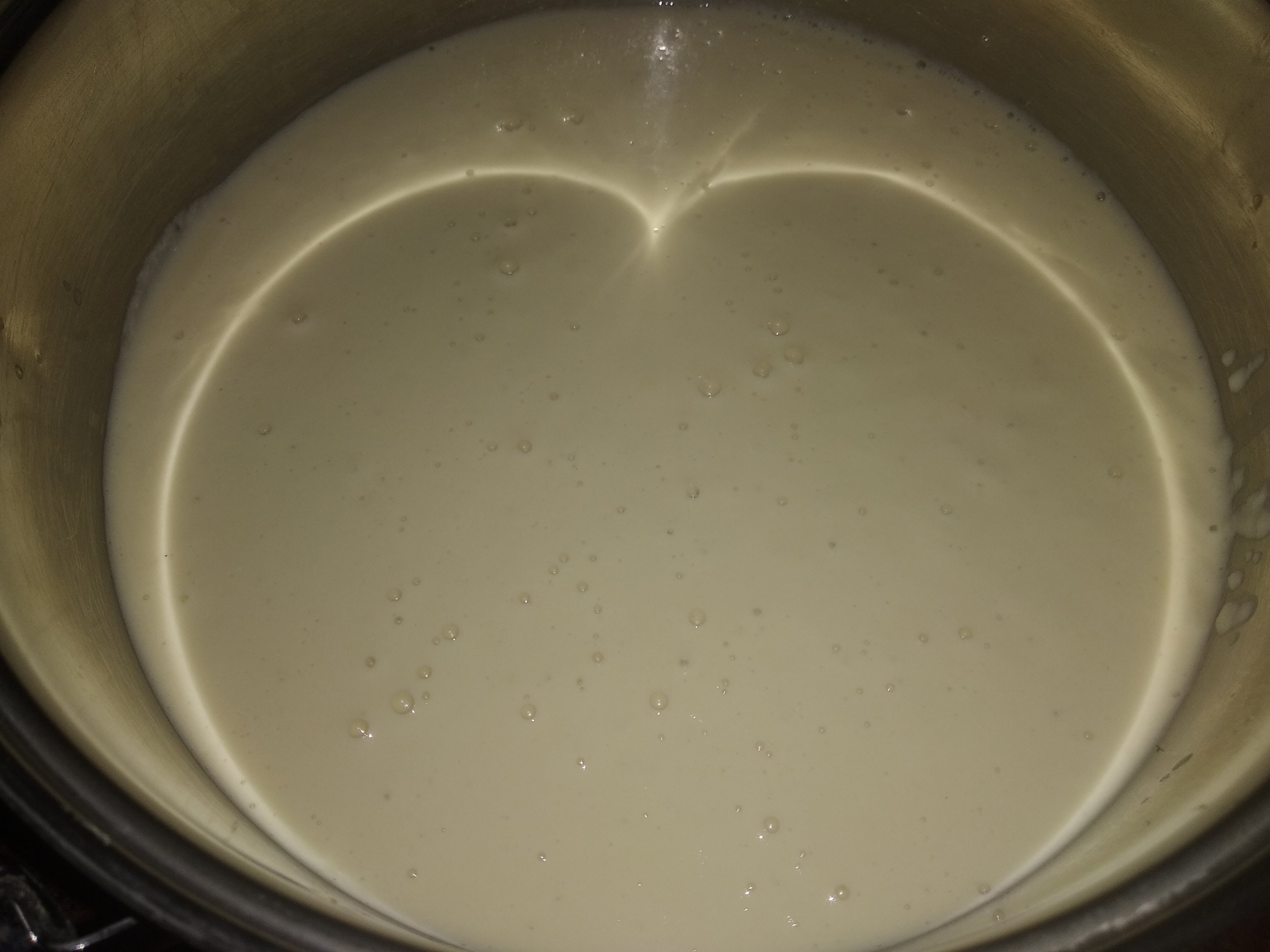
Horsegram Idlis after the batter ferments overnight.

Note:

* These Idlis are usually made without fermenting as they turn soft even without fermentation process but I find fermentation gives even softer Idlis. So I keep the batter to ferment overnight.

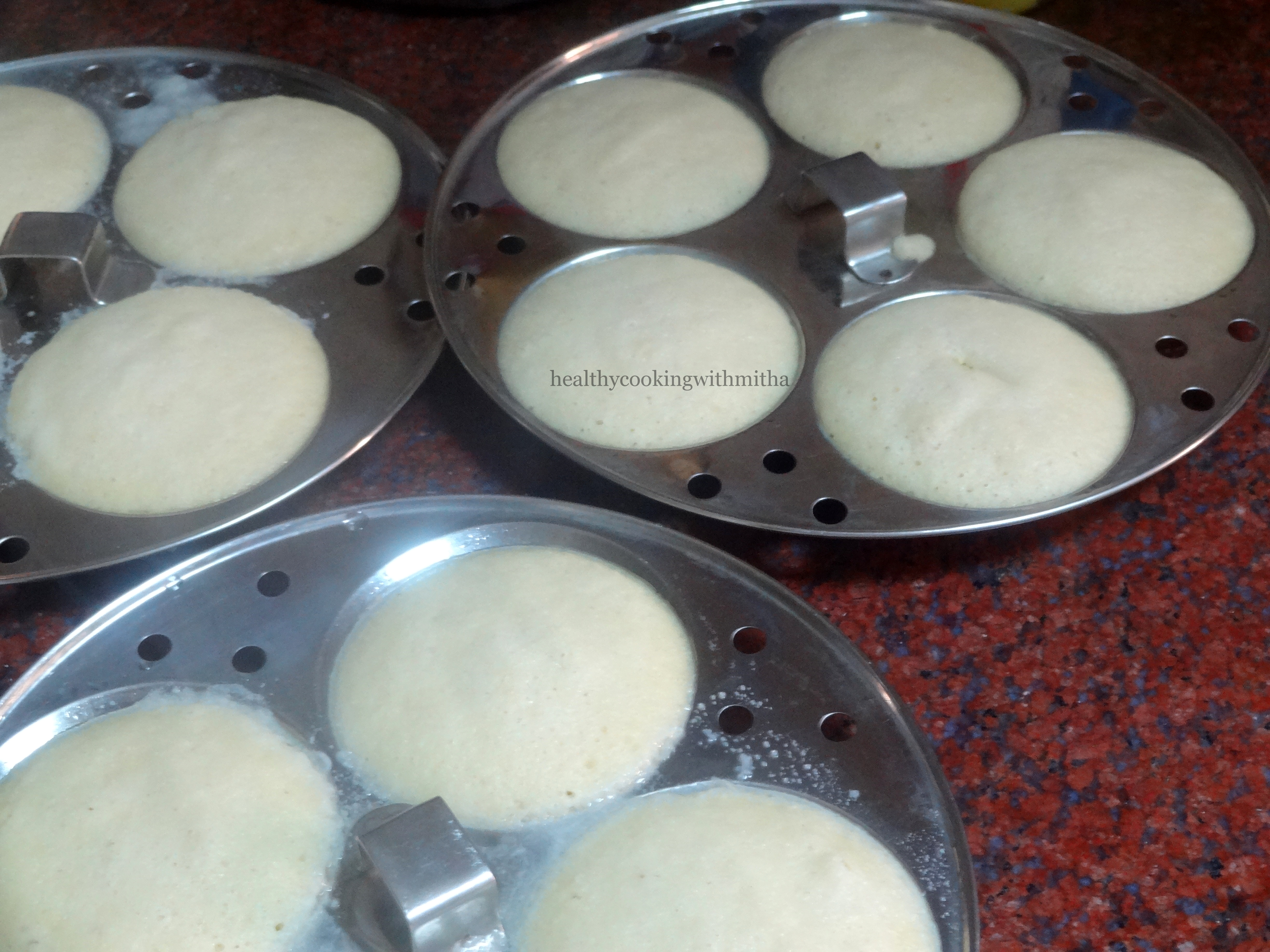
* These Idlis are the ones that I made as soon as I ground the batter. They did turn out very tasty but not as soft as after the batter ferments.

Instant Horsegram Idlis

* They are traditionally served with hinga udhak (Asafoetida water with salt, chopped green chillies and coconut oil) but we love this Hing Chutney with these Idlis. I just grind coconut, green chillies, salt with hing powder and little water to a smooth paste.

Easy Vegetable Biriyani | Layered style

Before this Covid situation, our weekends would be Veg Biriyani from the nearby restaurant and I used to wait for it after bored of my own cooking. But since March, we have stopped restaurant foods completely and I started making Biriyani at home.

Though the initial few times it did not come out so well, now my husband says it comes out even better than restaurant ones. So I thought I must share this recipe with my readers as I know most of you must be cooking only at home and missing Biriyani from restaurants.

I feel homemade ones taste better mainly because of the pure ingredients that we use such as ghee as compared to the refined oil used in restaurants. Now I can’t imagine eating that and feel satisfied when my family loves the Biriyani I make. Don’t think we will ever go back to eating out. One of the many positives that Corona has taught us, I must say.

Hope you all try for your family and love it too. Happy and healthy cooking. Stay safe!

RECIPE:

Ingredients: {Serves 3}

For the rice layer:

1 1/2 Cups raw Basmati or any long grain rice, soaked for 30 mins

Salt to taste

2 Cardamom pods

2 Cloves

1 Bay leaf

For the gravy layer:

2 Tbsp Ghee

1 Tbsp Oil

1 tsp Cumin seeds or Jeera

1 tsp Fennel seeds

1 tsp Peppercorns

2 Cardamom pods

2 Cloves

1 Bay leaf

6 to 8 Cashews

1 large Onion, thinly sliced

2 Cups Mixed Vegetables (carrot, potato, beans, green peas) { I used frozen peas}

1/2 Cup Yogurt or thick Curd

2 tsp Red chilli powder or to taste

2 tsp Garam masala powder

1/2 tsp Haldi powder

Salt to taste

Other ingredients:

4 Tbsp finely chopped Mint or Pudina leaves

4 Tbsp finely chopped Coriander leaves

1/4 Cup Milk

A pinch of Saffron strands

Step by step recipe:

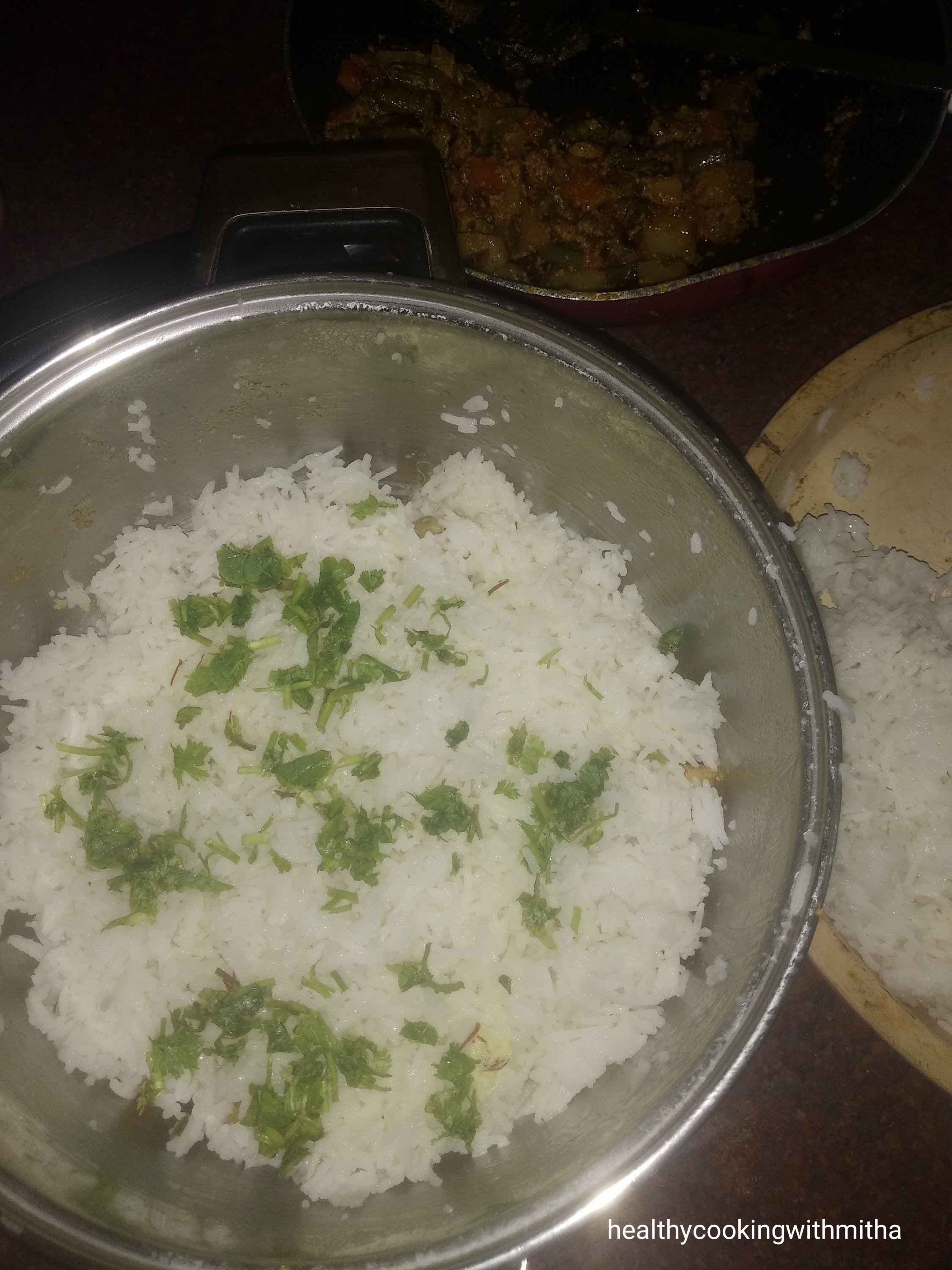
1. Boil water in a large pan. Add soaked and drained Basmati rice along with salt, cardamom, cloves and bay leaf. Cook till the rice is almost done. Keep aside to cool.

2. Heat ghee plus oil and add jeera, fennel seeds, peppercorns, cardamom pods, cloves, bay leaf and cashews. Fry till cashews turn brown. Add thinly sliced onions (with a pinch of salt) and fry till they start turning brown.

3. Now add the mixed vegetables and fry well for couple of minutes.

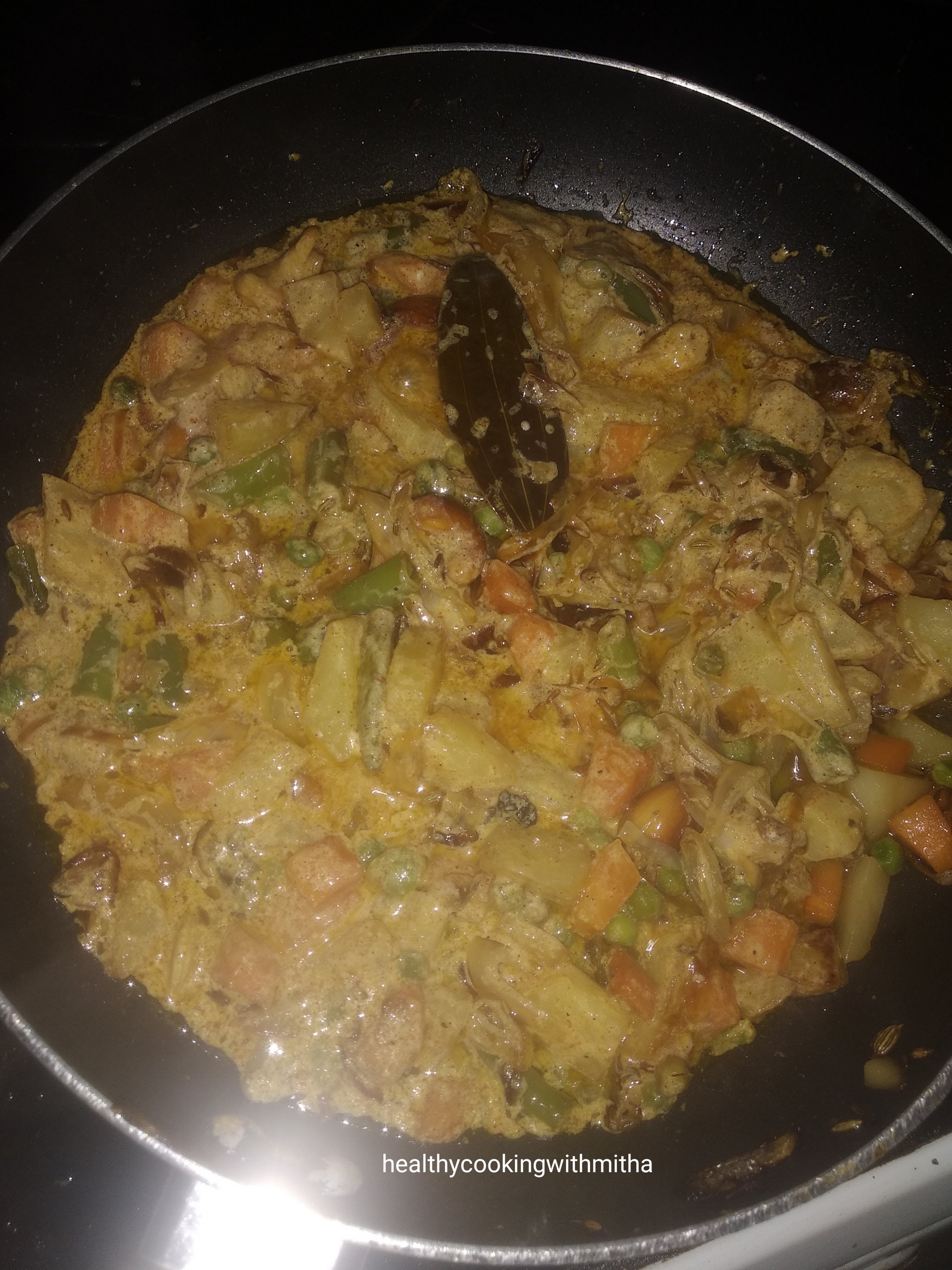
4. Add little water and cook the vegetables till almost done. Now mix Yogurt with turmeric powder, red chilli powder and garam masala powder till there are no lumps and it turns a smooth paste. Add to the cooked vegetables while mixing well on low flame.

5. Cook on low flame for about 5 mins. Remove from flame. Keep aside.

6. Now heat the saffron stands in milk for little while. I microwave on high for 1 minute till the colour of milk changes.

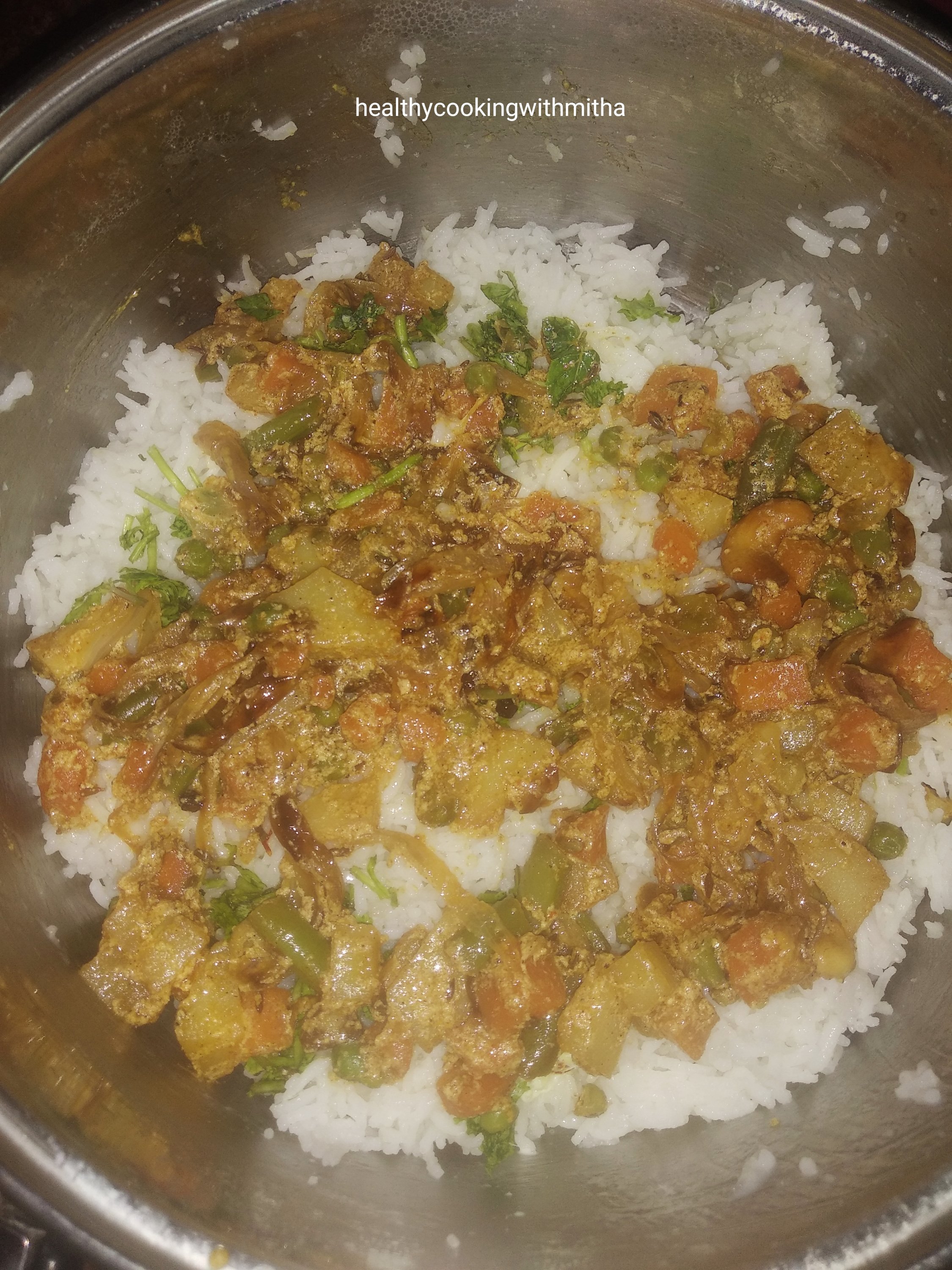
7. Now start layering. Take a large pan and first add a layer of the curry. I use the same pan in which I cooked the rice.

8. Now add a layer of the cooked rice (half of it) evenly over it. Add half of the saffron milk and half of the finely chopped Mint – coriander leaves evenly over it.

9. Now layer the rest of the curry over it.

10. And finally the rest of the rice along with the saffron milk and mint coriander leaves evenly over it.

11. Now take another large pan with little water in it. Place this layered Biriyani pan in it and cook covered well for atleast 20 mins in the lowest flame possible.

12. Remove and serve with raita.

Notes:

* Don’t cook the rice fully in the first step or it will get mashed when steaming after layering.

* This style of Biriyani may seem difficult than one pot ones but trust me, it tastes very delicious and is easier than other layered Biriyanis.

* The spice level is to taste. I don’t make the Biriyani spicy as my kids eat it as well. You can add more red chilli powder in the Yogurt if desired.

* Make the gravy thick and dry, not watery or the Biriyani won’t come out well.

* For raita, I add finely chopped tomatoes, onions, cucumbers, coriander leaves to yogurt with little water, salt and chaat masala. Mix well.

Sabudana Dosa | Sago and Rice Dosa

I know I am posting a lot of dosa recipes which is evident from my Dosa corner page but it is the most requested from my readers too. I guess making different yet tasty breakfast everyday is a challenge which everyone faces (just like me ๐Ÿ˜…).

I have been making this Sabudana dosa which I found in Asha Satish Philar mai’s cookbook since many years now. It turns so soft and fluffy. The texture resembles set dosas available in restaurants. My kids love it with ginger chutney and butter.

So here is yet another dosa (hope you all are not bored ๐Ÿ˜‚). Happy and healthy cooking!

I thank Asha Satish mai whole heartedly for this amazing recipe of hers. Thank you mai. ๐Ÿ˜๐Ÿ™

RECIPE: { Adapted from “The Konkani Saraswat Cookbook” by Mrs Asha Satish Philar }

Ingredients: { Makes 18 to 20 dosas}

3 Cups white Rice

1 Cup Sabudana/ Sago

1 Cup Urad dal

1 Cup Poha / flattened rice

Salt to taste

Ghee or oil to cook the dosa

Step by step recipe:

1. Wash well and soak Urad dal, sago and poha together in a large bowl with enough water. Wash well and soak rice in another bowl. Soak for atleast 4 to 5 hours.

2. Grind the urad-sago-poha mixture to a smooth paste. Remove in a bowl. Grind rice with little water to a smooth paste.

3. Mix both the batters and keep in a large bowl. I divided the batter into two bowls to avoid spills after fermentation.

4. Ferment the batter overnight or for atleast 8 hours.

5. Heat the dosa pan and add a ladle of the dosa. Make a thick dosa. Cover and cook on medium flame till the surface cooks. Add ghee or oil.

6. Remove from flame and repeat the same with the rest of the batter. Serve with a chutney of your choice.

Notes:

* Leftover batter can be refrigerated and used the next day.

* This dosa is very soft and needs to be cooked on medium flame on one side. No need to flip the dosa.

* Both thick or thin Poha can be used. Does not make much difference.

* I have used the small size sago seeds. I am sure it will work well with the big sago seeds too. Just that it might need extra soaking time.

Paper dosa | Restaurant style crispy dosa

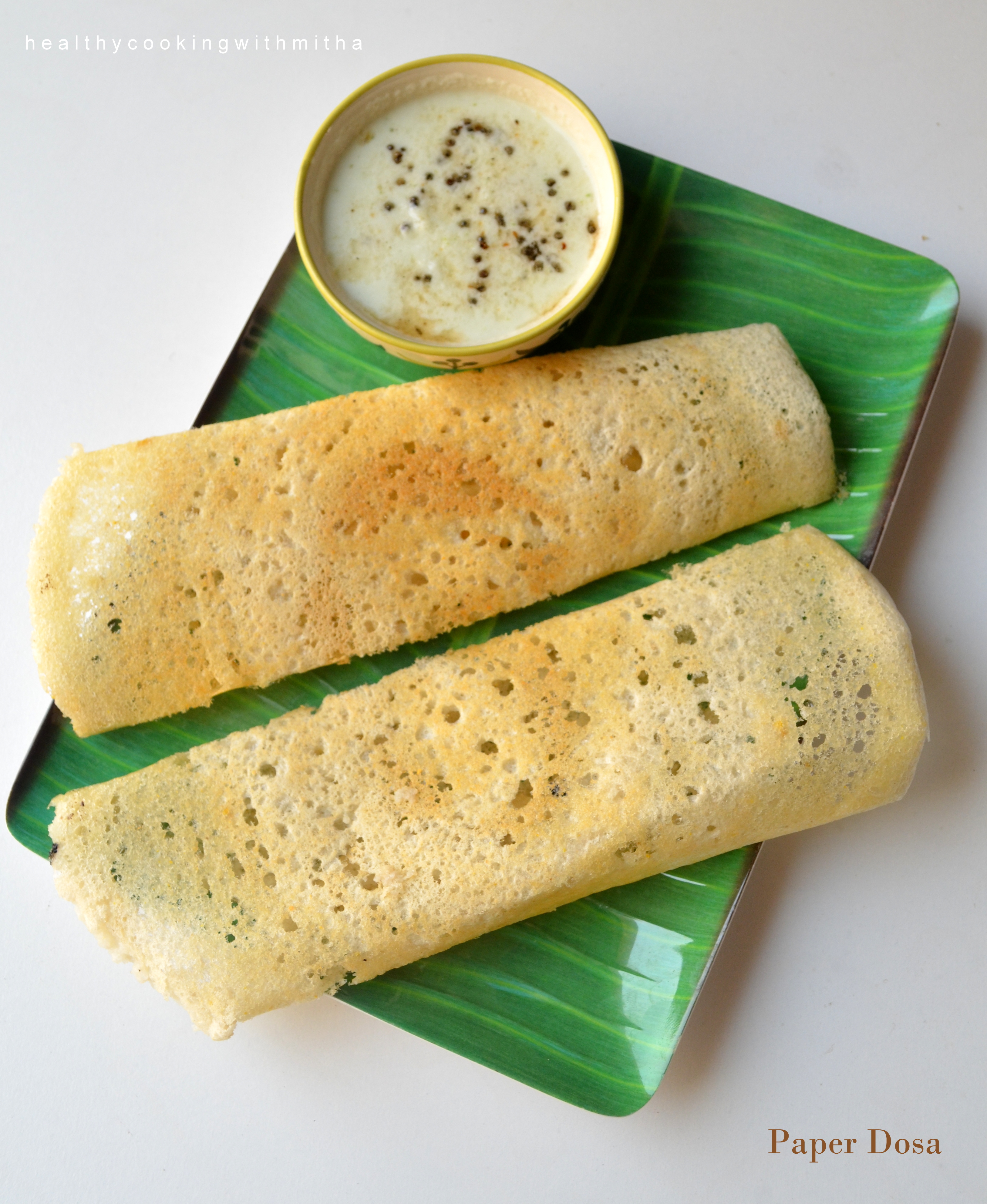
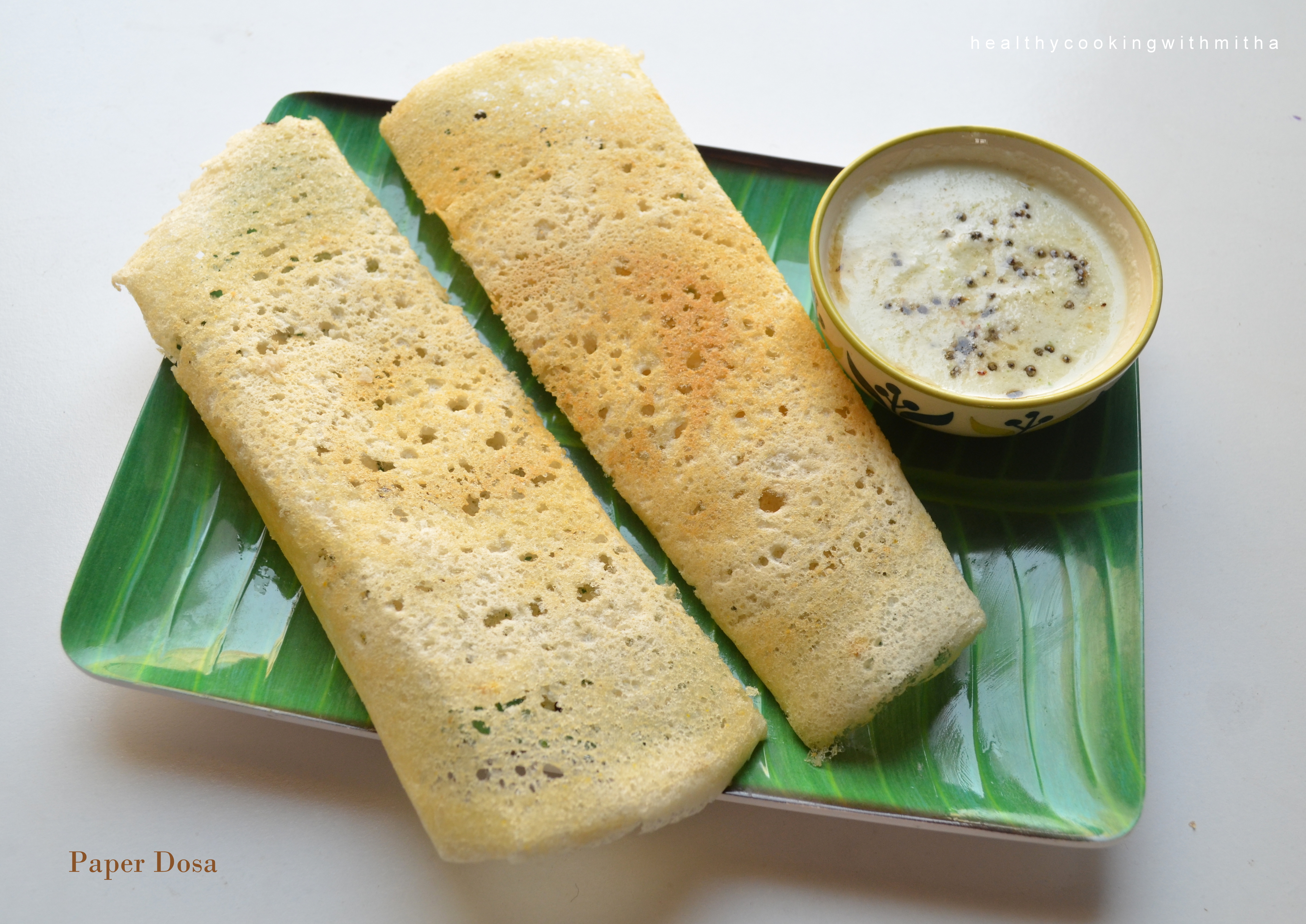
I keep making different dosa types for my kids as they love dosas. For soft dosas, my go to recipe is this Cotton dosa but for restaurant style crispy dosas, this Paper dosa from Jayashree Prabhu mai‘s cookbook “99 Delightful Dosas” is simply the best. The dosas turn out super crispy and very tasty.

My daughter loves ghee roast dosa from restaurants a lot and the least I can do is recreate it at home now since we have stopped restaurant foods since many months (due to the covid situation). She enjoys it a lot and I feel how much even the kids have adapted well to this “new normal” of eating only homemade foods. Hats off to all kids!

But one thing is sure. All this completely cutting out fast food and restaurant foods must have given the much necessary detox to our system and we will come out healthier for sure.

Hope you all will try and love this paper dosa too. Happy and healthy cooking!

RECIPE: {Adapted from “99 Delightful Dosas cook book by Jayashree Prabhu}

Ingredients: (About 20 dosas)

2 Cups Rice

1 Cup Urad dal

4 tsp Methi seeds

1 Cup Rice flour

4 Tbsp Besan or chickpea flour

Salt to taste

Oil or ghee to cook the dosa

Step by step recipe:

1. Wash well and soak rice in a bowl and soak urad dal along with methi in another bowl for atleast 4 hours.

2. Grind the Urad methi mixture to a smooth paste using water as needed. Pour into a large steel vessel. Now take the soaked rice in the mixer. Add rice flour, besan and salt.

3. Grind the rice mixture using little water to a smooth paste too. Add it to the Urad batter and mix well with hands.

4. Ferment overnight or for atleast 8 to 10 hours.

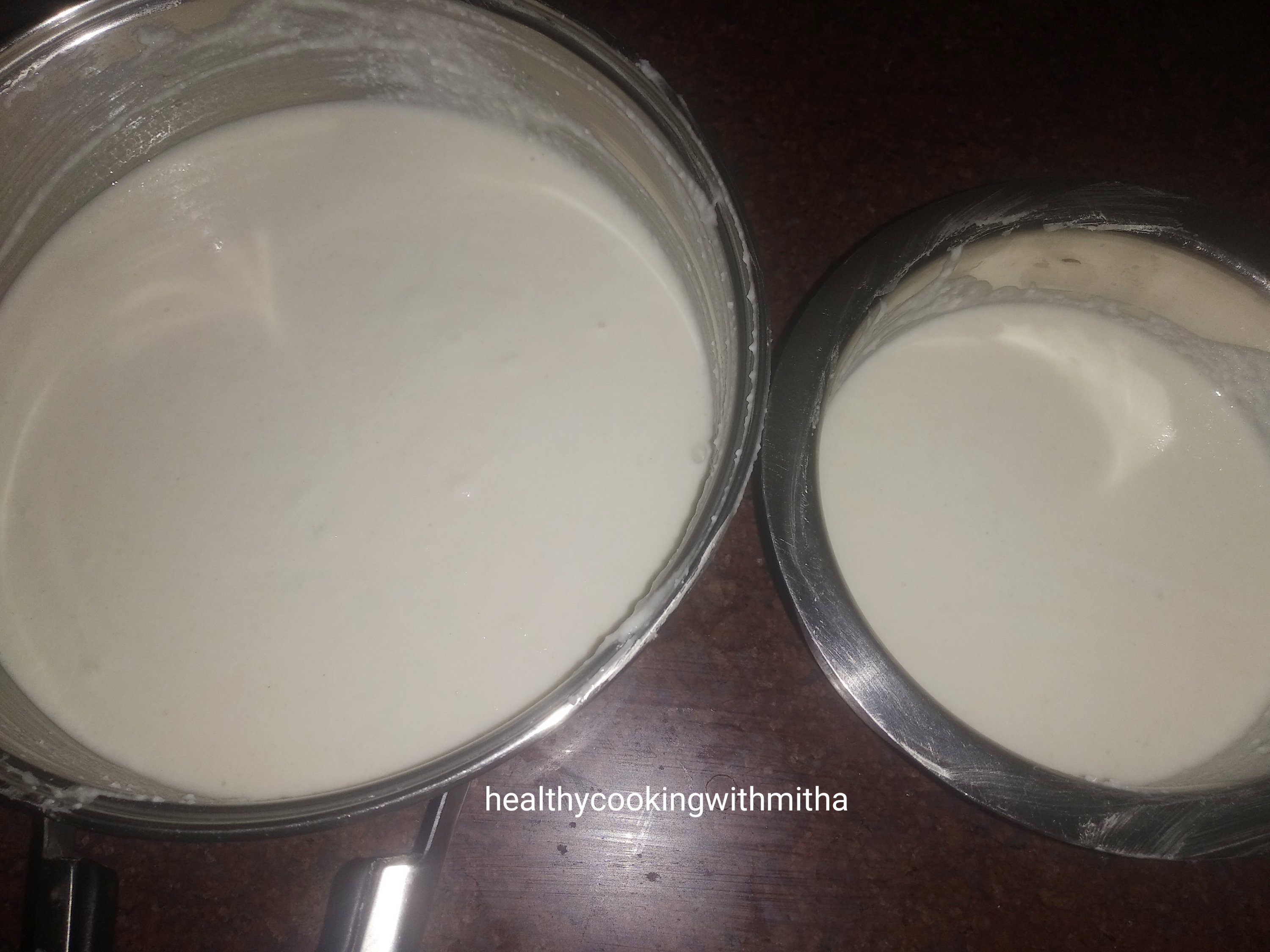
Love how well the batter ferments!

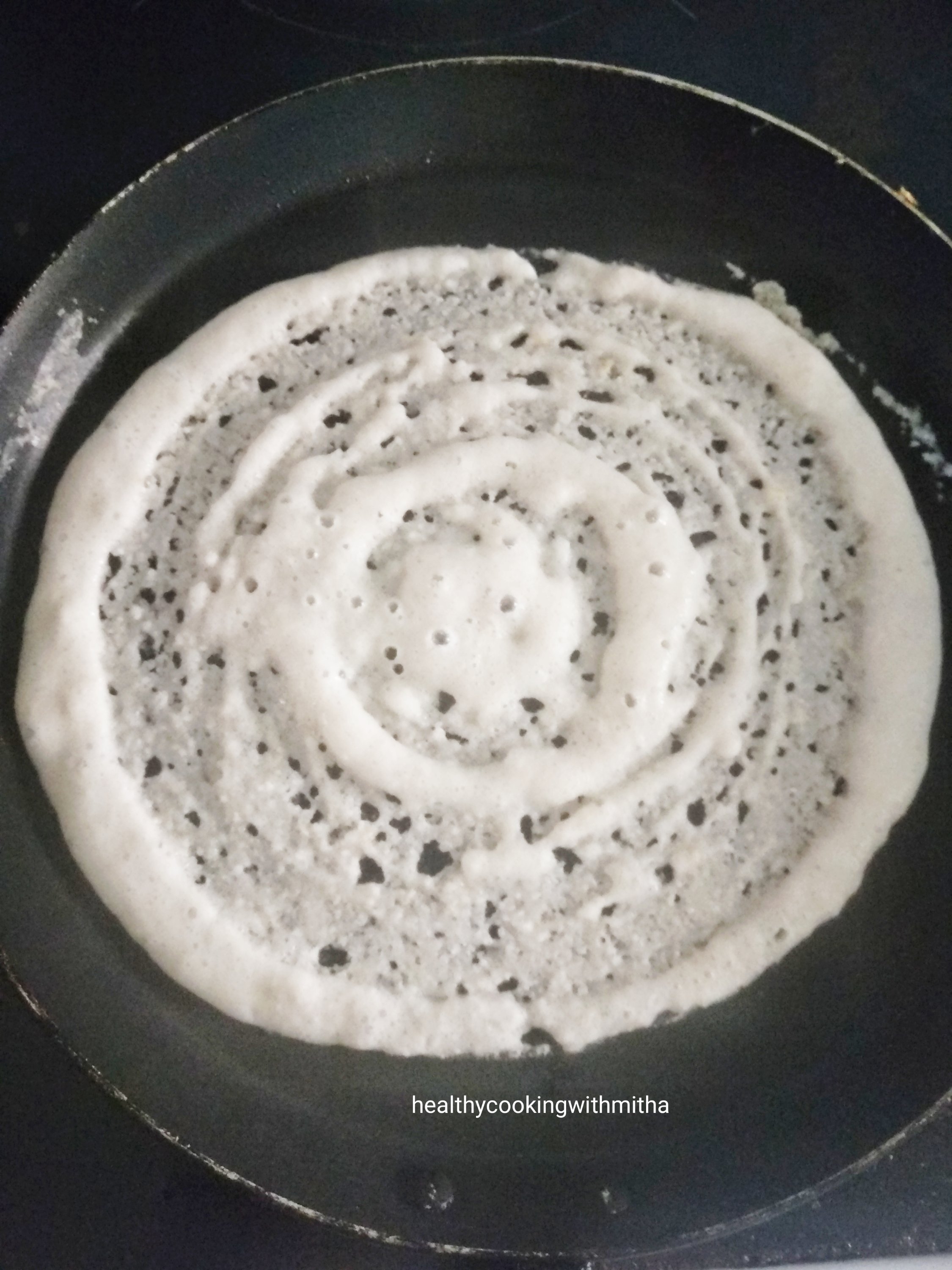
5. Heat a flat dosa pan and pour a ladle of batter over it. Shape using the back of the ladle into concentric circles to a thin, large dosa.

6. Add ghee and cook till the dosa turns crisp.

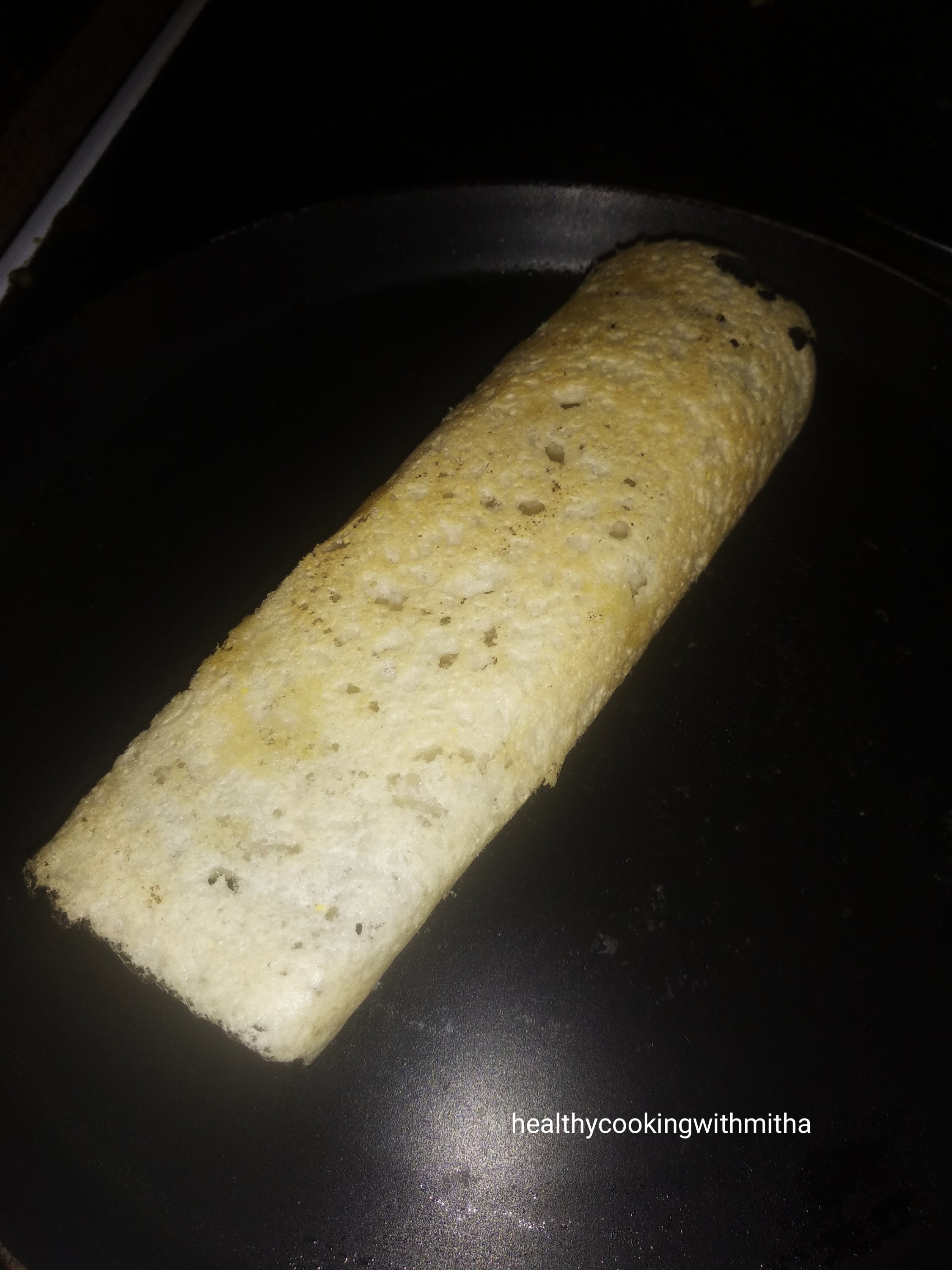
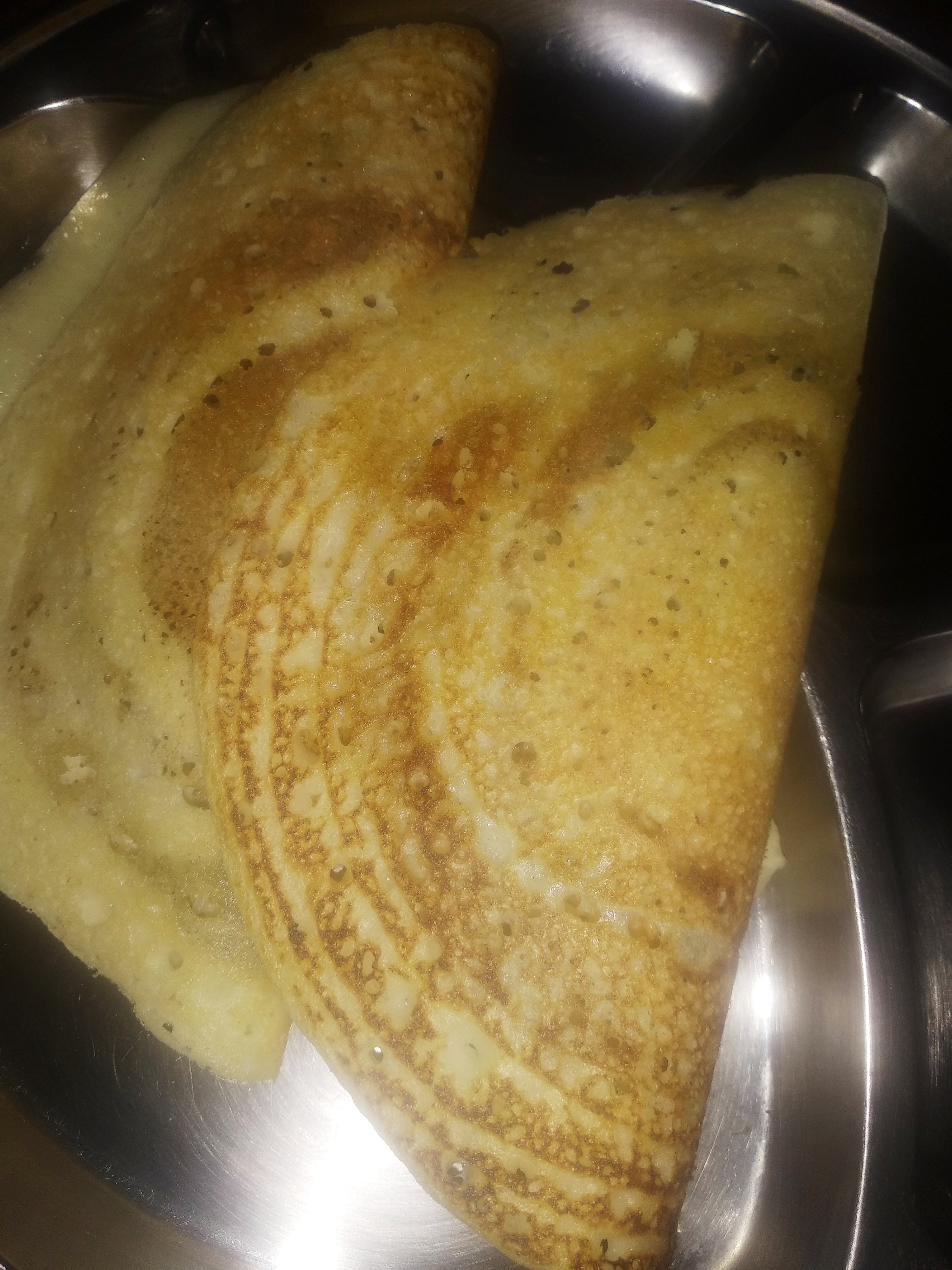
7. Fold and serve hot with a chutney of your choice. Repeat the same with the rest of the batter.

Notes:

* The addition of rice flour gives a very crisp texture to the dosa while besan or chickpea flour is just for colour. So that can be skipped if you don’t have.

* For making perfect dosas, first heat the dosa pan to high and when it heats well, reduce the flame and spread the dosas as thin as you can. Then cook the dosas again on high flame till done. For very crispy dosas, just cook a little while longer and add a extra dash of oil or ghee.

* Leftover dosa batter can be refrigerated but the texture of the dosa did change the next day. It came out soft like regular dosas and not as crispy as the first day. We loved it both ways though.

* For this way of hing chutney that I make, just grind coconut along with ginger and green chillies with salt and little water to a smooth paste. Now season mustard seeds and hing (I use powder) in coconut oil and pour over this ground paste. Mix well. Done!

Pejje Polo | Cumin flavoured dosa

As you all already know, we are a dosa loving family and on most days, our breakfast is any variety of dosa. I have already shared 15 varieties of dosas which I make regularly. Here’s sharing a dosa which my grandmother made atleast once a week – Pejje Polo.

This thick cumin flavoured dosa is actually served as prasad or offering to Lord Venkataramana in a temple in Karkala which is a place in south Karnataka. Though homemade ones can’t match the divine flavours of temple offering, it does taste very delicious. The aroma of cumin seeds take this dosa to another level.

I feel so happy to be sharing my Anama‘s (grandmother’s) recipe on the site. Hope my kids too read this recipe someday and prepare with love for their family just like how my Anama and Amma made it and taught me.

My family loves these soft on the inside yet crispy dosas very much. Hope you all try and love it too. Happy and healthy cooking!

RECIPE:

Ingredients: {About 18 small sized dosas}

2 Cups Raw white rice (any variety works well)

1 Cup Urad dal

1 Tbsp Cumin seeds/ Jeera

Oil or ghee to cook the dosa

Step by step recipe:

1. Wash well and soak urad dal and rice together for about 4 hours.

2. Drain the water and grind along with little water to a slightly coarse paste. Add cumin seeds and salt.

3. Now grind to a almost smooth but little grainy batter. (It’s okay to grind smooth too but this dosa has a little grainy texture)

Note: Consistency is like regular dosa batter (a thick batter but still pouring consistency).

4. Ferment the batter overnight or for 8 to 10 hours.

5. Now when making dosas, heat a dosa pan and pour a ladle of batter in the center of the pan. The dosa is small and slightly thick. No need to spread the dosa.

6. When the surface looks almost cooked, drizzle oil or ghee over the dosa. Flip and cook for a minute or so.

7. Serve hot with a chutney of your choice.

Notes:

* Cumin seeds are the highlight of this dosa. Don’t skip it. It gives a wonderful aroma and flavour to this dosa.

* Keep the batter consistency thick (like regular dosa batter) and slightly coarse for authentic texture of the dosa.

* Also cook both sides crisp for best taste.

* I serve this dosa with simple coconut chutney. Just grind coconut gratings with ginger, green chillies and salt with little water to a smooth paste. I don’t season this chutney. You can also season in coconut oil with mustard seeds, hing and curry leaves.
Magge Surnali | Mangalore cucumber sweet dosa

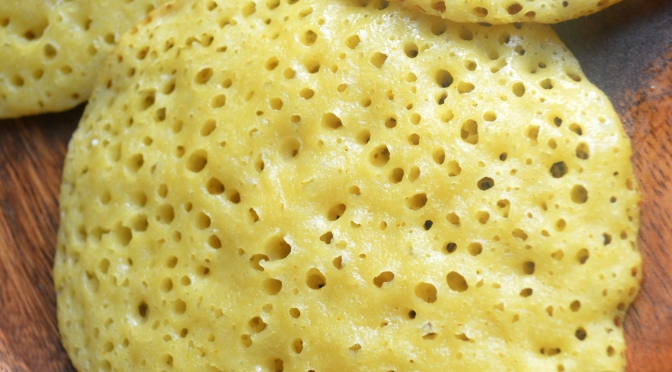
I have already posted the basic version of Surnali / sweet and spongy dosa. This version is like an upgrade to it by adding Mangalore cucumber. The addition has so many benefits like:

* The dosa turns out very soft and porous as you can see from the pictures.

* The aroma that the mangalore cucumber gives out is simply heavenly.

* You are adding a vegetable in your diet even without your knowledge. (This is the main reason I make these dosas atleast once weekly. Kids love it and they don’t realise they are eating a vegetable hidden in it ๐Ÿ˜)

There was one more reason last year why I made this dosa too often. My husband loves gardening had planted these Mangalore cucumbers from seeds that he got from the core of store bought ones and we had a yield of about 50 of them from our kitchen garden. Yes 50!!!! Here is a picture of some of them.

Since they have a very good shelf life, I kept it as such on counter top and it lasted us a good 6 months. Looking at them everyday made me so happy. โ™ฅ๏ธ

Sharing the dosa recipe for all of you to try and enjoy too. Happy and healthy cooking!

RECIPE:

Ingredients:

2 Cups of peeled, cored, cubed Mangalore cucumber / Magge/ Velarikka

2 Cups Raw Rice (Any variety of white rice)

1/2 Cup grated coconut ( fresh/ desiccated)

1 Cup Beaten rice/ Poha

1/2 Cup Curd

3/4 Cup Jaggery

1 tsp Turmeric powder

Salt to taste

Ghee to cook the dosa

Recipe:

1. Wash well and soak the raw rice for 2 to 4 hours.

2. Take the peeled, cored, cubed mangalore cucumber and grind to a fine paste.

3. Now add soaked rice along with Poha, jaggery, coconut, curd, turmeric and salt to a smooth paste. Add buttermilk instead of water while grinding for spongier surnalis. Pour into a steel vessel. Mix well with hands to start fermentation.
5. Keep aside covered for 8 to 12 hours or overnight.

6. Take a ladle full of the batter and pour a thick dosa. Add ghee on top.

7. Cover and cook on low flame till the dosa cooks. (This dosa requires low flame to cook. Else it will turn black due to jaggery in it.)

8. Remove and serve hot with butter.

Notes:

* Any variety of white rice ranging from Sona masoori to short grain white rice (used for eating) works well to make this dosa.

* You could substitute curd with buttermilk.

* Ensure the batter is a slightly thick ( not very thick) smooth paste and not watery to get perfect surnalis.

* The amount of jaggery is to taste. You could increase or decrease as per your taste. You can also skip jaggery and make plain dosas with Mangalore cucumber.

* I substitute Mangalore cucumber with watermelon rind ( the white part) sometimes and it tastes delicious as well.

For regular Surnali without Mangalore Cucumber, you can try this recipe:

Surnali

For more Dosa recipes, check my Dosa Corner page.

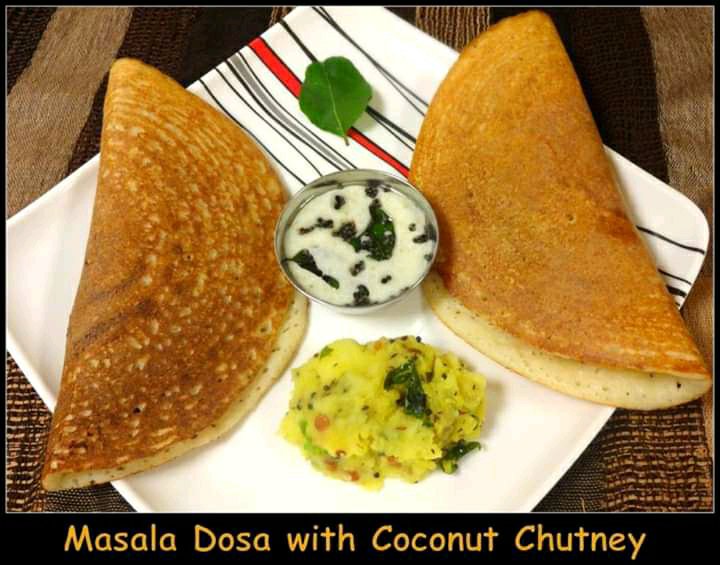
Masala dosa

When I was newly married, I hardly knew about cooking blogs nor about food groups on facebook. I relied on asking Amma for recipes and cookbooks like the amchi favourite one by Jaya V Shenoy. I was also lucky to be gifted by few cookbooks by my grandmother’s sister whom I lovingly call Prafulla pachi. ๐Ÿ˜

One among them is 99 Delightful dosas by Jayashree Prabhu. I have learned many dosas from the book and this masala dosa is one among them. Never had to try any other recipe for Masala dosa. Comes out perfect each time. ๐Ÿ˜Š

I also take this post as an opportunity to thank my aunt Chandriakka and Prafulla pachi for gifting me many cookbooks during my newly married days. I still treasure them a lot. Thank you! โค๏ธ

Sharing the recipe of masala dosa with all of you. Happy and healthy cooking!

RECIPE:

Adapted from the cookbook: 99 Delightful dosas by Jayashree Prabhu

Ingredients:

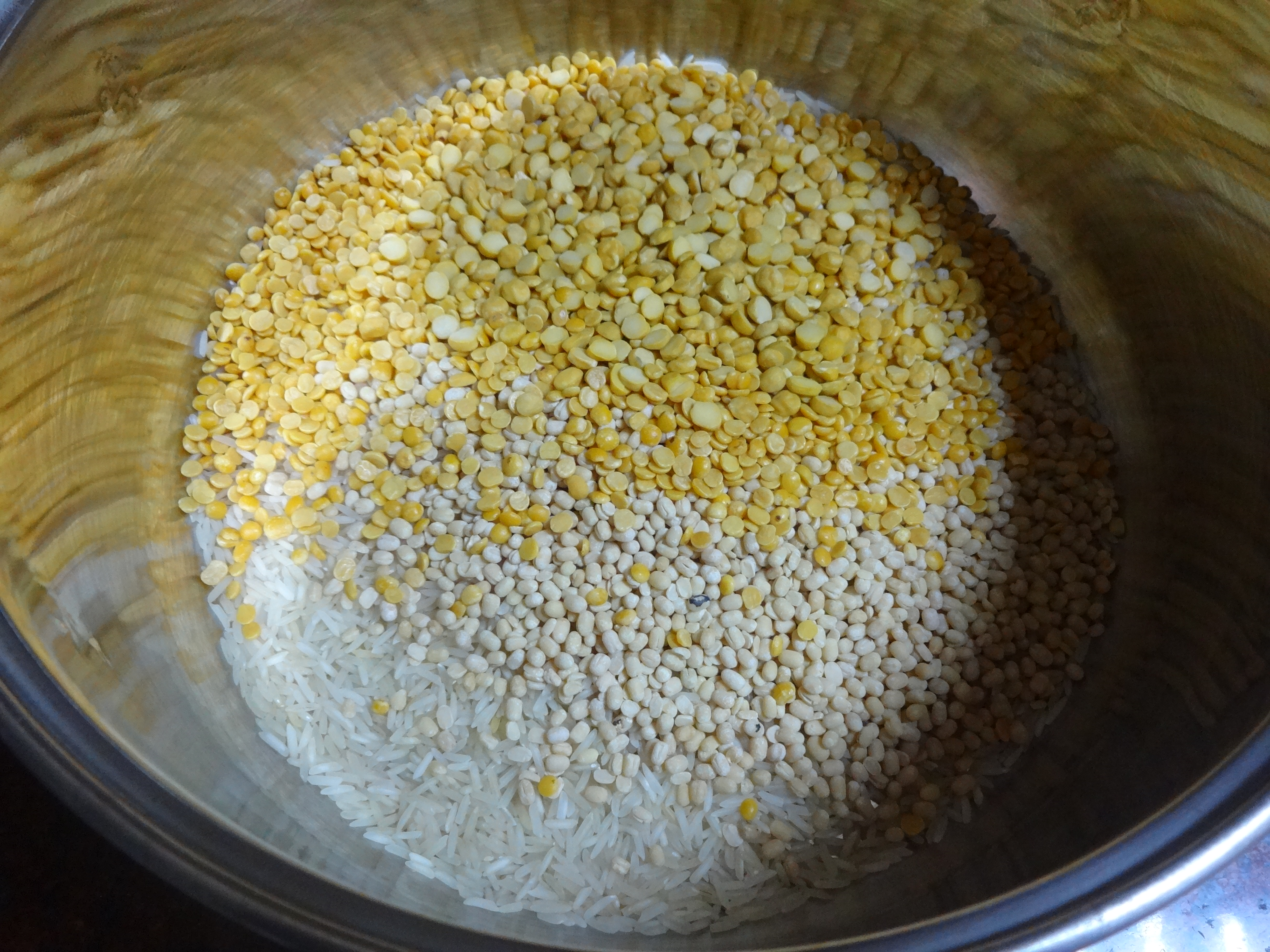
2 Cups raw white Rice

1/2 Cup Urad dal

1/2 Cup Mixed dals (any combination of toor dal, moong dal, chana dal, masoor dal)* check notes

1/2 Cup wheat Semolina/ Rava/ Sooji/ regular upma rava

1 Tbsp Oil

1 tsp Sugar

1/2 tsp Hing

Salt to taste

Oil or ghee to cook the dosa

Step by step recipe:

1. Wash well and soak rice along with urad dal and mixed dals for atleast 4 hours.

2. Drain the water and grind with little water to a fine paste.

3. Now add rava, oil, hing, sugar and salt.

4. Mix well so that no lumps are formed and keep for fermentation overnight or for 8 to 10 hours.

See how well the batter has fermented

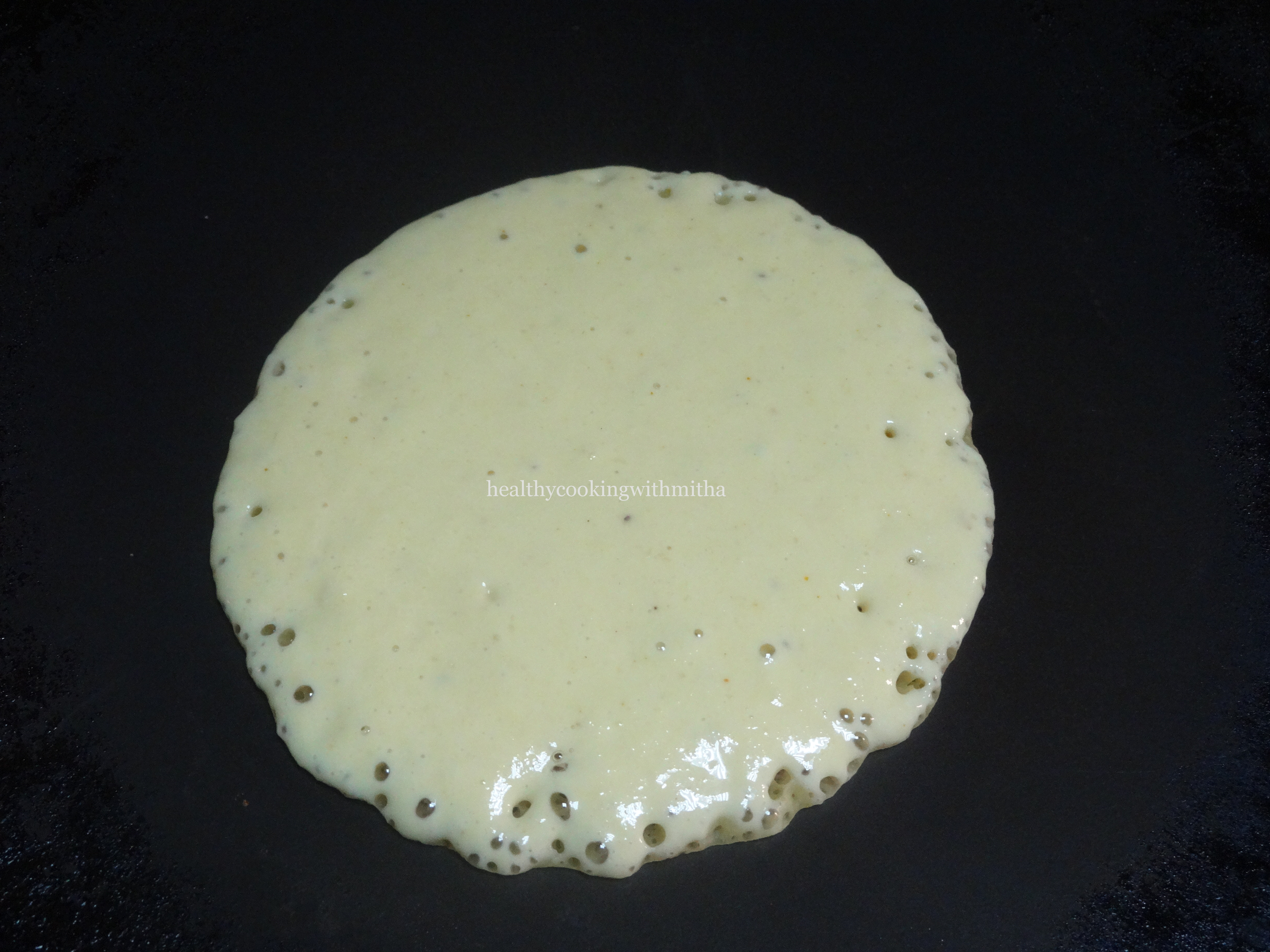
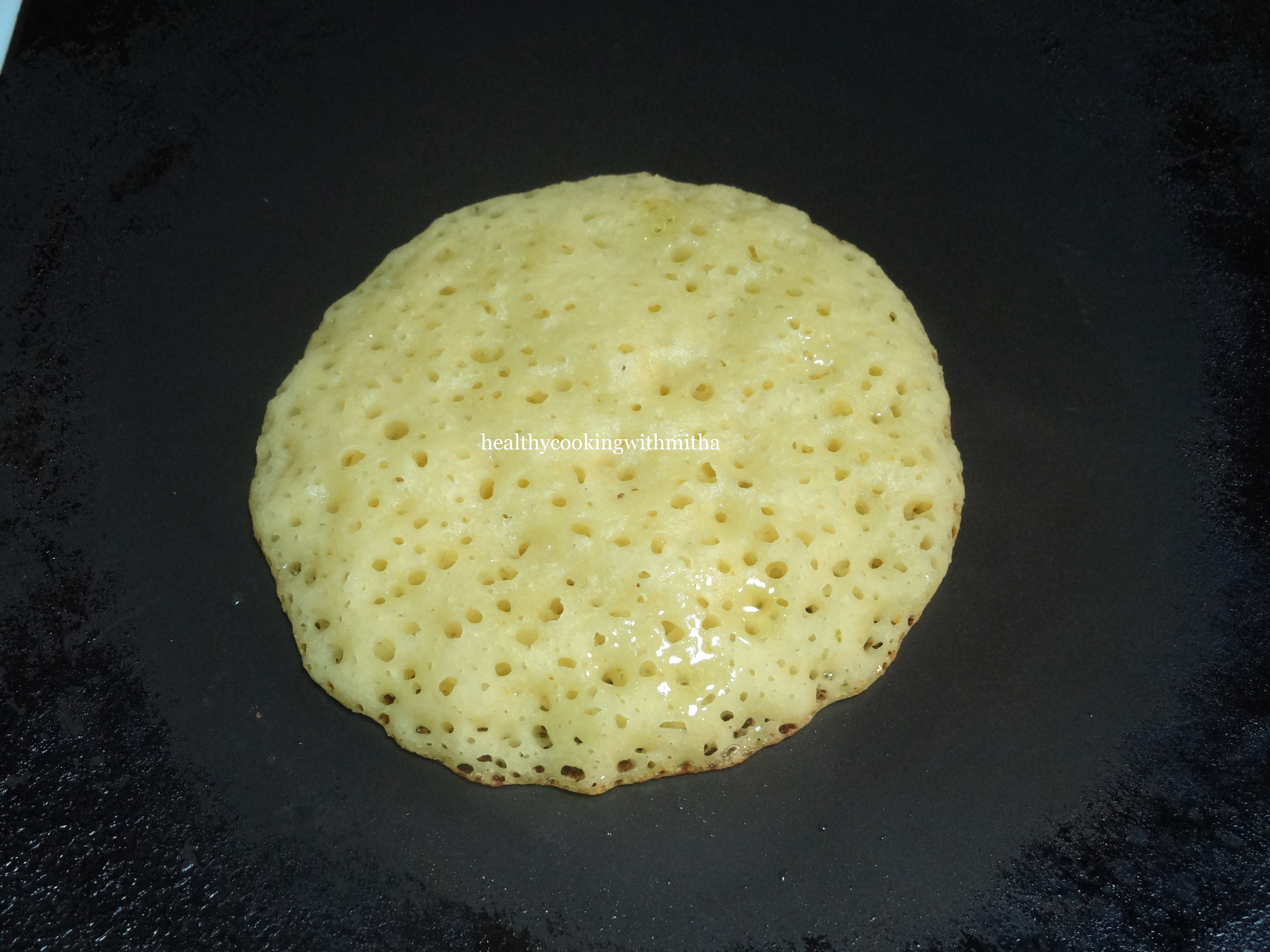
5. Heat a pan and pour the batter in medium flame. Spread in a circle as big as you can.

Tip: Don’t make the flame high while spreading the dosa. Spread on medium flame and then increase the flame to high while cooking the dosa.

6. Cover and cook till the surface cooks. Add ghee or oil. Place the potato bhaji in the center of the dosa. Fold and serve. Repeat the same with the rest of the batter.

Notes:

* You can add any varieties of dals in the mixed dals among chana dal, moong dal, toor dal and masoor dal. I add whichever is available in my pantry.

* For the bhaji,

# Pressure cook potatoes. Peel and mash them.

# Heat oil in a pan. Splutter mustard seeds. Add Jeera, hing, green chillies, fry little. Then add tumeric powder along with mashed potatoes.

# Add little water and salt. Cook till the mixture turns dry. Garnish with coriander leaves.

(You can also add sliced onions to this bhaji if desired)

* For making perfect dosas, always spread the dosas on medium flame, then make the flame high and cook till it till done.

* For crispy dosas, cook till the underside browns completely.

* I usually make simple coconut chutney with this dosa. Just grind together Coconut, ginger, green chillies with salt to a smooth paste. Season with mustard seeds and curry leaves spluttered in oil.
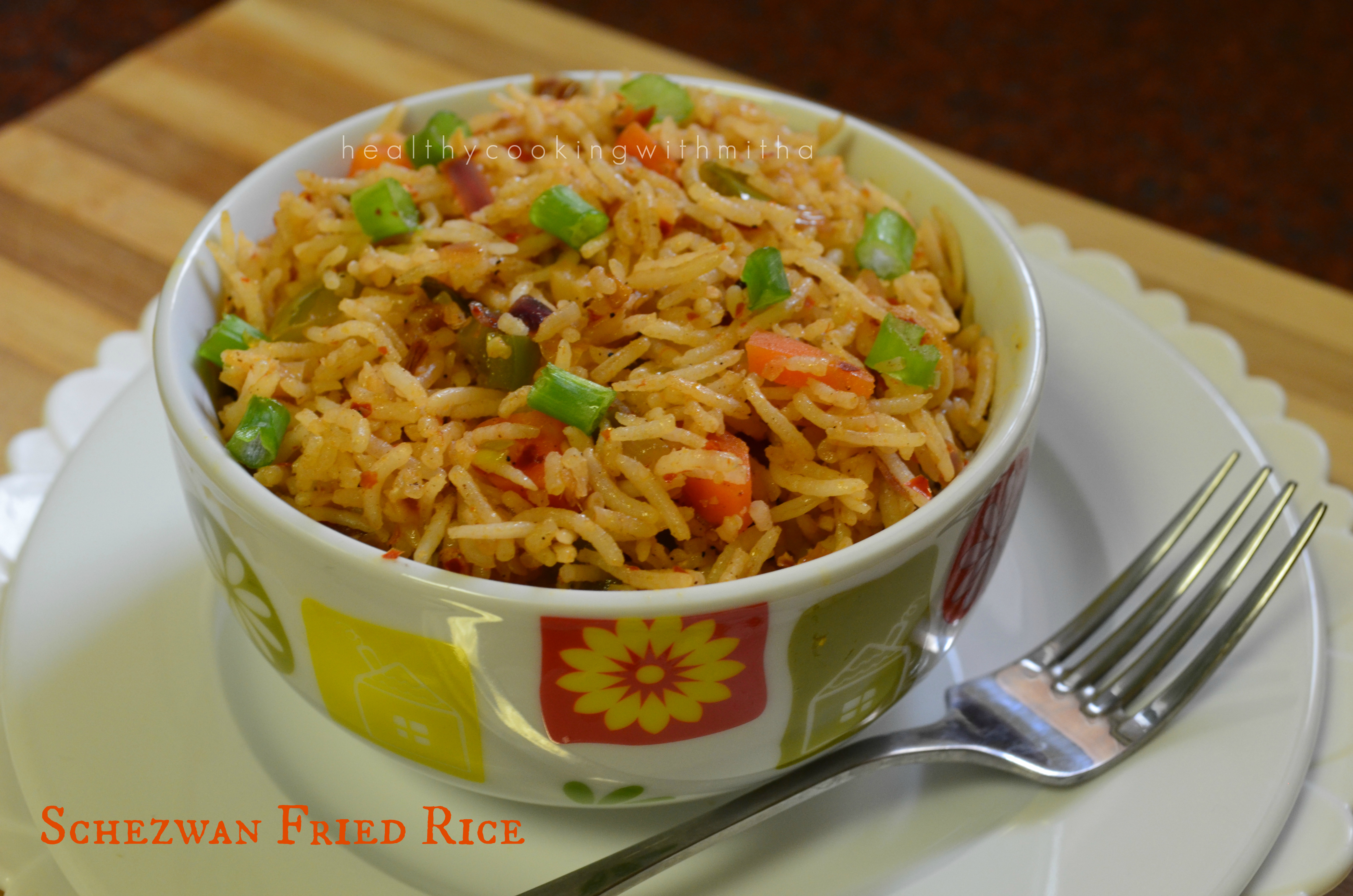
Schezwan Vegetable fried rice

Being newly married, I was always conscious of my husband’s food preferences and I saw that he always chose Schezwan fried rice over regular one when we ate out. So I had to try it at home and perfect it till he says it tastes exactly like restaurant ones.

And it is not really that easy to impress him and that’s how I improved with every try. Finally when he did say that the Schezwan fried rice tastes perfect, he said it tastes even better than restaurant ones. It made me feel happy and out of the world.

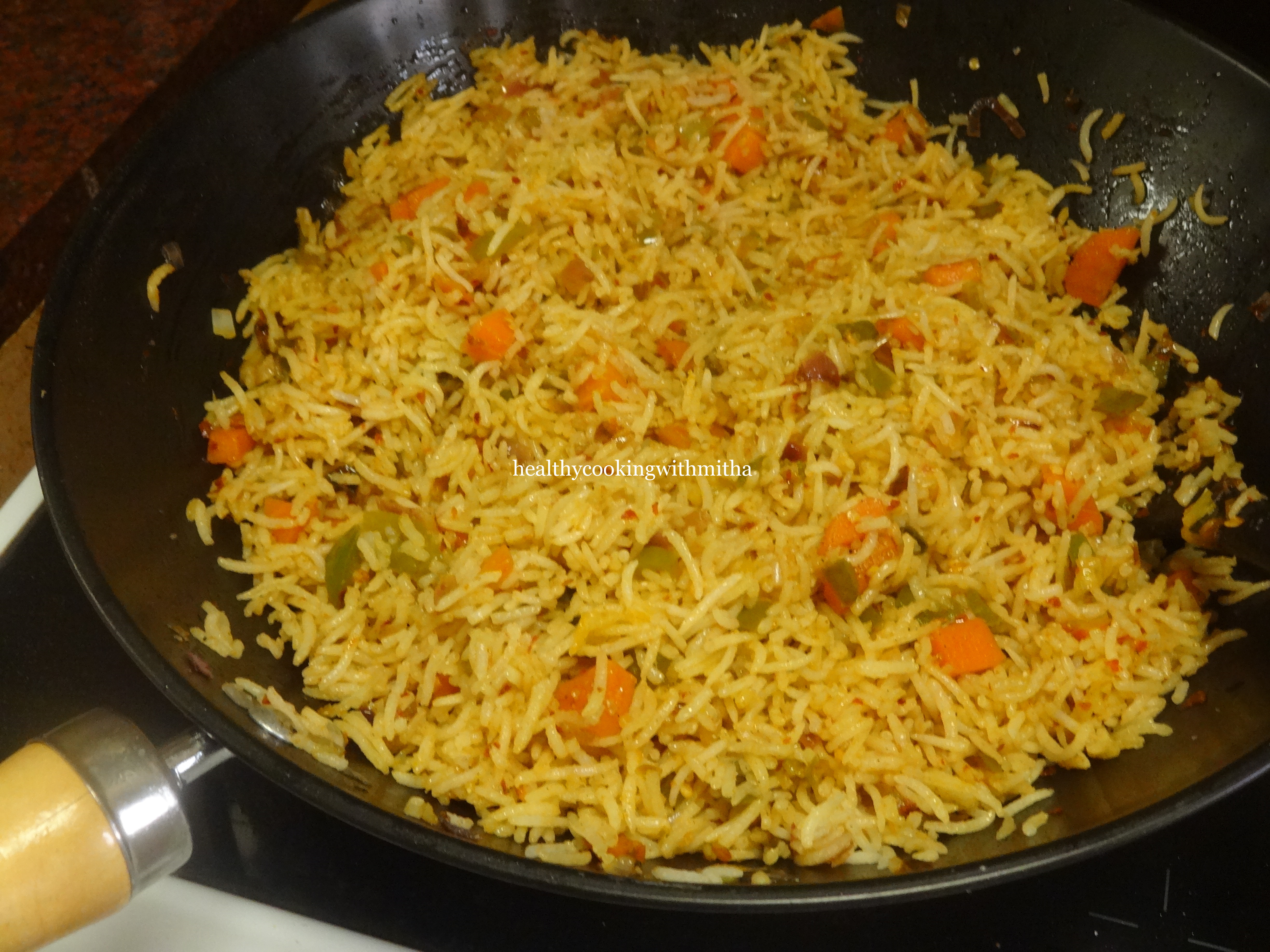
So I had to share this recipe and here I am. Love how the colour turns out gorgeous even without store bought Schezwan sauce.

Homemade with love โ™ฅ๏ธ Happy and healthy cooking!

RECIPE:

Ingredients:

2 Cups long grain White rice

1/2 Cup Carrots, finely chopped

1/2 Cup Capsicum, finely chopped

1 medium sized Onion, finely chopped

1/4 Cup spring onion bulbs, finely chopped

1 inch Ginger piece, finely chopped

4 cloves of garlic, finely chopped

3 green chillies, finely chopped

6 to 8 Kashmiri red chillies (long variety) – or to taste

1 Tbsp Tomato ketchup

1 tsp Pepper powder

2 Tbsp Oil

Salt to taste

1 tsp Vinegar

Spring onion greens, for garnish

Step by step recipe:

1. Cook white rice till almost done and the grains are still separate.

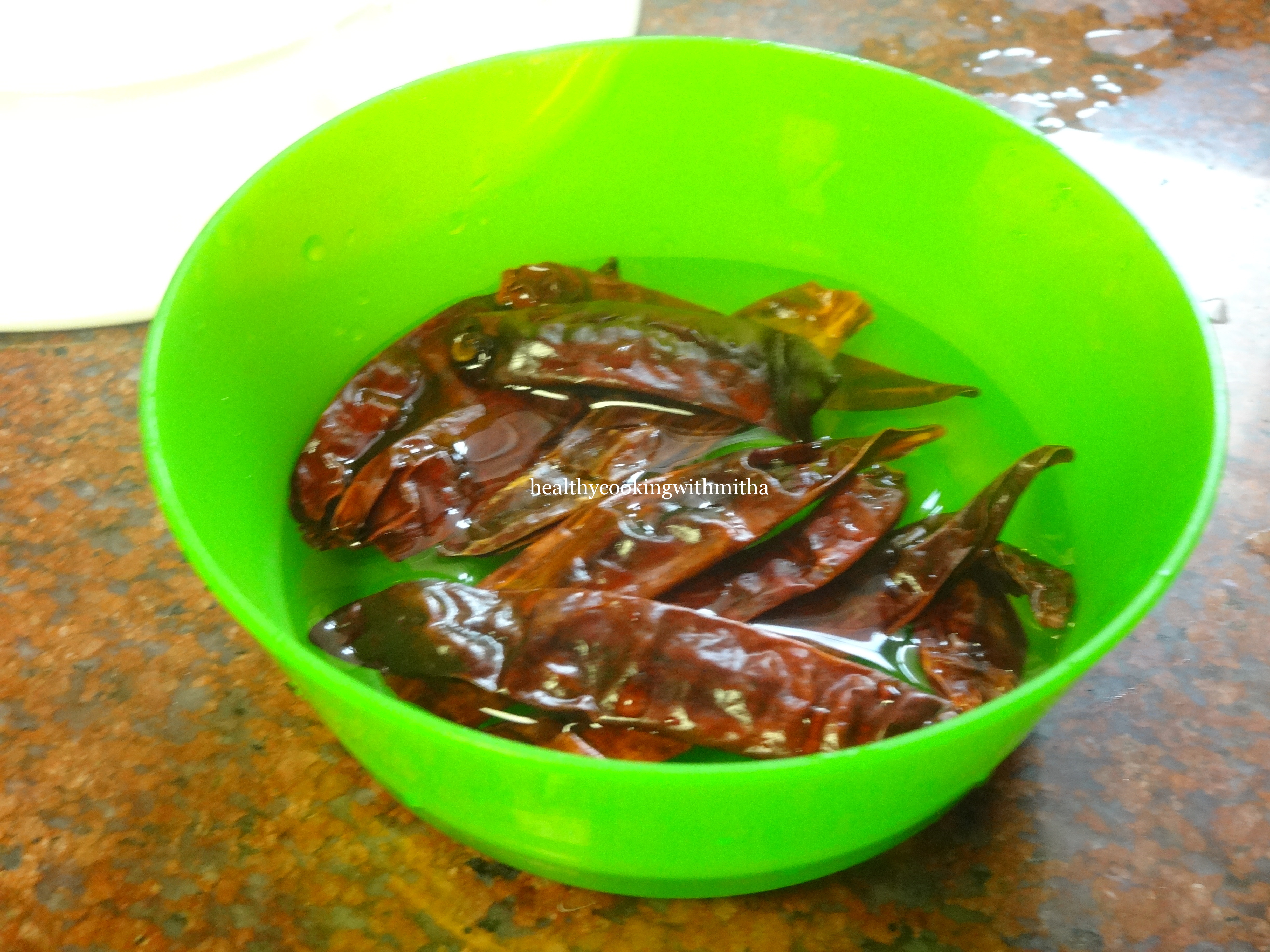
2. Soak red chillies in warm water for 10 mins or more time if you have.

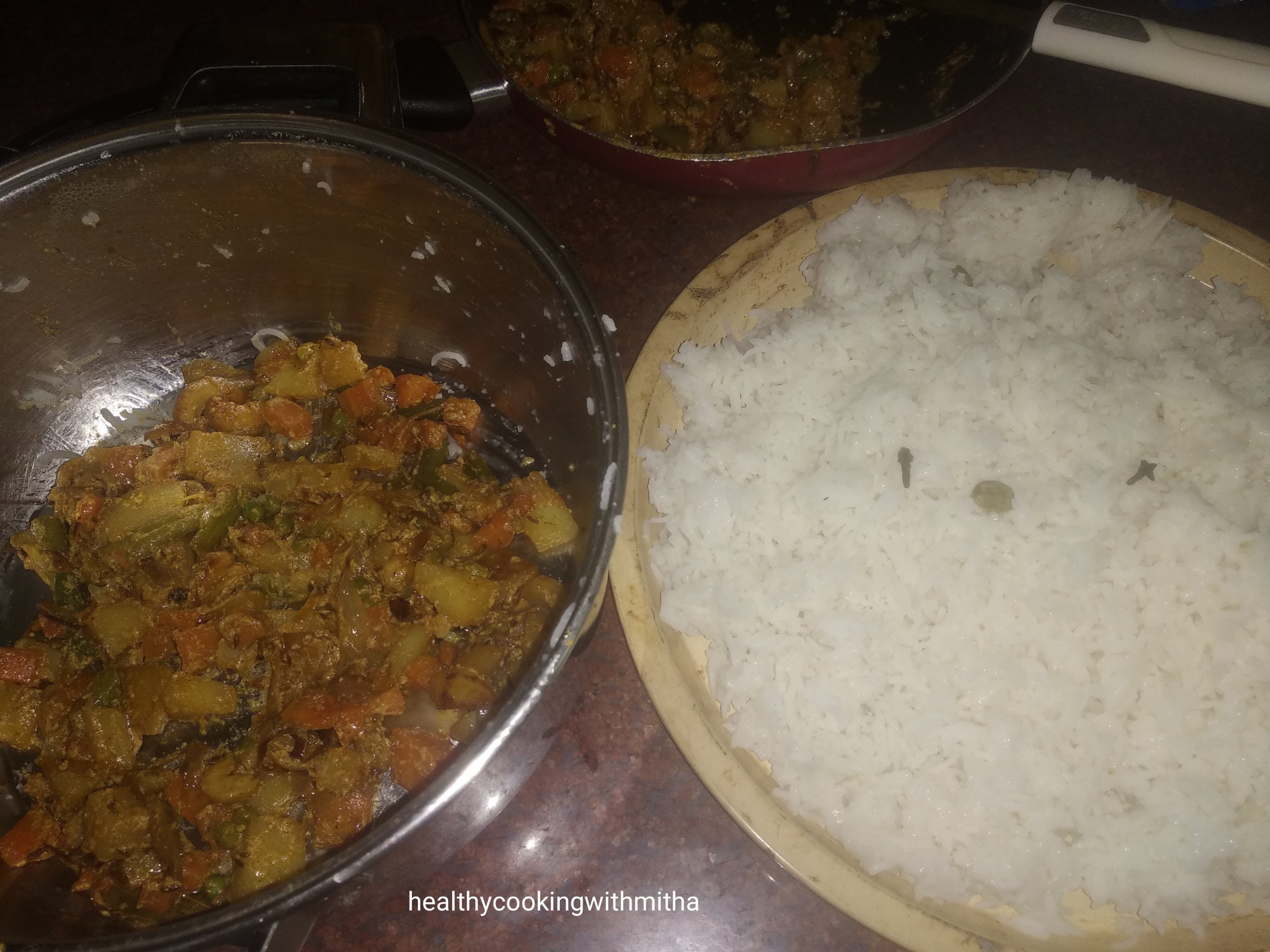
3. Grind the red chillies with little water to a semi coarse paste like shown. Keep aside.

4. Heat oil in a large wok and add ginger, garlic and green chillies. Saute till they turn brown in colour.

5. Add spring onions and onions. Saute till onions turn brown.

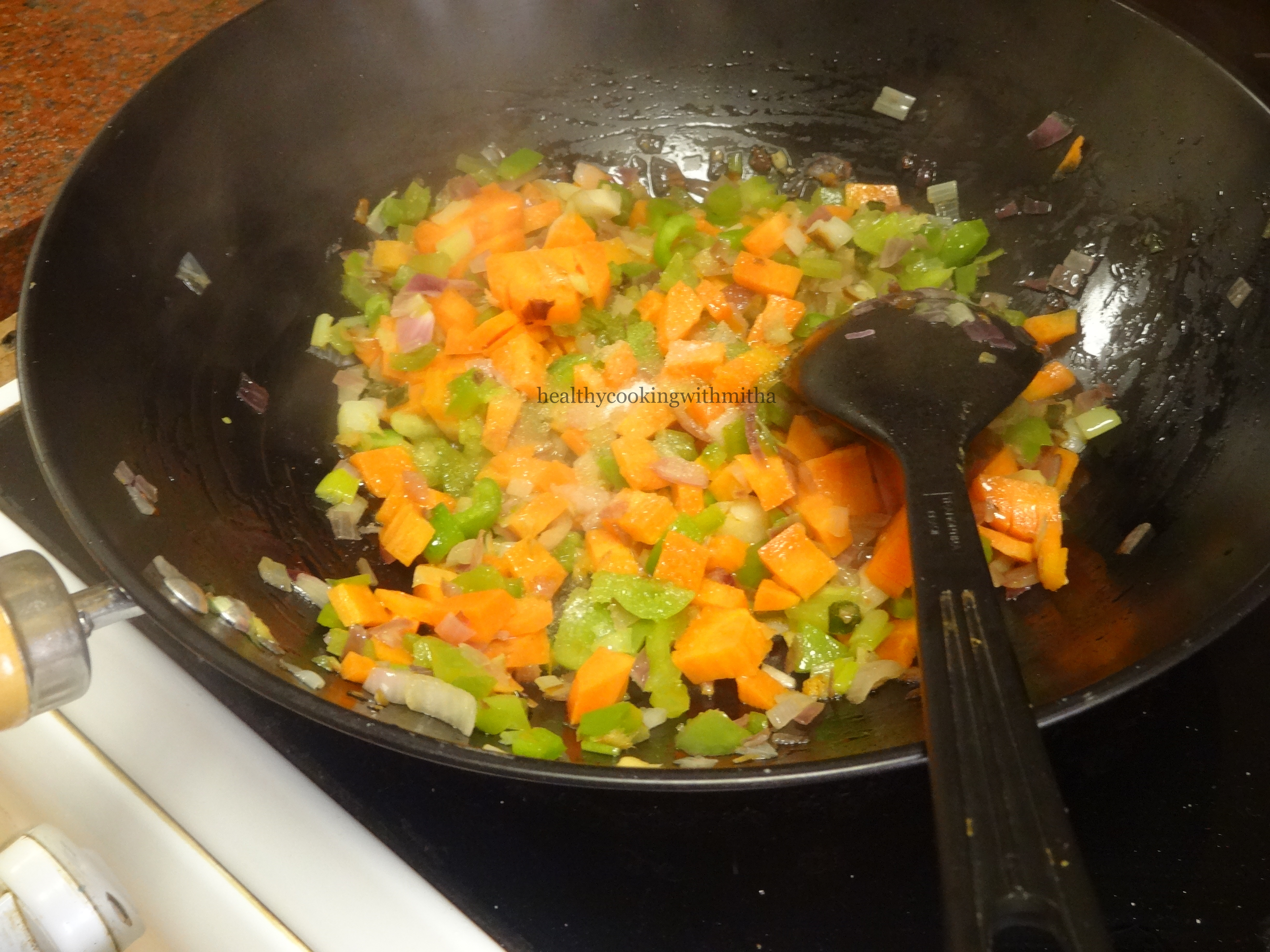
6. Now add capsicums and carrots. Saute on high for five mins.

7. Add tomato ketchup, pepper powder and salt. Mix well.

8. Next add the red chilli paste and saute for five mins more till the paste cooks.

9. Now add the cooked rice and mix till the rice mixes well with the Schezwan sauce. Take care to do so gently as else the rice grains may break.

10. Add vinegar and garnish with spring onions. Serve hot!

Notes:

* For plain Vegetable fried rice, skip the red chillies paste. Rest process is the same.

* Don’t overcook the rice or you will get a mushy fried rice. Cook till almost done, drain and keep the lid open so that it stops cooking in the steam.

* You can also use leftover rice for this recipe as long as it is not over cooked.

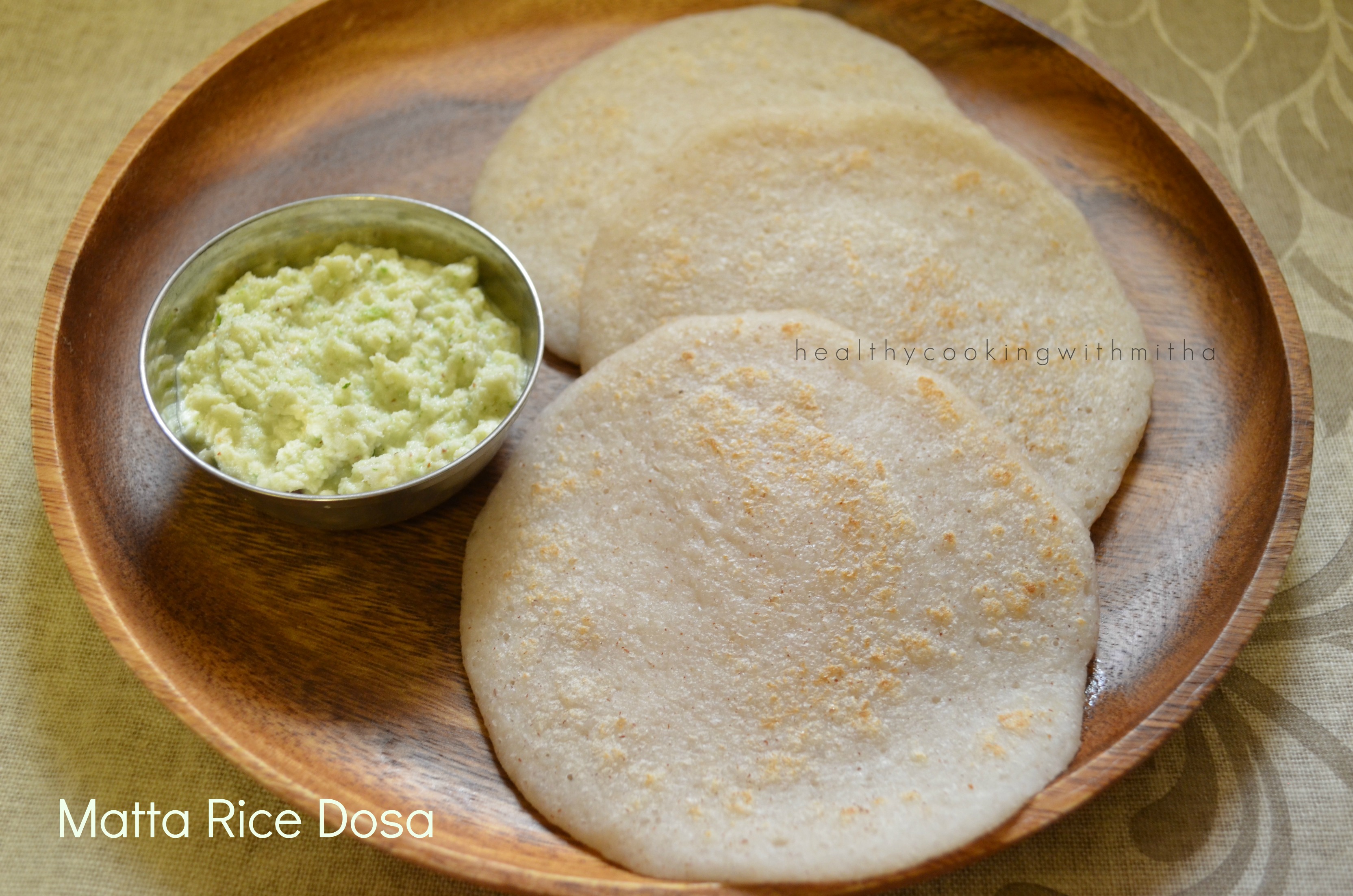
Matta Rice dosa | Surai Ukde polo

Has anyone noticed my Dosa Corner page? I have already updated 8 dosa varieties that I always make for my family. This Matta rice dosa or Surai Ukde polo as said in Konkani is our weekly once breakfast.

I can just eat it with butter and do not need any chutney with this dosa. The combination of Matta rice and coconut brings a unique aroma and flavour to the dosa.

Traditionally, when my grandmother or Amma made this dosa, they did not ferment it. They just ground the batter and used it instantly. I like to ferment the batter as not only it increases the health benefits but tastes more delicious as well.

So here’s sharing the recipe. Happy and healthy cooking!

RECIPE:

Ingredients:

1 Cup Matta rice/ Boiled rice/ Brown rice

1 Cup White rice (any variety of white rice)

3/4 Cup grated Coconut (fresh/ desiccated)

Salt to taste

Oil or ghee to cook the dosa

Step by step recipe:

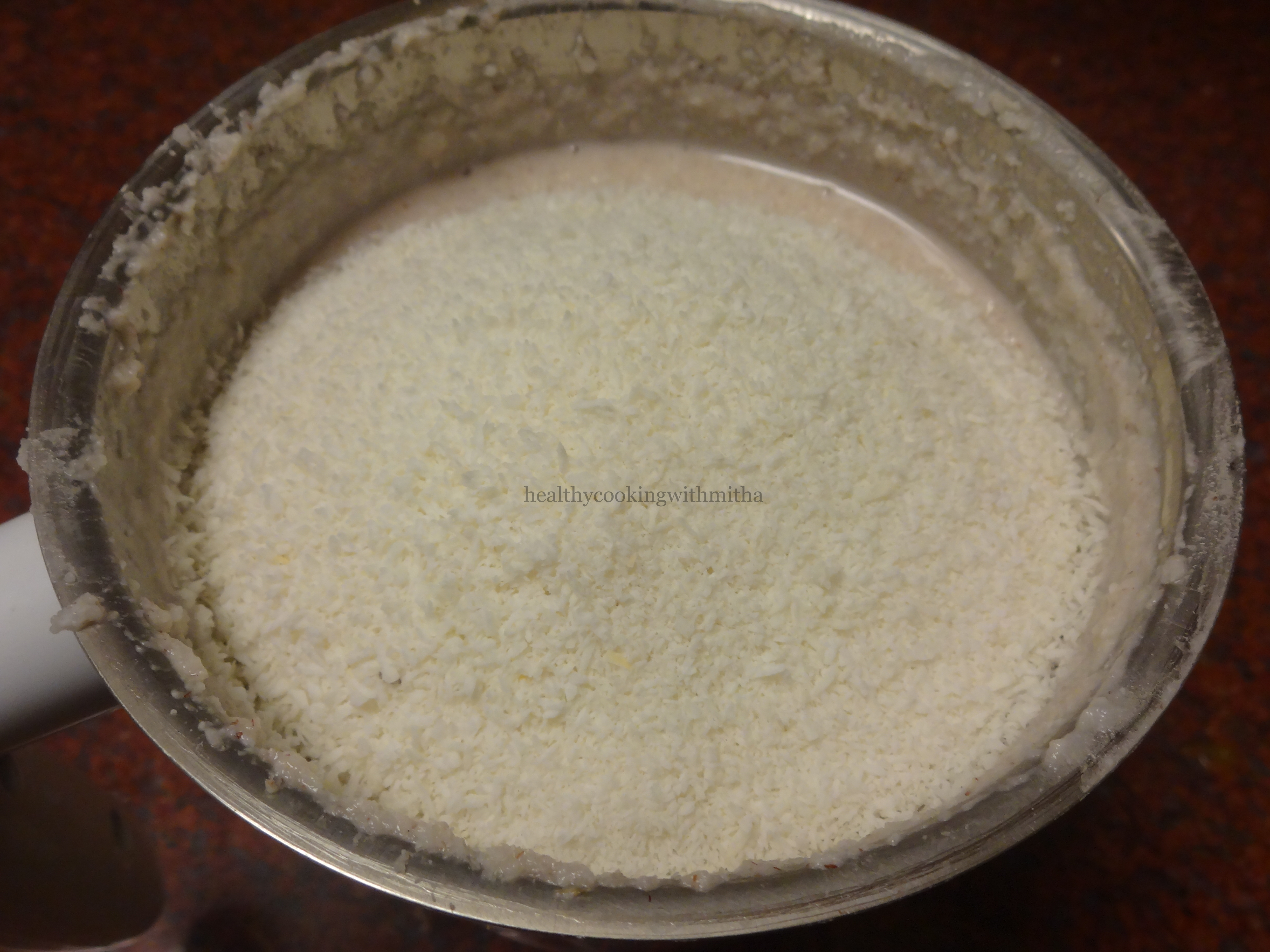
1. Soak Matta rice and white rice together for about 8 hours. Matta rice takes a long time to soak. So soak atleast for 8 hours.

2. After soaking, drain the water and add to the mixer jar. Grind till half done.

3. Now add coconut and salt. Grind till it turns smooth. Pour into a vessel.

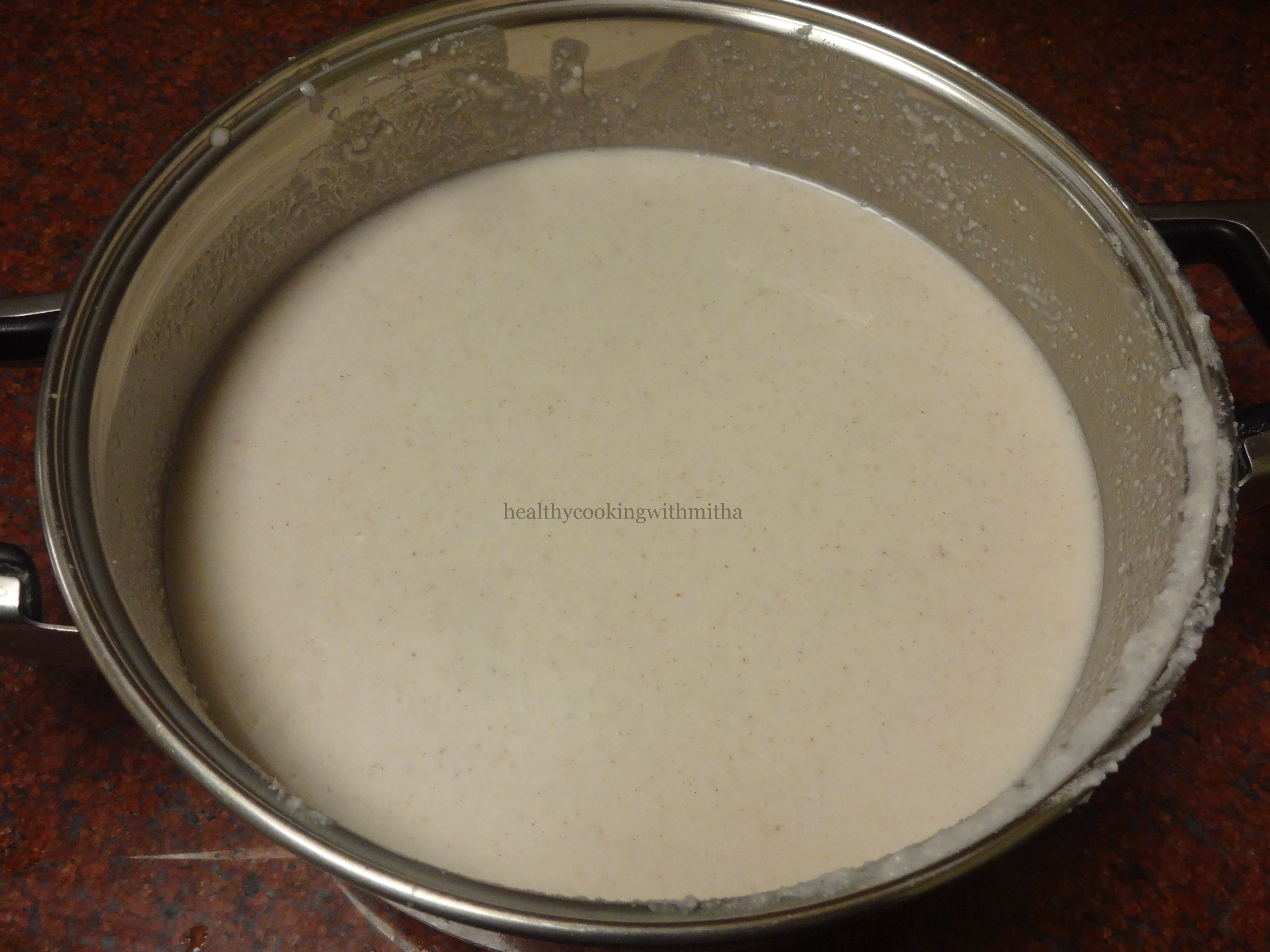
4. Ferment the batter overnight or for 8 hours. (Not required in traditional style but I love to ferment it as the taste is so much better when the batter is fermented.)

Does not rise but you can see bubbles in the batter when it’s fermented

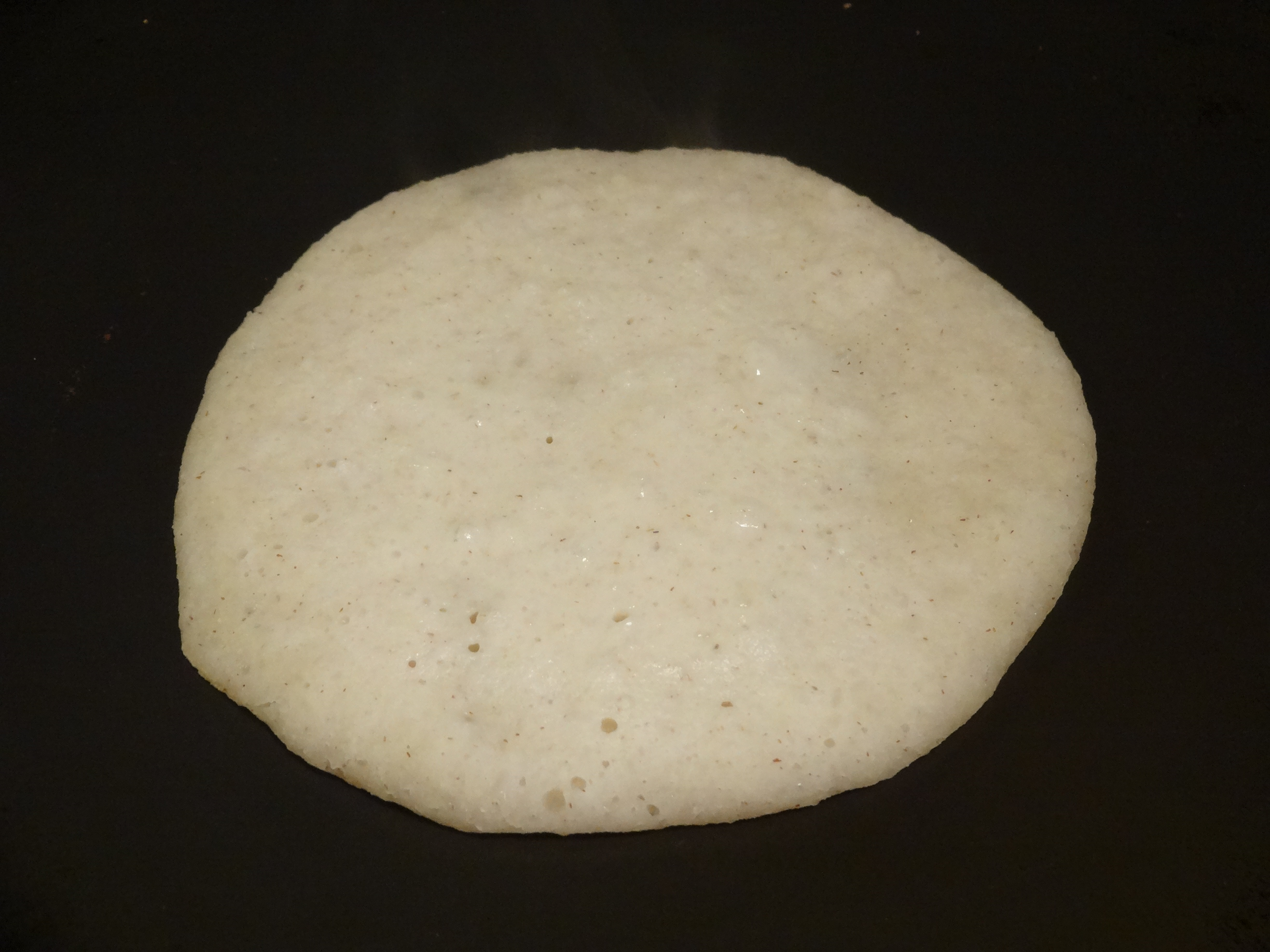
5. Heat a dosa pan and spread a ladle of dosa batter slightly thick.

6. Cover and cook till the surface cooks. Then flip and cook for few more seconds till done.

Enjoy with butter or chutney!

Notes:

* This is a traditional Konkani GSB dosa which does not require fermenting but I like to ferment the batter as it increases the health benefits as well as flavour.

* I soak the rice in the morning and grind the batter at night for breakfast the next day. It needs atleast 8 hours of soaking for the batter to turn smooth.

* This is the rice that I used for the dosa. It’s called Palakkadan Matta rice. This is also the rice we eat on a daily basis for our meal.

Mixed dal Idli/ Dosa

In our house, we live on dosas and Idlis for breakfast. So anyday it’s either of these to kick-start our mornings. My kids love them instead of upma and poha. So I make these seasoned breakfast items only when I have a dosa batter in hand for them.

Mixed dal Idlis are very good for kids who don’t like dals in their “dal” form (like my kids). And it makes things easier when they love Idlis or dosas. High in protein and filled with nutrition, they are so soft and delicious that you will fall in love with them.

And this batter is very versatile. Apart from soft Idlis, you can make soft dosas or crispy dosas, the way your family likes them. That’s why these are my favourite. I grind the batter enough for two days. Make Idlis the first day and dosas the following day.

Hope you all try it too. Happy cooking!

RECIPE:

Ingredients:

1 Cup white Rice

1/2 Cup Urad dal

1/2 Cup Moong dal

1/2 Cup Toor dal

1/2 Cup Chana dal

Salt to taste

Oil to grease the idli stand

Note: Skip any dal if you don’t have. I usually don’t have chana dal. So I add 1 Cup Moong dal and 1/2 Cup Toor dal.

So basically 1 Cup rice. 1/2 Cup Urad dal and 1 1/2 Cups mixed dals.

Step by step recipe:

1. Wash well and soak the rice and dals together for 4 hours.

2. Drain the water and grind along with little water and salt to a fine paste.

3. Ferment this batter by keeping in a warm place for 8 hours or overnight. In cold places, it will take atleast 12 hours to ferment well to make soft Idlis.

The well fermented batter

4. Grease the idli plates very well with oil. Else the Idlis will stick to the pan since it’s a mixed dal Idli. Pour the batter into the plates.

5. Steam for 20 mins or till done.

6. Allow it to cool slightly before you remove the Idlis as else it will stick to the idli plates. Enjoy Idlis with chutney of your choice.
7. If making soft dosas, spread them thick and you will get dosas like these.

8. For making crispy dosas, spread them like regular dosas and cook till the underside turns brown and add ghee or oil to cook till it turns crisp.

See how crispy they turn out. My daughter loves these crispy dosas.

Notes:

* As I mentioned earlier, if you don’t have any particular dal then just skip it and add 1 Cup of the other dal. Like

1 Cup Rice, 1/2 Cup Urad dal, 1 1/2 Cups of mixed dals.

This should be the ratio.

* For dosas, you need not ferment the batter so much. Even 6 hours will suffice but for Idlis, they should ferment really well for soft Idlis.

* I make Idlis the first day. Refrigerate the batter and make dosas the second day. So breakfast for two days sorted.

* Also, grease the idli plates well with oil before steaming and allow to cool a bit before removing the Idlis. Else they will stick to the plates.