Tag Archives: Coconut

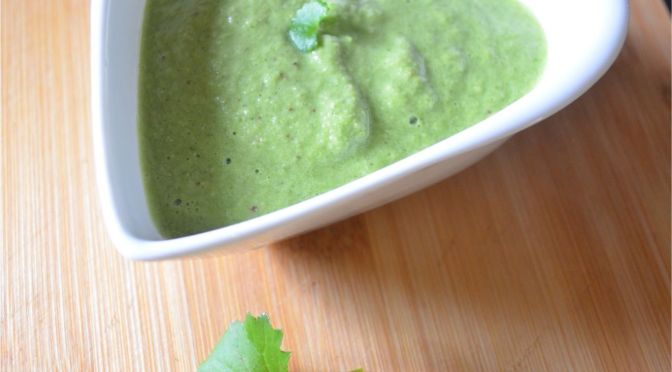
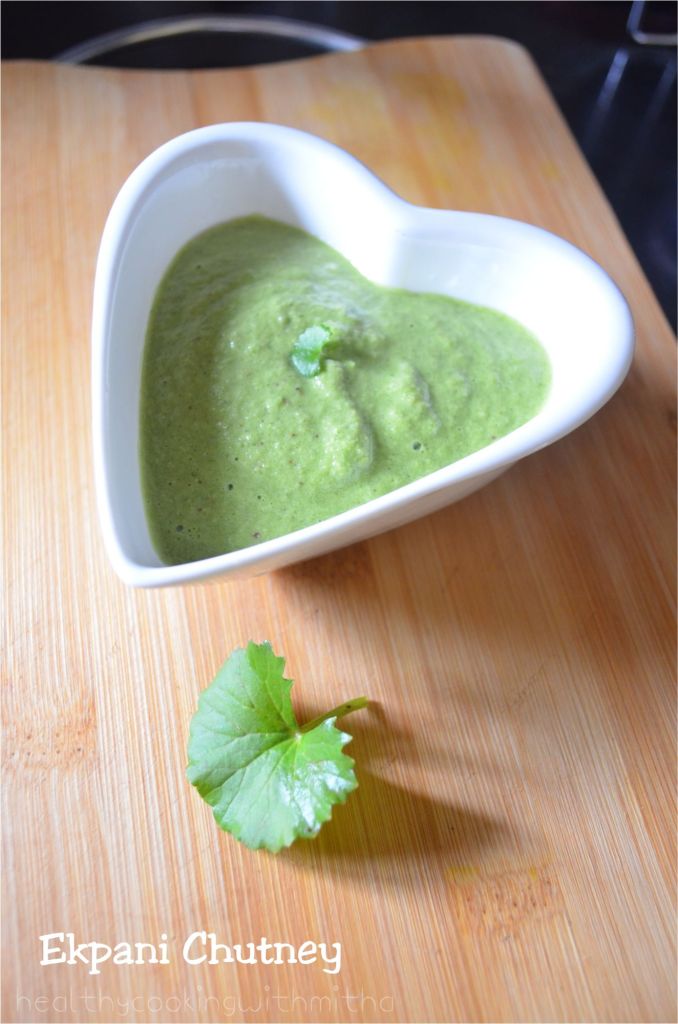
Ekpani Chutney | Brahmi leaves Chutney

Click on the picture to save the recipe on Pinterest

What I love the most being in native is that I am not only close to my loved ones but also very close to nature. As I say jokingly to my kids, it’s like living inside National Geographic channel. The variety of trees and plants, their leaves, the beautiful flowers and the pretty little butterflies along with insects that sit on them.. A delight to watch for a nature lover like me.. 💚
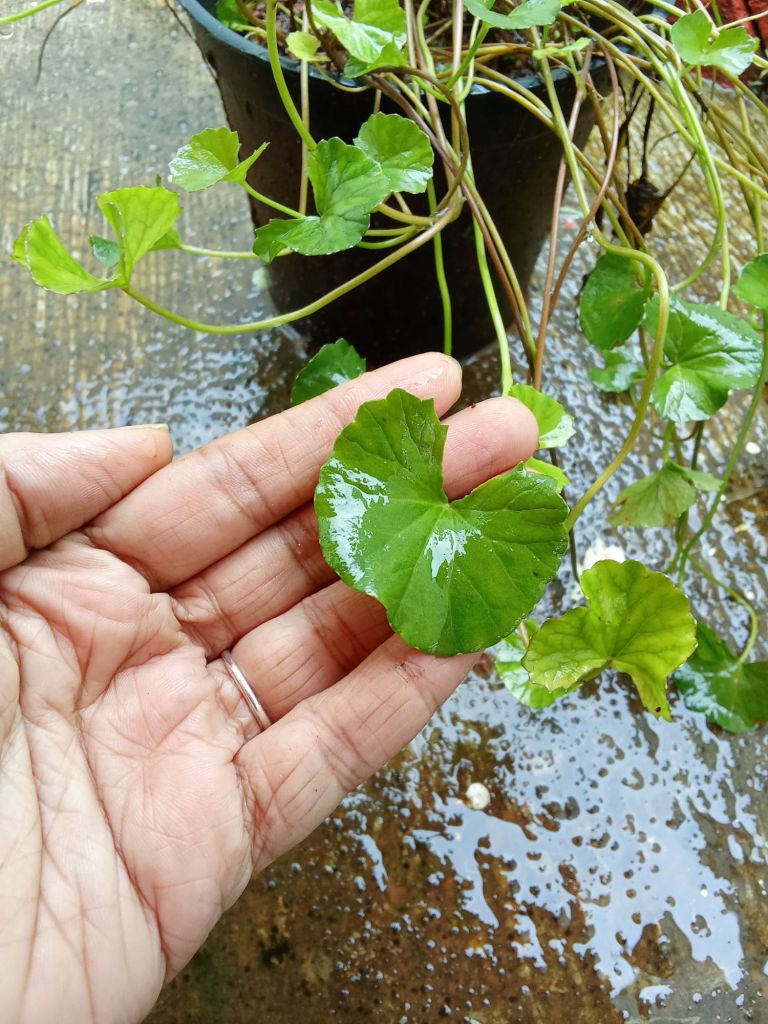
Along with observing them, I also use edible leaves for my cooking. They are not only tasty but high in medicinal value. One such leaf is Brahmi or Ekpani leaves which is very beneficial for the brain specially for kids.

My kids love any kind of chutney and don’t realize what’s inside it. So whenever I find Ekpani leaves, I make this chutney so that they consume these leaves regularly. I learned this recipe from my husband’s aunt Mrs Geetha Shankar Hegde ( mave )who is a great cook and someone who inspired me to cook during my first few months as a newly wed bride.

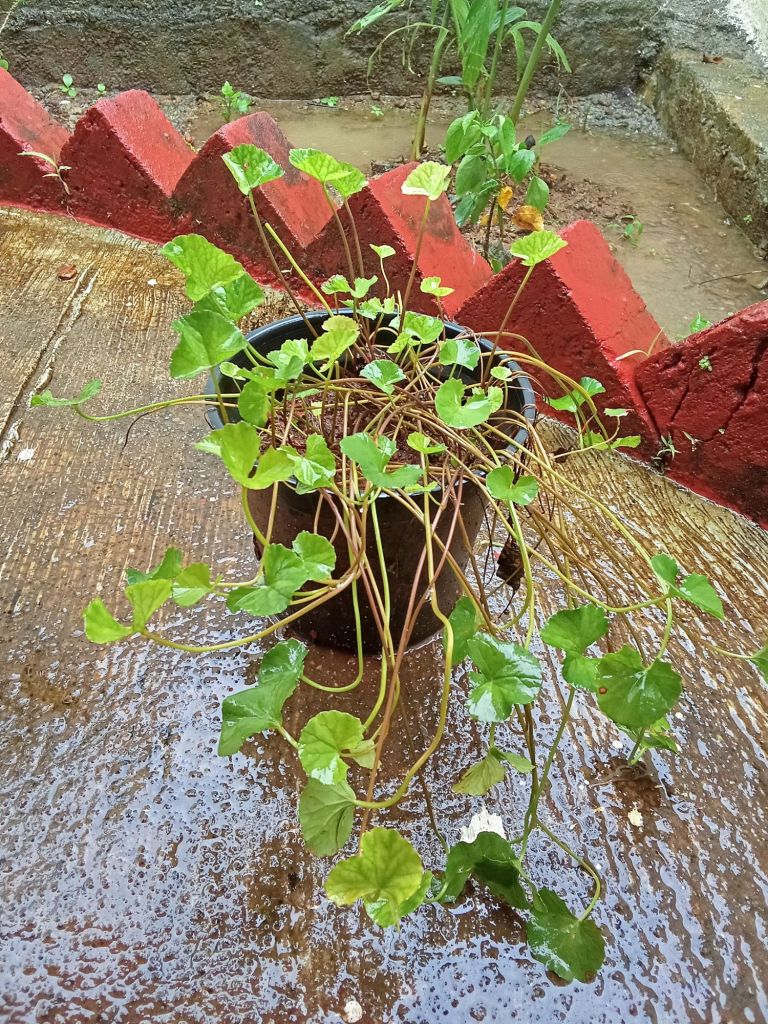
I have to mention one more person, someone very dear to me, Prabha Vaman Bhat mai who was kind enough to share her Ekpani plant along with the pot and also many other plants for our garden. Her plants are yielding such beautiful flowers in our house. Thank you so much Prabha mai. ❤️🙏
Here’s sharing mave’s recipe and hope you all will try this tasty chutney too. Happy and healthy cooking! ❤️

RECIPE:

Ingredients:

About 10 to 12 Brahmi or Ekpani leaves with stem and root

3 Green chillies

1 tsp Cumin seeds

2 tsp Ghee

1/2 Cup Coconut gratings

A small pebble sized ball of Tamarind

Salt to taste

Step by step recipe:

  1. Wash the Brahmi leaves with stem and root very well in a bowl to remove the soil in the root. Roots are very important and healthy but if not available, you can use only the leaves for this chutney too.
  2. Heat ghee in a pan and add cumin seeds. When it changes colour, add green chillies. Now add the washed ekpani leaves.
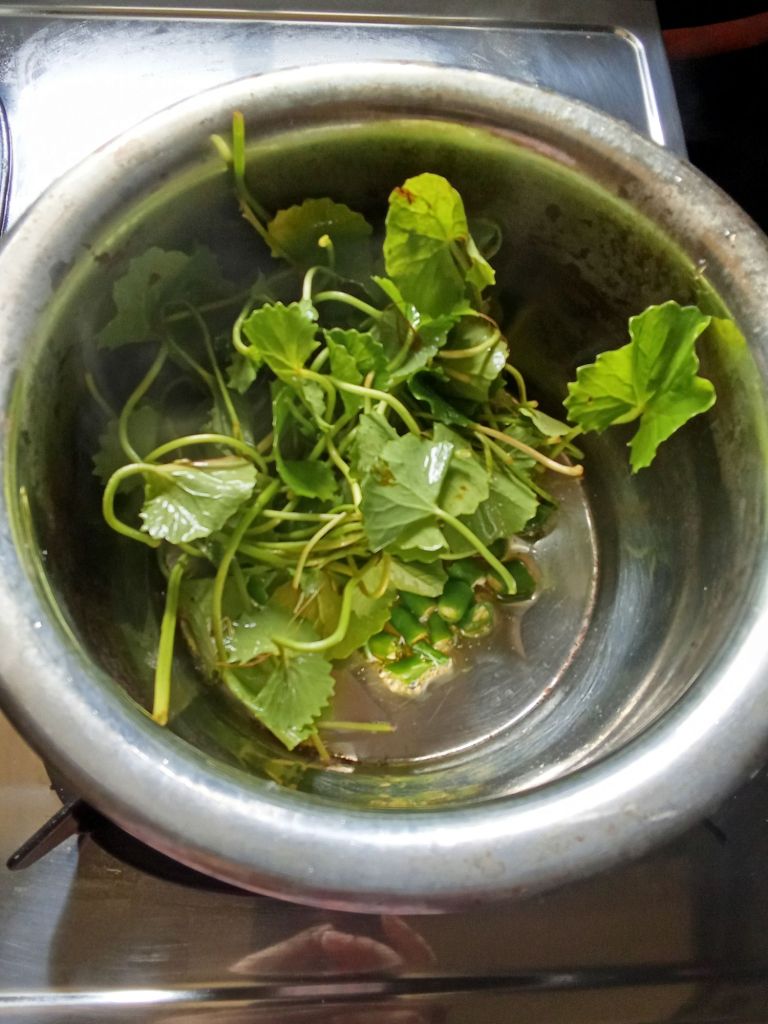
3. Fry for few seconds until the leaves wilt a little.
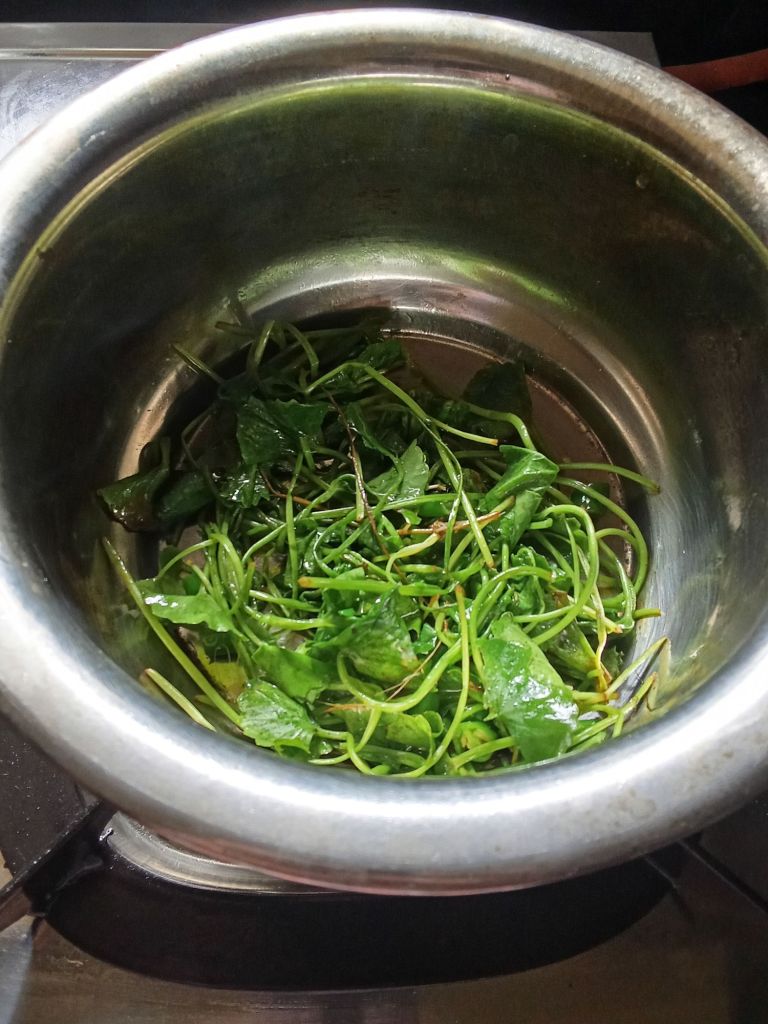
4. Now add this to a mixer jar along with coconut, tamarind, salt and little water.
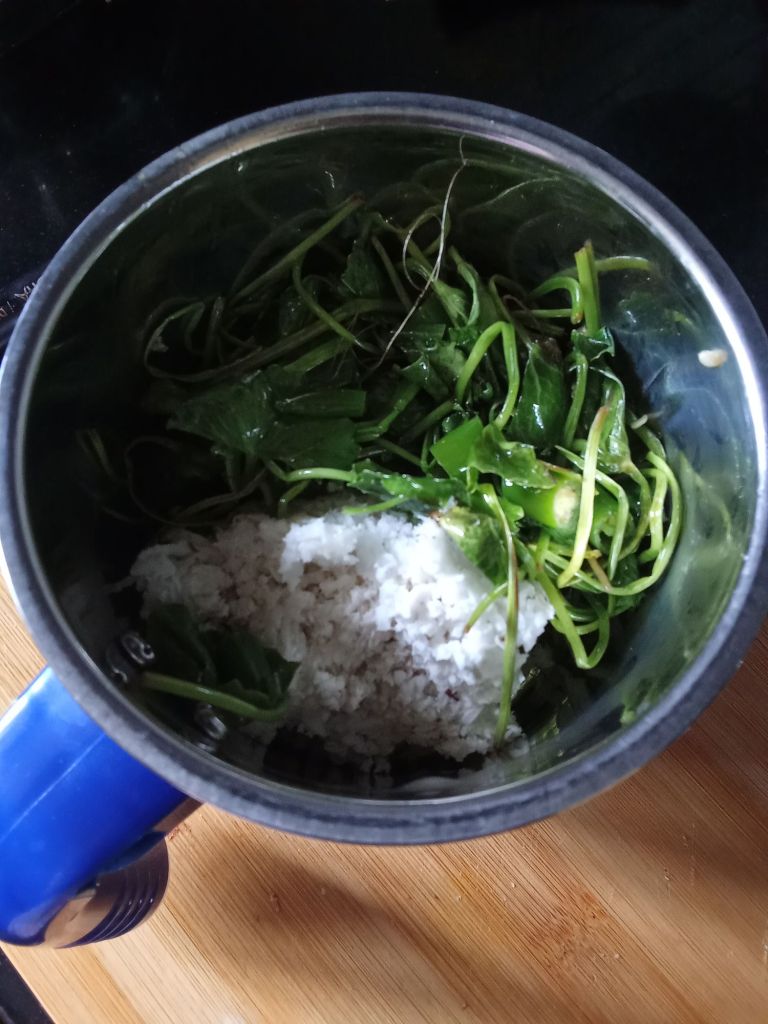
5. Grind to a smooth paste adding water as per desired consistency.
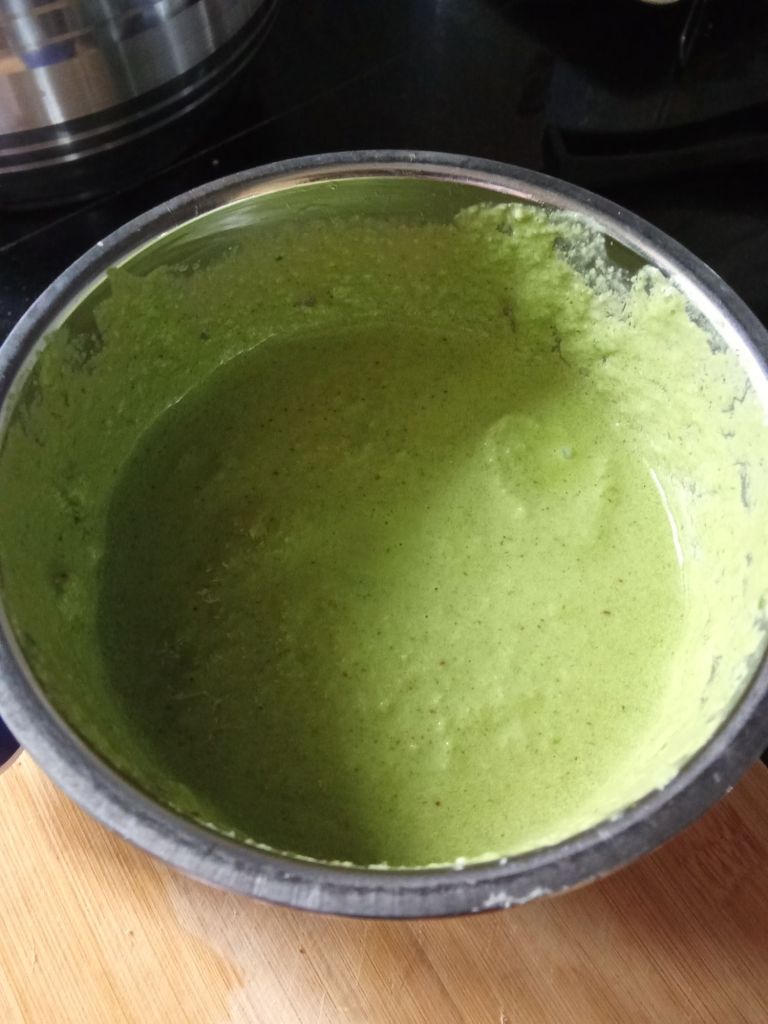
6. Done! Enjoy with dosas, idlis or rice.

Click on the picture to

Notes:

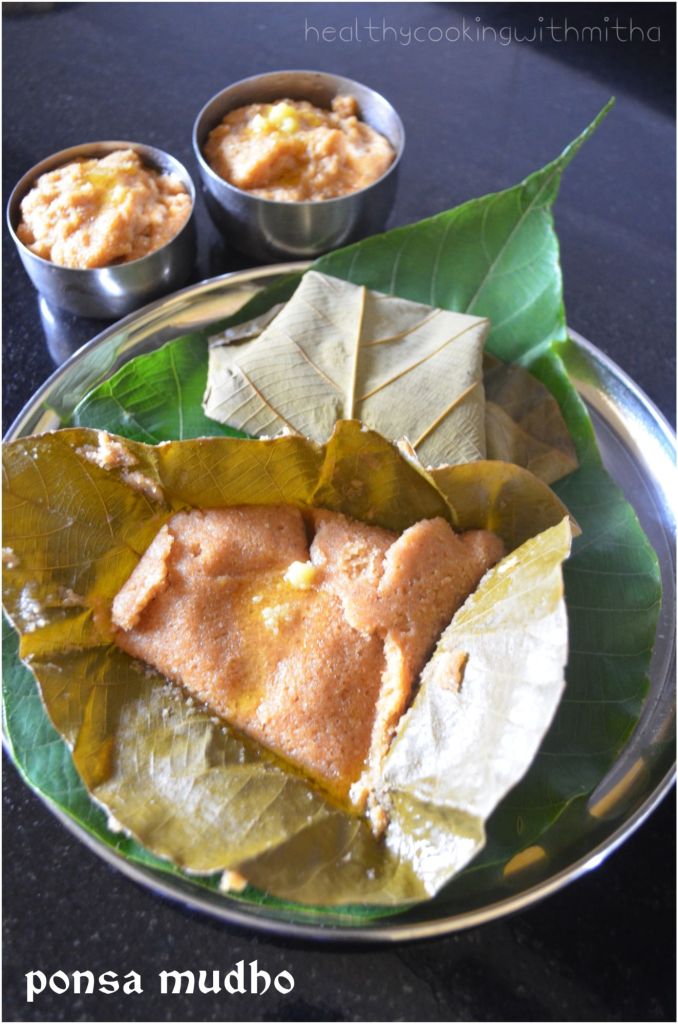
Ponsa mudho |Ripe Jackfruit sweet idli Konkani style

Click on the picture to save the recipe on Pinterest

Every year during Jackfruit time, I used to crave for it but could not enjoy as it was super expensive in Qatar. My dad however used to fry it in ghee when in season and freeze it for me when I came during vacation.. Then we used to make ponsa mudho or polo (thick dosa) with it which I used to devour to my heart’s content.

Not this year though.. Being in Udupi and pampered by everyone around 😍, I am getting freshly ripened Jackfruit every now and then, which I am enjoying like someone who’s never tasted it before..😂 With what was left after eating it fresh, I made this mudho and took pictures to share it with all of you..

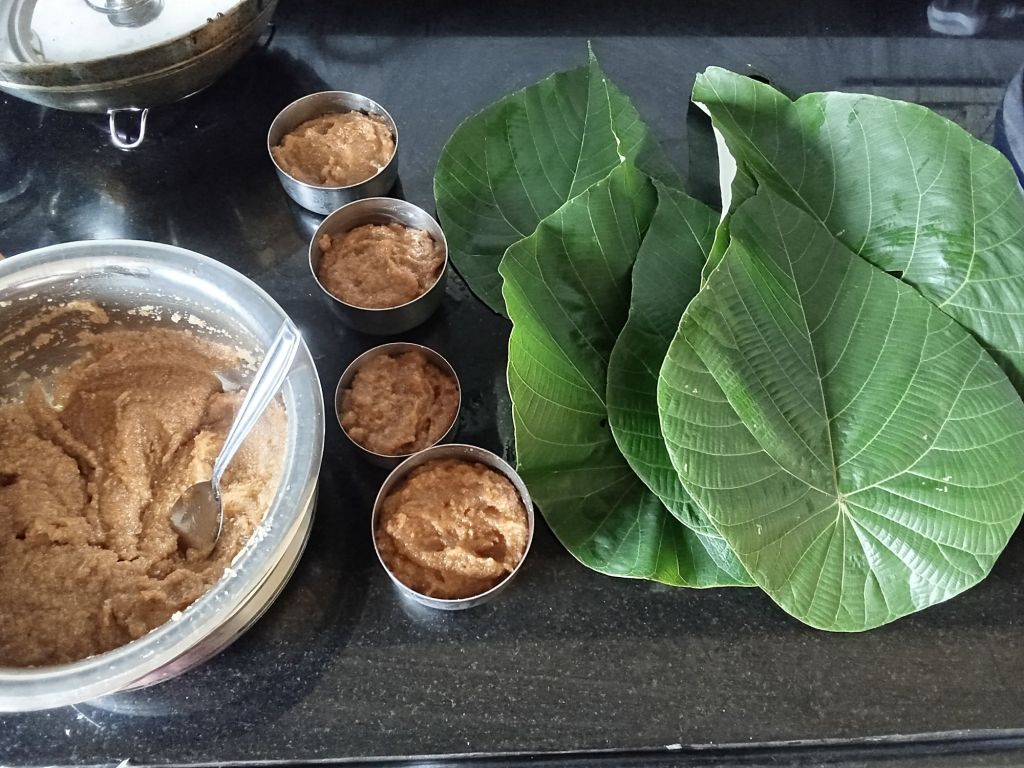
We have a Uppalige tree right in front of our house and what’s better than making ponsa mudho in uppalige leaves.. The aroma was divine and heavenly to say the least.. I steamed them in my grandma’s steamer or pedavan which Amma gave me when I came to this new house.. While it was steaming, I was reminded of the various dishes my grandmother and mother made in it and felt very nostalgic.. ❤️

Since Jackfruit is still in season, hope you will try these idlis or ponsa mudho as we call it. Happy and healthy cooking ❤️

RECIPE:

Ingredients: Makes around 12 to 15 idlis depending on how you steam it

3 Cups ripe Jackfruit segments (around 30)

1 Cup grated Coconut

1.5 Cups Jaggery powder

1.5 Cups Idli Rava or Rice Rava (can also replace with upma rava or bombay rava)

A pinch of salt

A pinch of Cardamom powder

Ghee to grease the idli container

Step by step recipe:

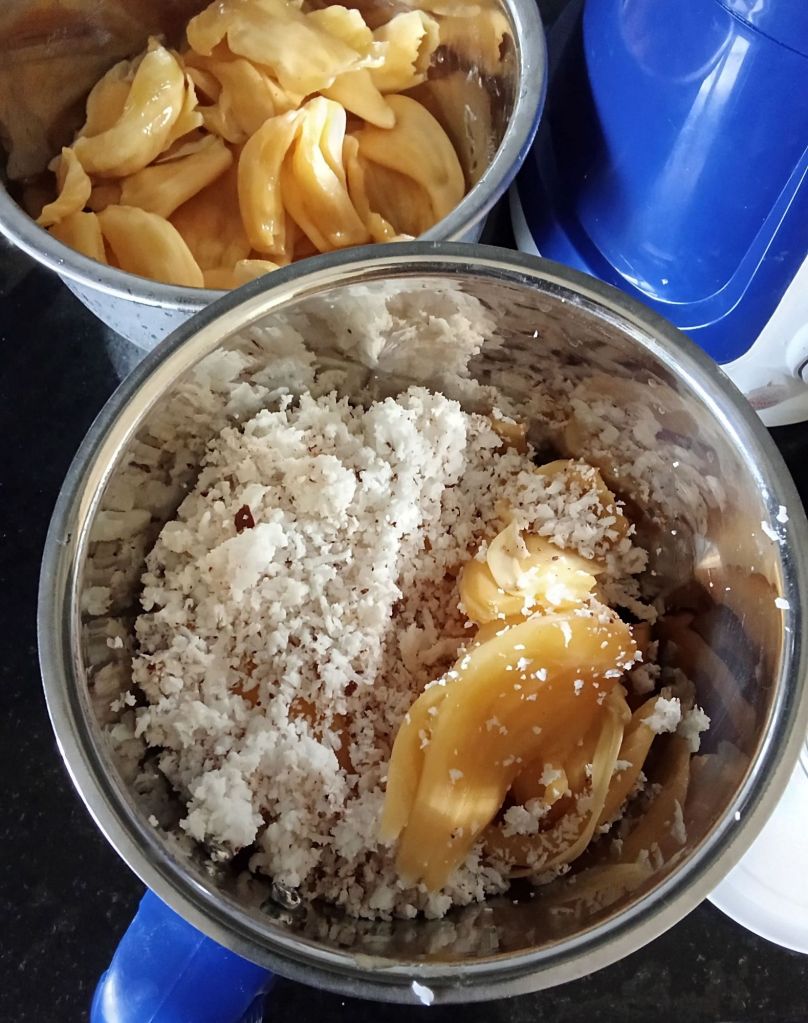
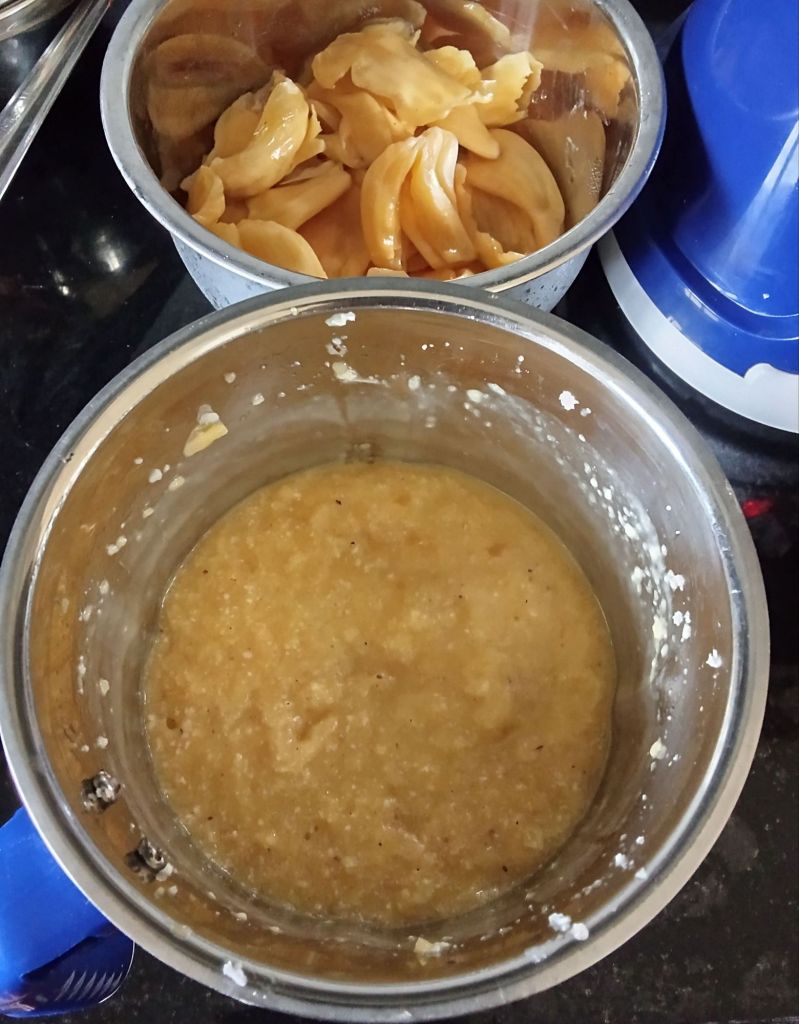
  1. In a mixer jar, add 3 Cups or around 30 ripe Jackfruit segments along with 1 Cup grated Coconut..

2. Grind to a smooth paste adding very little water only if needed. Do NOT add a lot of water. Add water only to aid grinding.

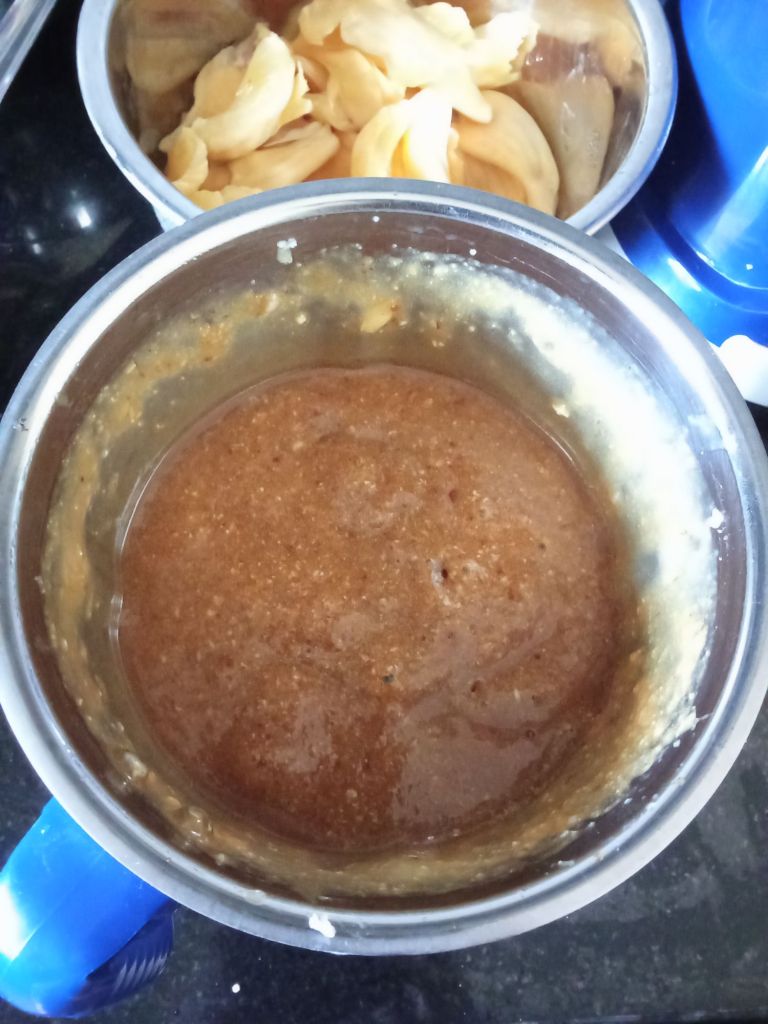
3. Now add jaggery powder and blend once again to a smooth paste.

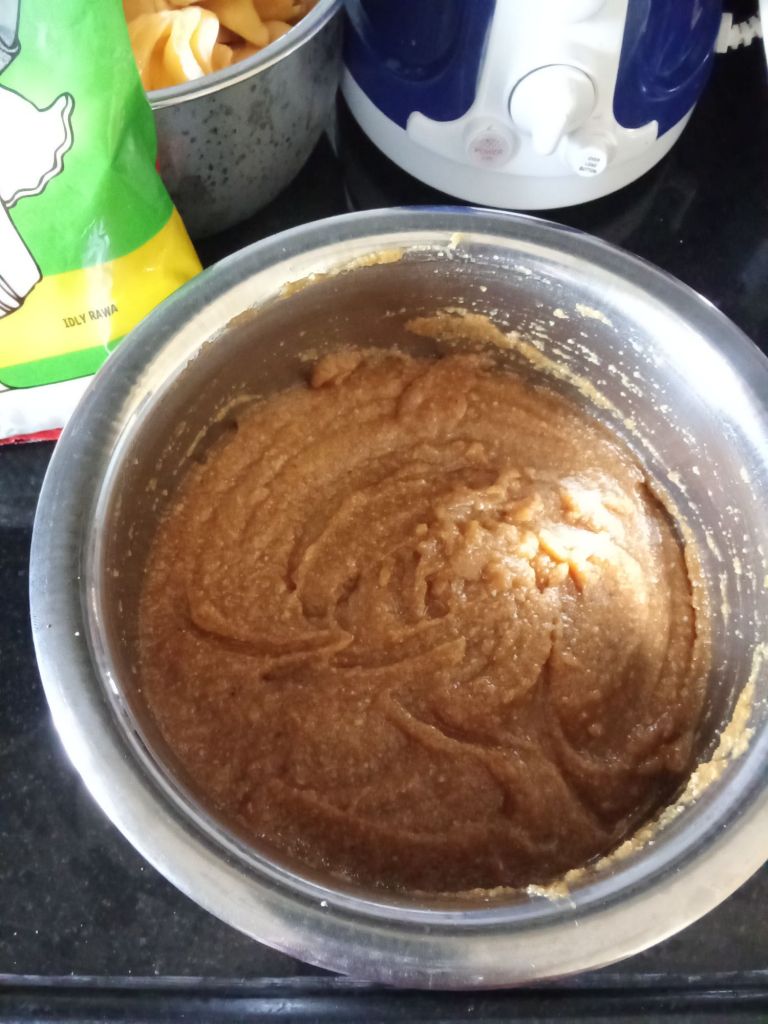
4. Add this into a bowl and add rice rava along with salt and cardamom powder. Mix well to form a thick batter.

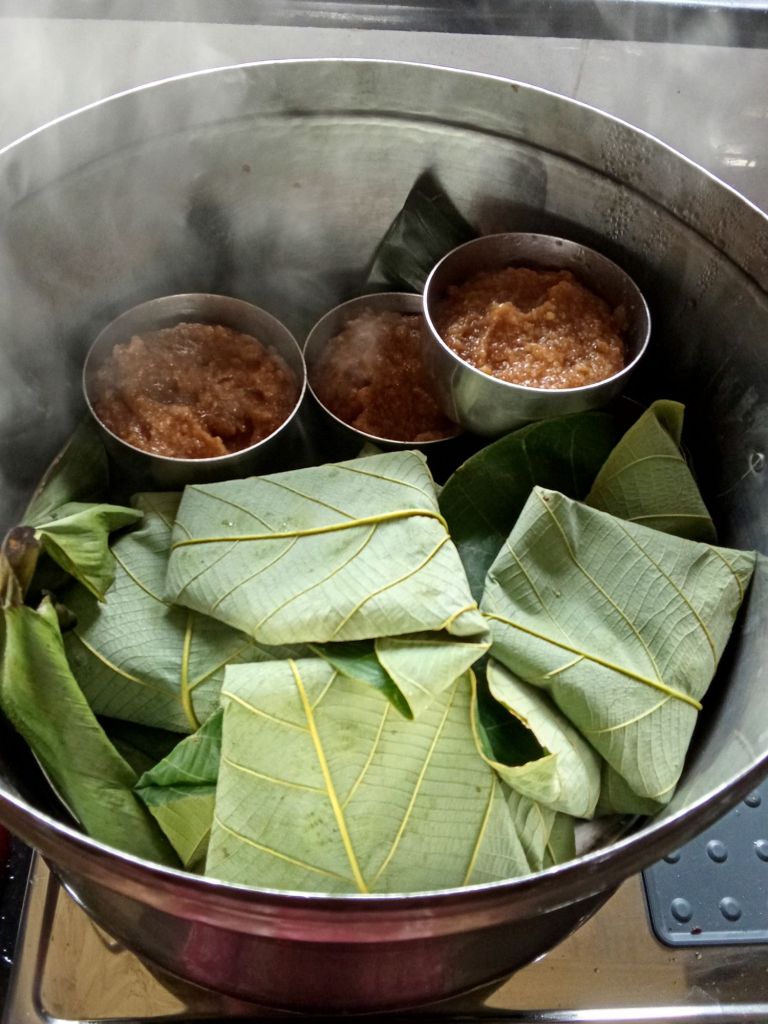
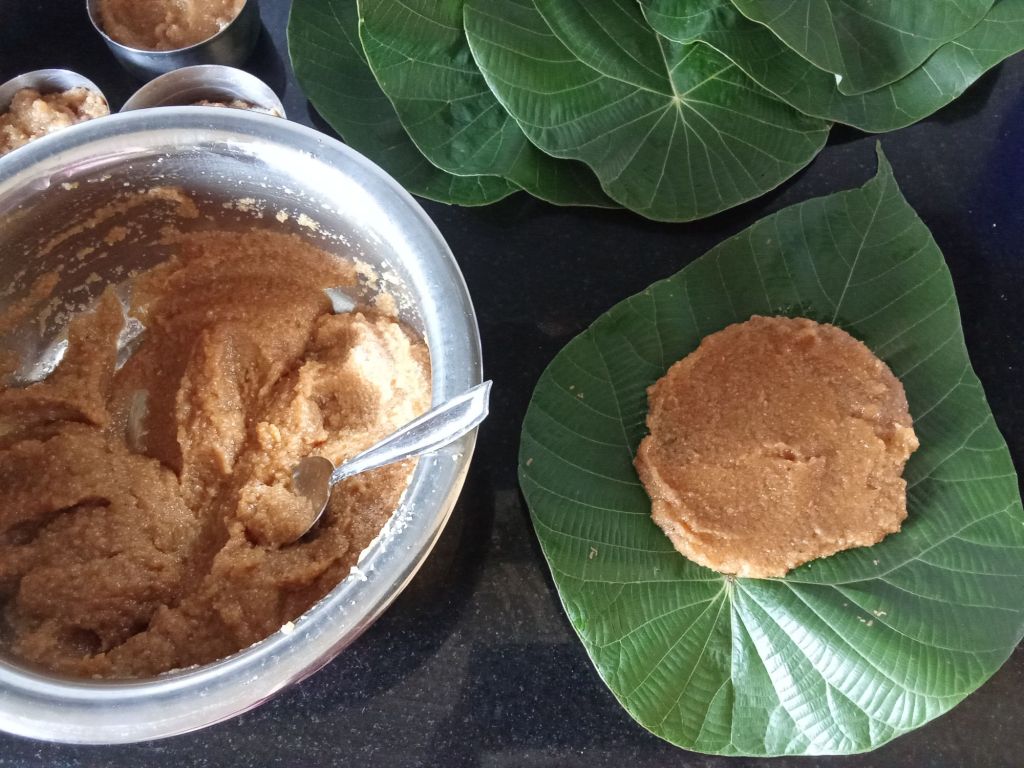
5. Now keep water to steam in a steamer. I used a pedavan as is called in Konkani. Meanwhile grease idli container with ghee. Add the batter into it. If using uppalige leaves or banana leaves, clean it by wiping with a cloth.

6. Now spread the batter in the center of the leaf as shown.

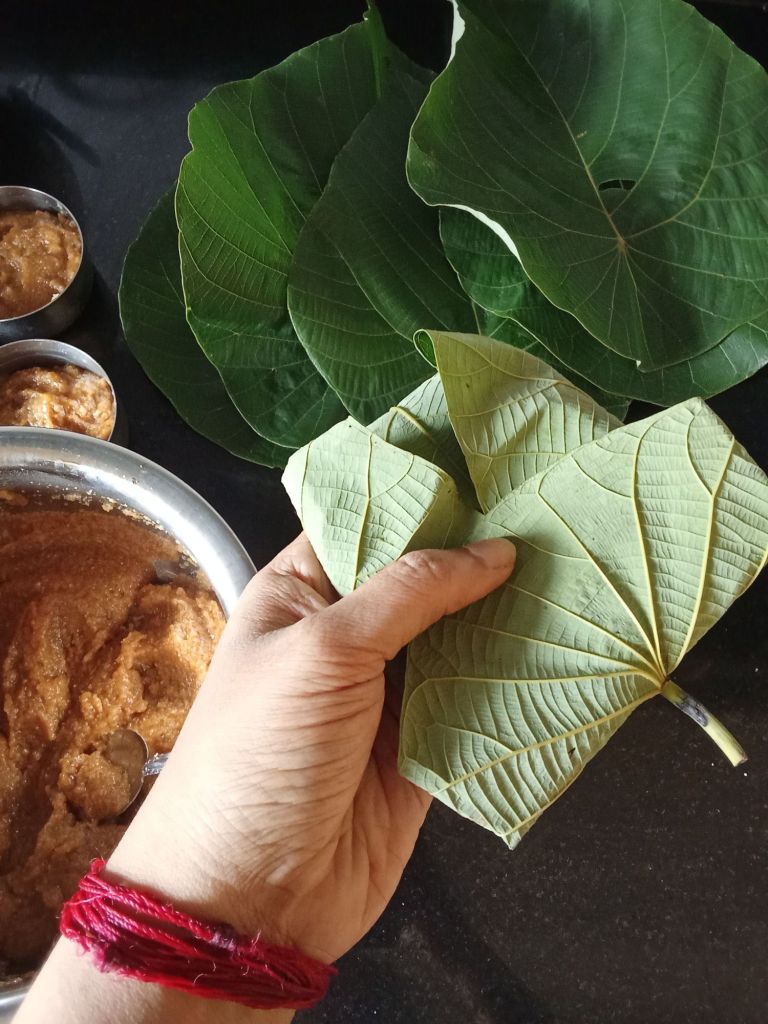
7. Fold from all sides and make like a little parcel.

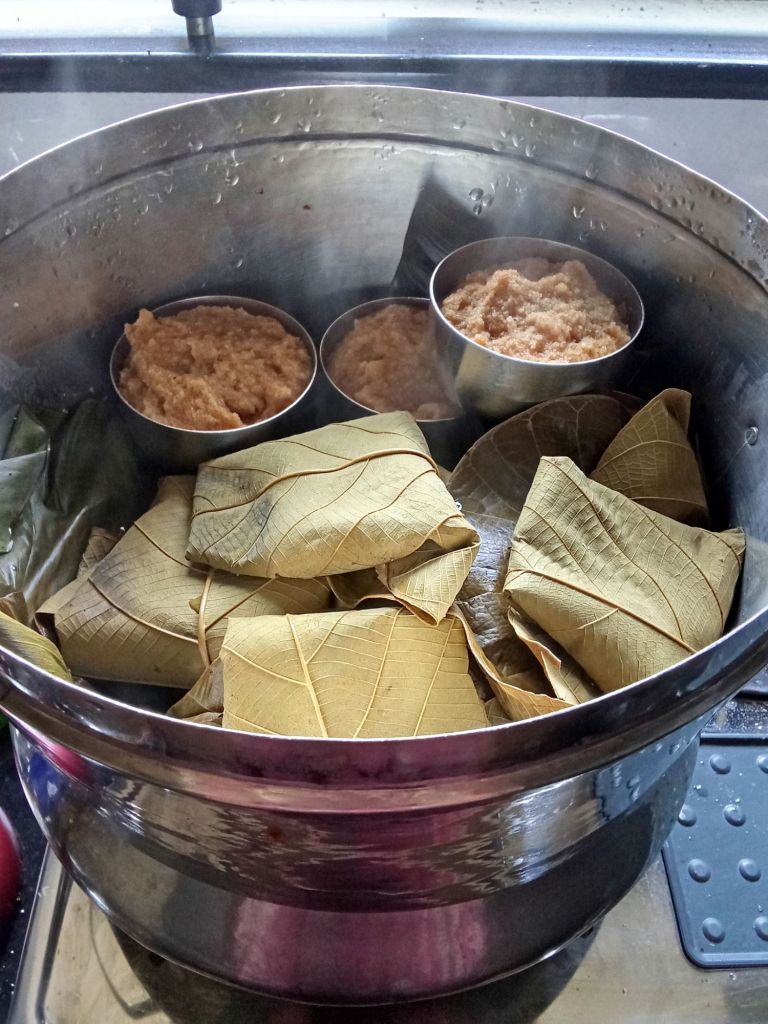
8. Place it gently in the steamer with the open side placed face down as shown. I have placed all these on a banana leaf inside the steamer. You can skip that if not available.

9. Steam covered on high flame for 20 to 25 mins.

10. Enjoy them warm with ghee.. 😍

Click on the picture to save the recipe of

Notes:

  • You can steam them in regular idli stand or even in banana leaves..
  • Idli rava or Rice Rava can be replaced by Bombay Rava or Upma Rava.. Quantity will vary slightly depending on the texture of the rava. Just make a thick batter and not very free flowing.
  • Jaggery powder is to taste. You can vary as per your choice.
  • I have compiled all my variety idli recipes in one page.. Here is the page:
  • Idli recipes Collection

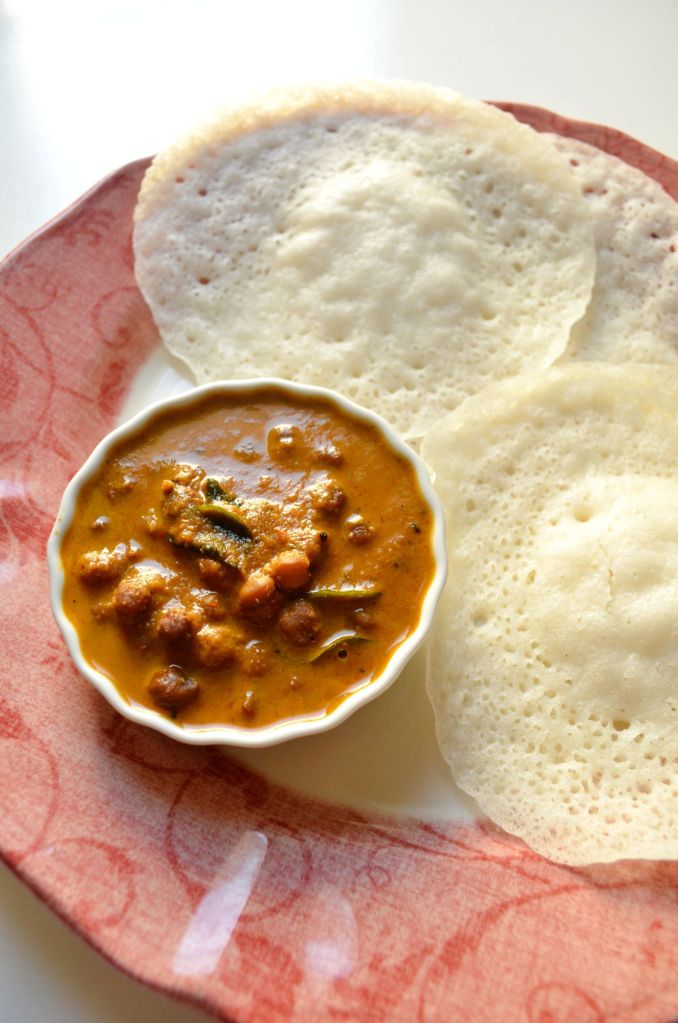
Appam with Kadala curry | Kerala breakfast recipe

Click on the picture to save the recipe on Pinterest

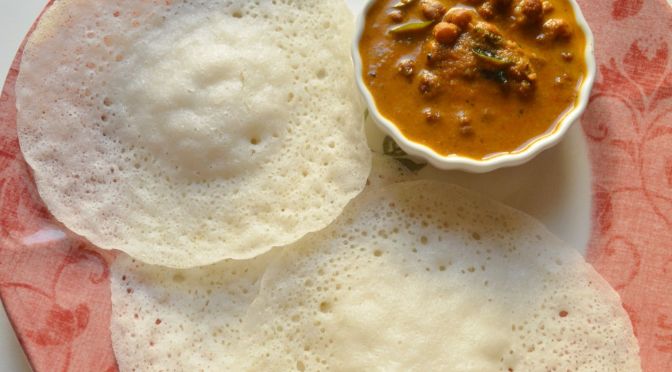
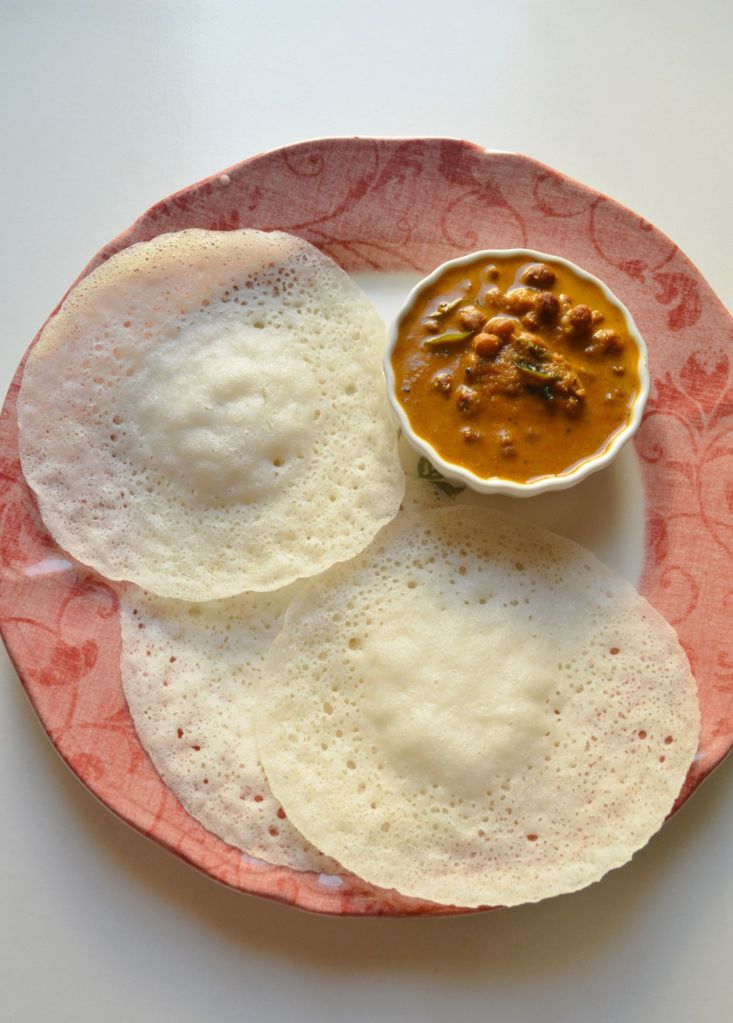
My mouth waters looking at the picture above even as I type this. That much I love Appam and Kadala curry. It’s one of my favorite breakfast combination and I feel very happy each time I make it.. Happy that finally I have learned to make perfect appam and a delicious tasting Kadala curry at home.

Growing up in Kerala, I have enjoyed Kadala curry with puttu, porotta and appams. My dad used to bring it as a treat from little hotels called thattu kadas and we used to relish it like anything. But I never thought I would learn to make it at home.

Over the years, I have tried many methods but finally with this one way, it comes out perfectly each time and I have stuck to it now. My kids love it a lot too. So I make it atleast once a week.

Sharing the recipe for those who want to make appams at home too. Hope you all try and love it. Happy and healthy cooking ❤️

RECIPE:

Ingredients:

1 Cup = 240 ml

2 Cups White Raw rice

1/2 Cup thick Poha/ Aval/ flattened rice

1/2 Cup Coconut (desiccated or fresh)

1 Tbsp Sugar

1/4 tsp Instant yeast

Salt to taste

Step by step recipe:

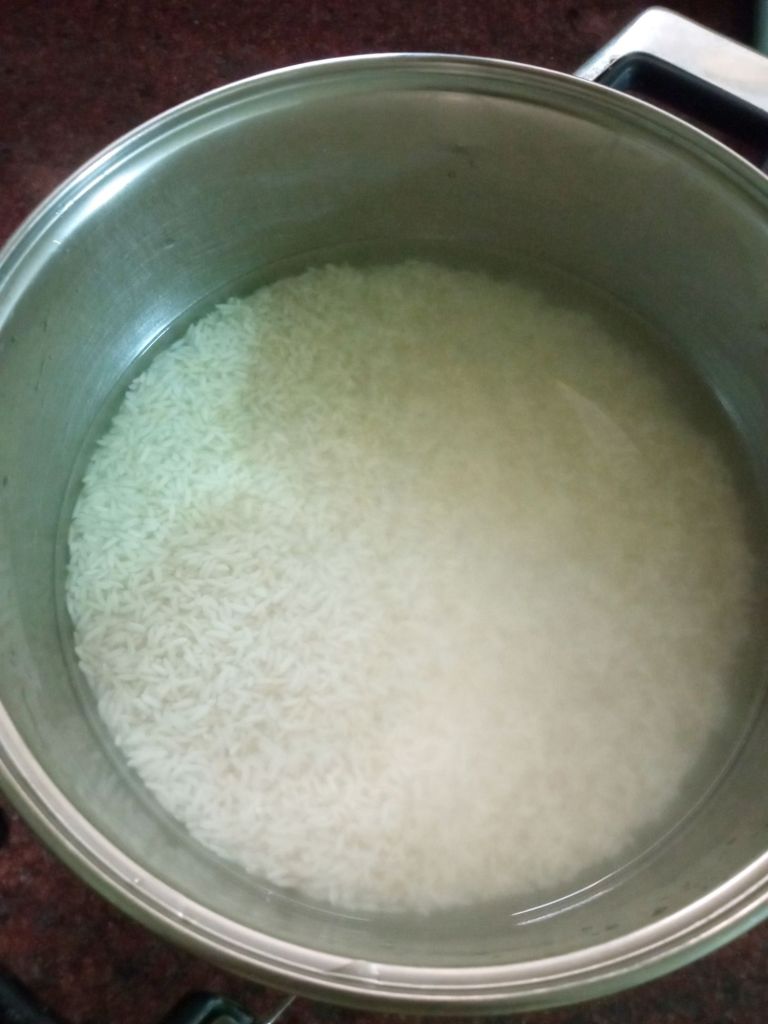
  1. Wash well and soak raw rice in double the water for atleast 4 hours.

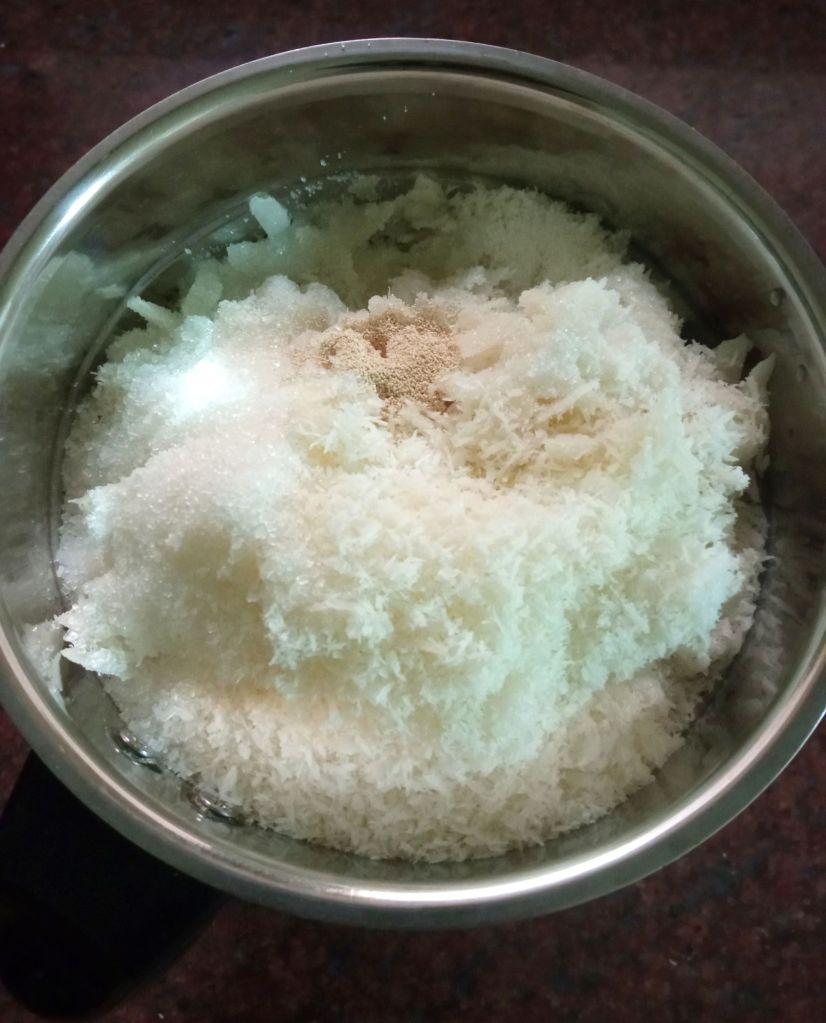
2. Once soaked, drain all the excess water and add to a mixer jar along with washed poha, coconut, sugar, salt and yeast.

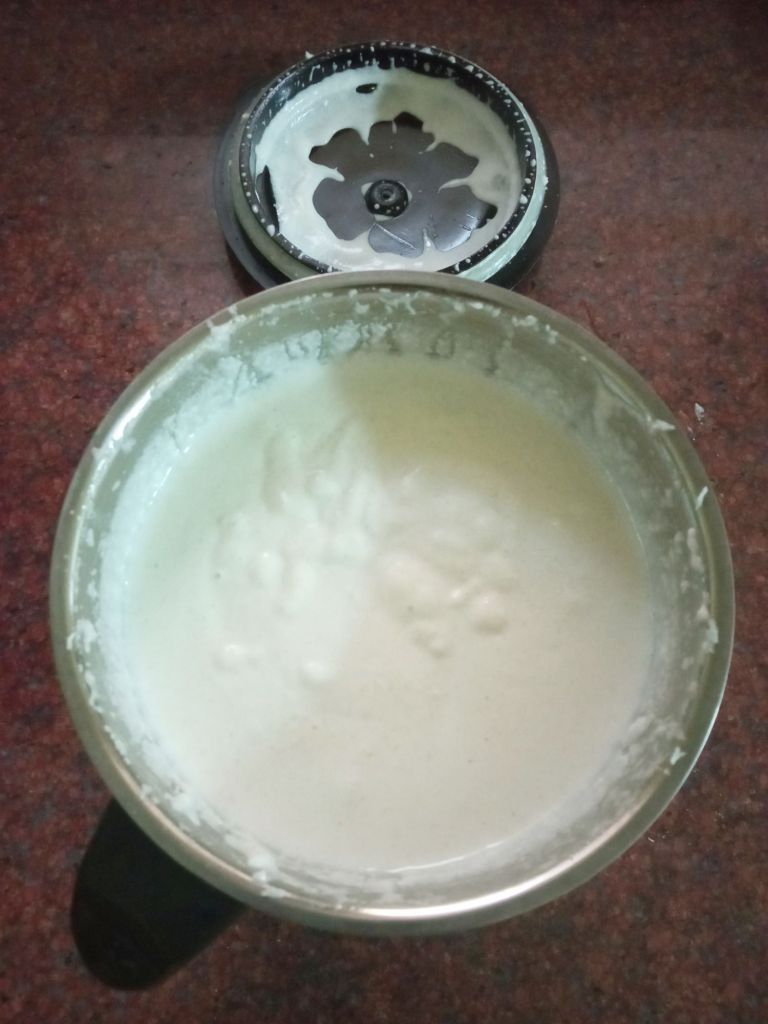
3. Add water as needed and grind to a smooth paste.

4. Now, add to a large vessel and make the batter to a consistency slightly thinner than Dosa batter. It should not be thick like dosa batter as it won’t spread well on the appam pan. Should be of free flowing consistency.

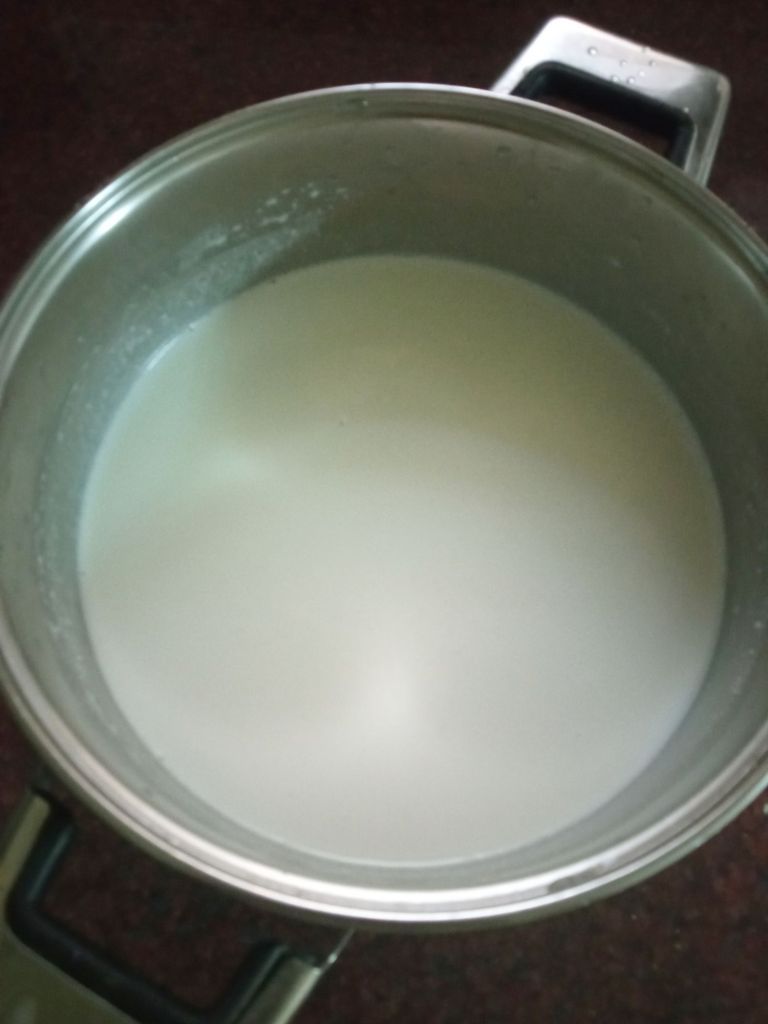
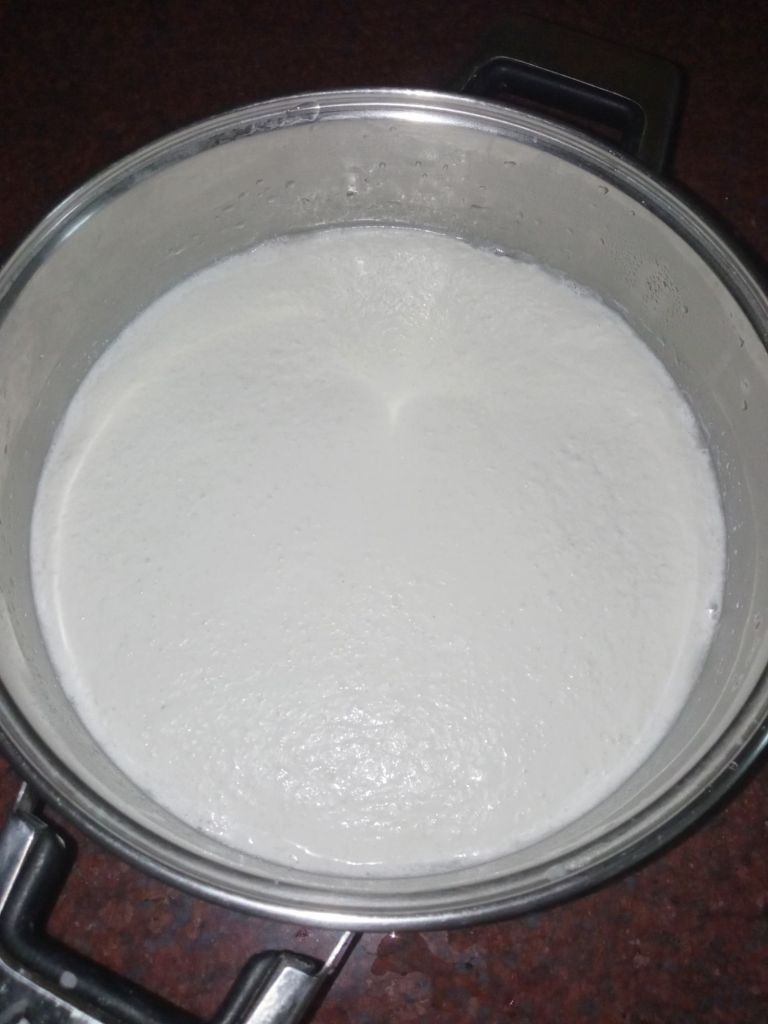
5. Now keep it covered in a warm place for 4 to 6 hours. In warm climate, the batter ferments very quickly but in cold climate, it takes 6 hours to ferment. The batter will rise as shown and you can get the fermented aroma.

6. I refrigerate the batter after this for next day morning breakfast. I soak rice in the morning, grind by noon and allow it to ferment till night. Then I refrigerate.

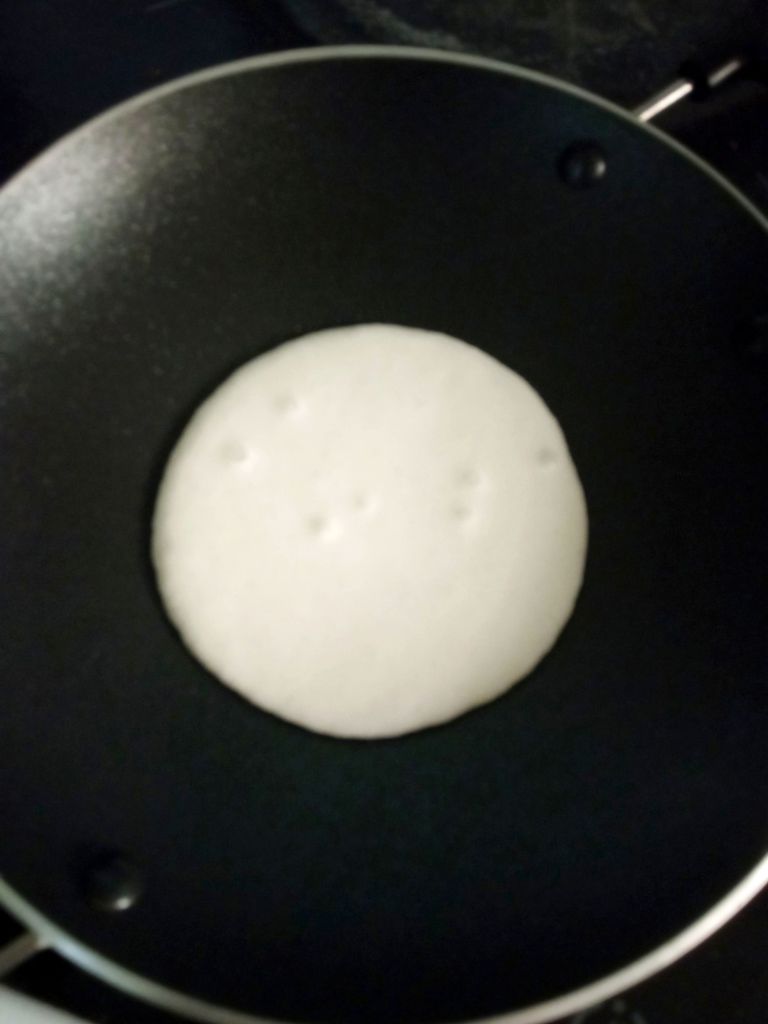
You can make appams as soon as the batter ferments. Just heat the appam pan and pour a ladle of batter in the center.

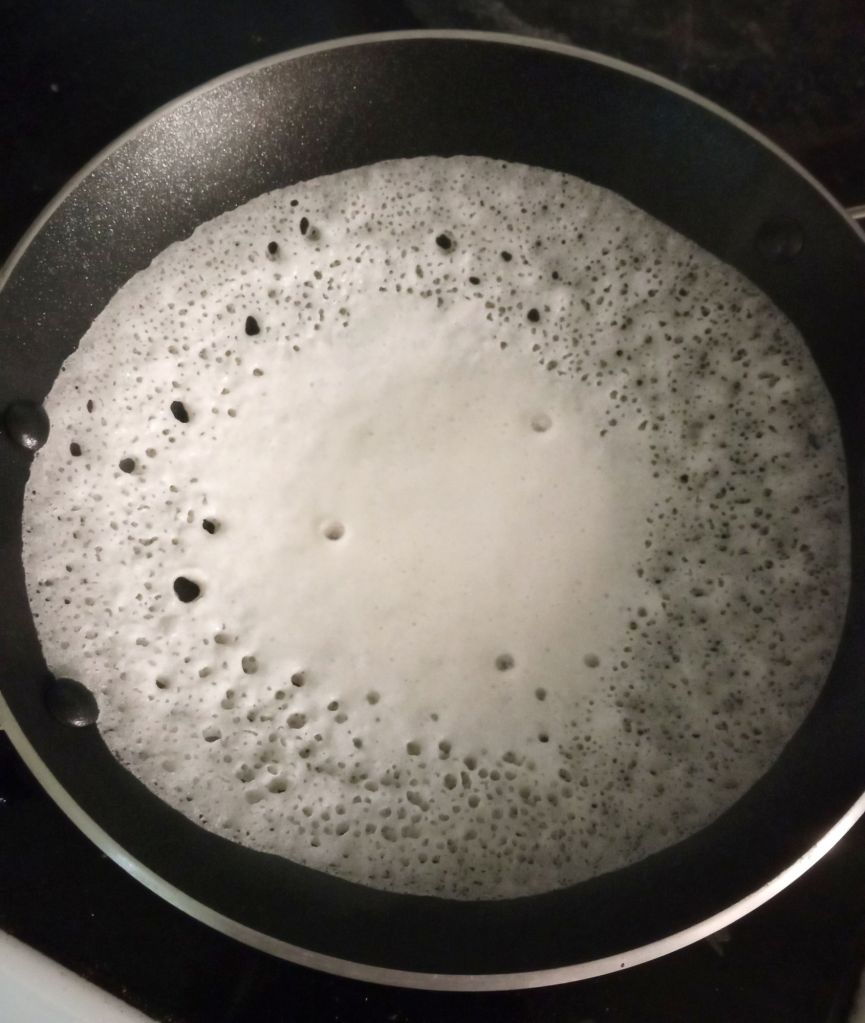
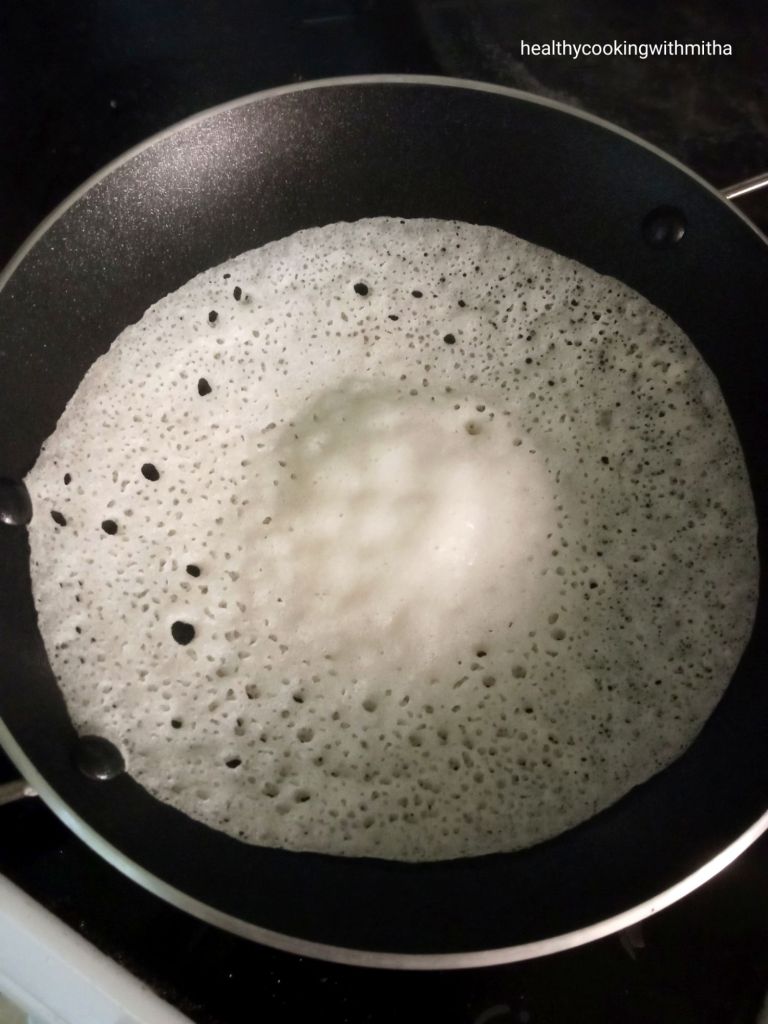
7. Now hold the pan handles and turn it in anti clockwise direction such that the batter spreads in a circle too. Center will have more batter and sides will be thin for appam.

8. Cover and cook till the appam cooks well and the edges will release itself from the pan. If the center is thick, make sure it’s cooked well before removing from pan.

9. Remove from pan and enjoy appams with piping hot Kadala curry.

Click on the picture to save the recipe on Pinterest

Notes:

  • Any variety of white rice will work for this recipe.
  • I use thick poha, you can also use thin poha. Just wash before adding to the mixer jar.
  • Both fresh and desiccated coconut works well for making appams.
  • I use instant yeast while making appams. Have not used active dried yeast. So can’t say about the measurements.
  • If you live in a very cold place, you can also use 1/2 tsp Instant yeast in this recipe for faster fermentation of the batter.
  • With 1/4 tsp yeast, the batter ferments slowly but you hardly get the flavour of yeast in the appam.
  • The batter consistency should be thinner than regular Dosa batter. Else it will be difficult to swirl the batter in the pan.
  • Serve it with Kadala curry.
  • You can also serve appams with Vegetable Stew.

Kadala curry | For Appam, Puttu, Chapati, Porotta, Dosa

Click on the picture to save the recipe on Pinterest

Kadala curry is not just any curry but an emotion for me as someone who’s grown in Kerala. I can have it with anything as you can see from the heading of this recipe. May it be with Appams, puttu, porotta, chapati or even dosa. I absolutely love the flavours of Kadala curry. 😍

I am writing this recipe as a continued post to Appam recipe . So you can check that as well. Appam with Kadala curry is definitely a match made in heaven. ❤️

Hope you all try and love this combination too. Happy and healthy cooking ❤️

RECIPE:

Ingredients:

1 Cup = 240 ml

1 Cup black chickpeas/ Chana

1 Tbsp Coconut oil

2 tsp Mustard seeds

A sprig of curry leaves

1/4 tsp Turmeric powder

1/4 tsp Pepper powder

2 tsp Coriander powder

2 tsp Red chilli powder

Salt to taste

To fry and grind:

2 tsp Coconut oil

1 tsp Cumin seeds/ Jeera

1/2 tsp Fennel seeds/ Saunf

A sprig of curry leaves

2 Cloves

1 inch piece of Ginger

4 to 5 Garlic cloves

1 large Onion

1 large Tomato

1/4 Cup Desiccated or fresh Coconut

Step by step recipe:

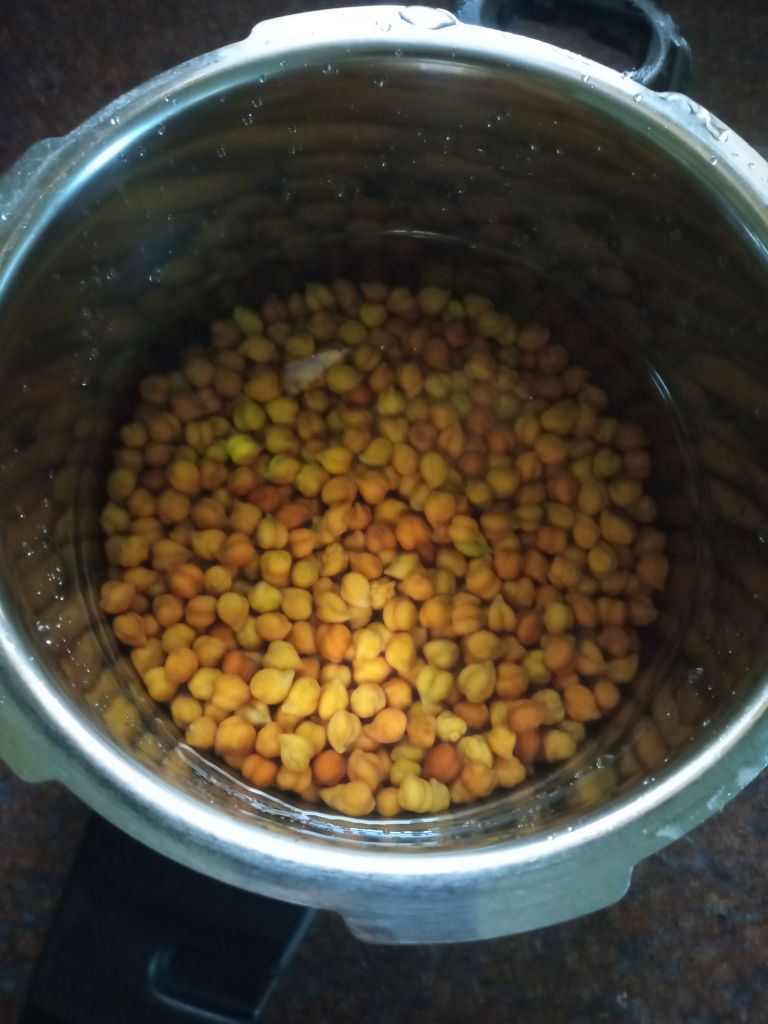
  1. Wash well and soak the black chickpeas overnight or for 8 hours..

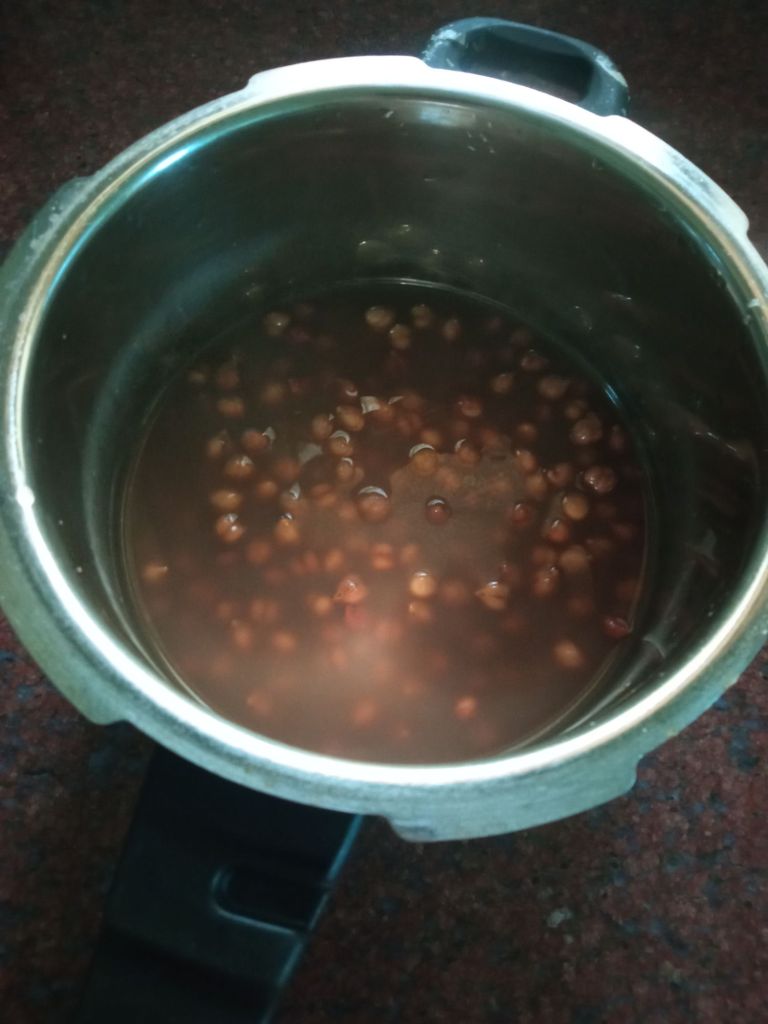
2. Drain the soaked water.  Add fresh water for atleast 1 cm above the level of chickpeas and pressure cook till soft. I have electric stovetop and I keep it for 15 mins on low flame after one whistle.

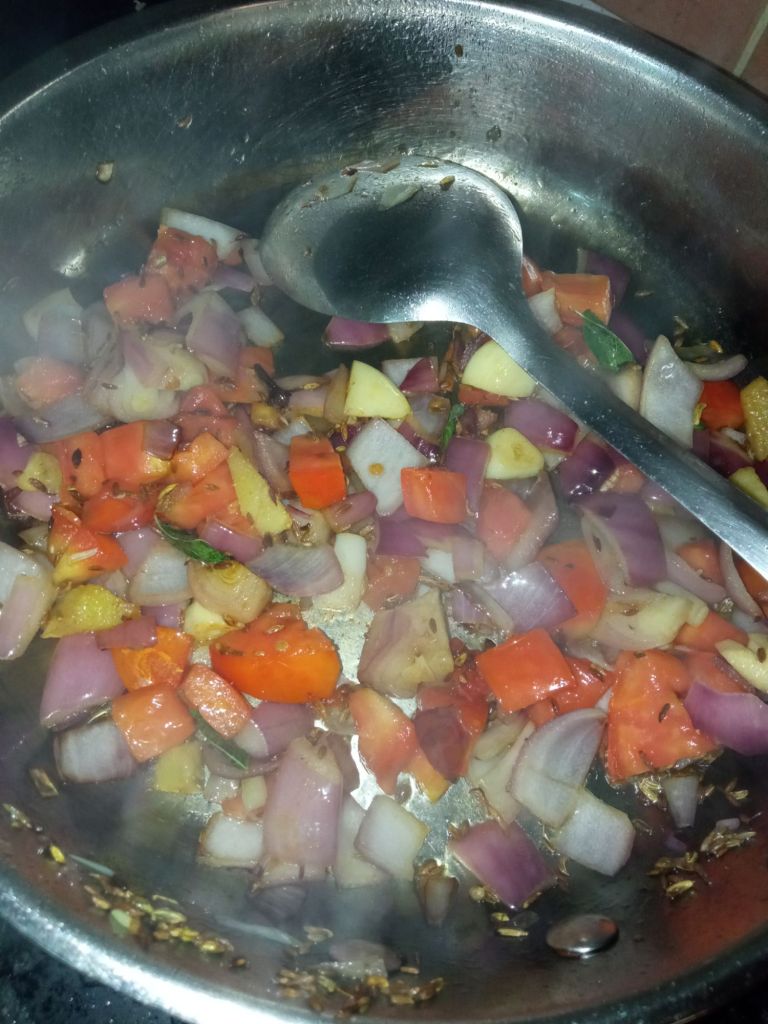
3. Now heat Coconut oil in a pan and add all ingredients mentioned under “to fry” one by one. Start with cumin seeds, fennel seeds, then add curry leaves, fry ginger garlic, then add onions. Once onions turn translucent, add tomatoes.

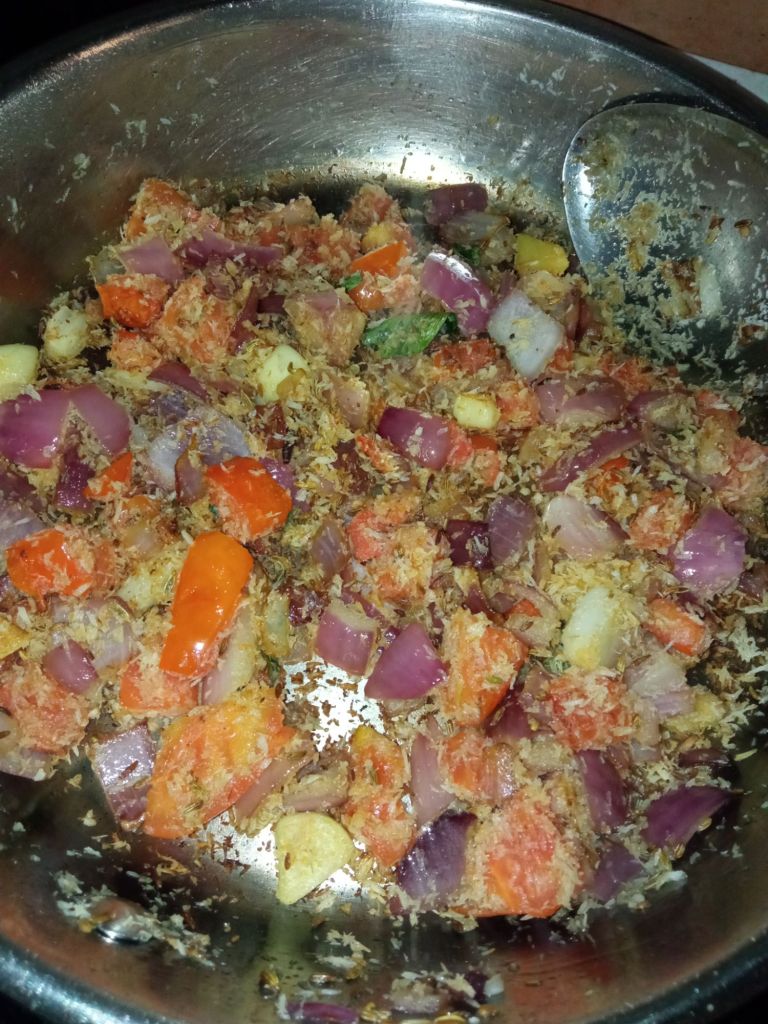
4. Once tomatoes turn soft, add coconut and fry for few minutes.

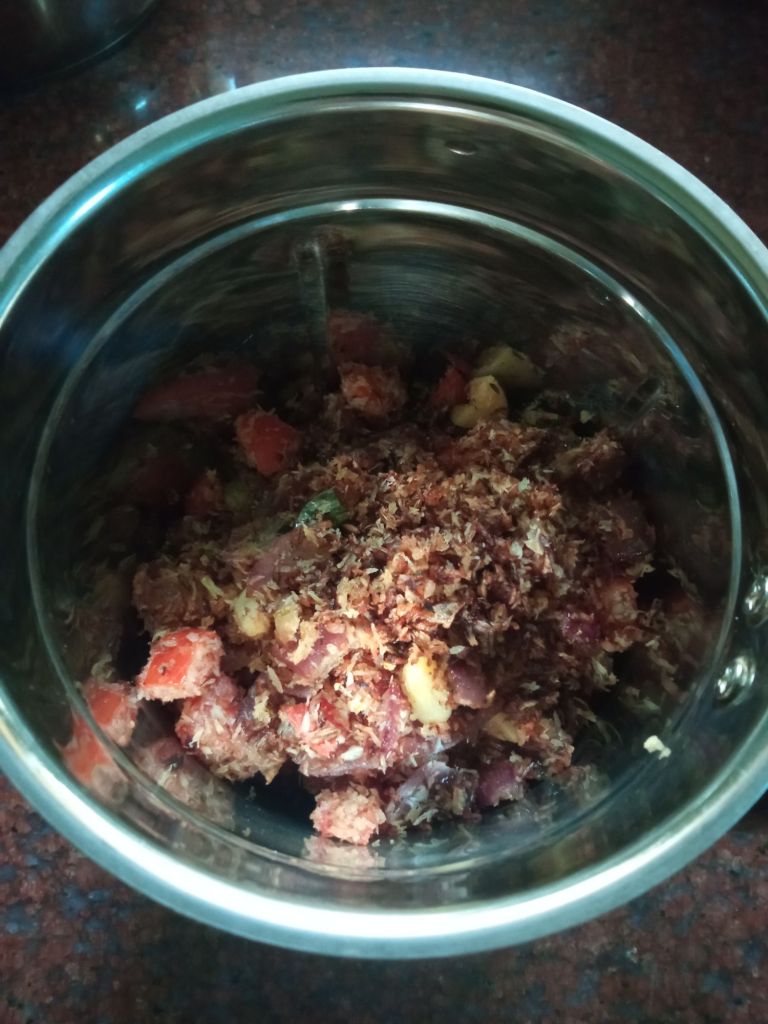
5. Remove from flame, allow it to cool. Once cooled, add to a mixer jar.

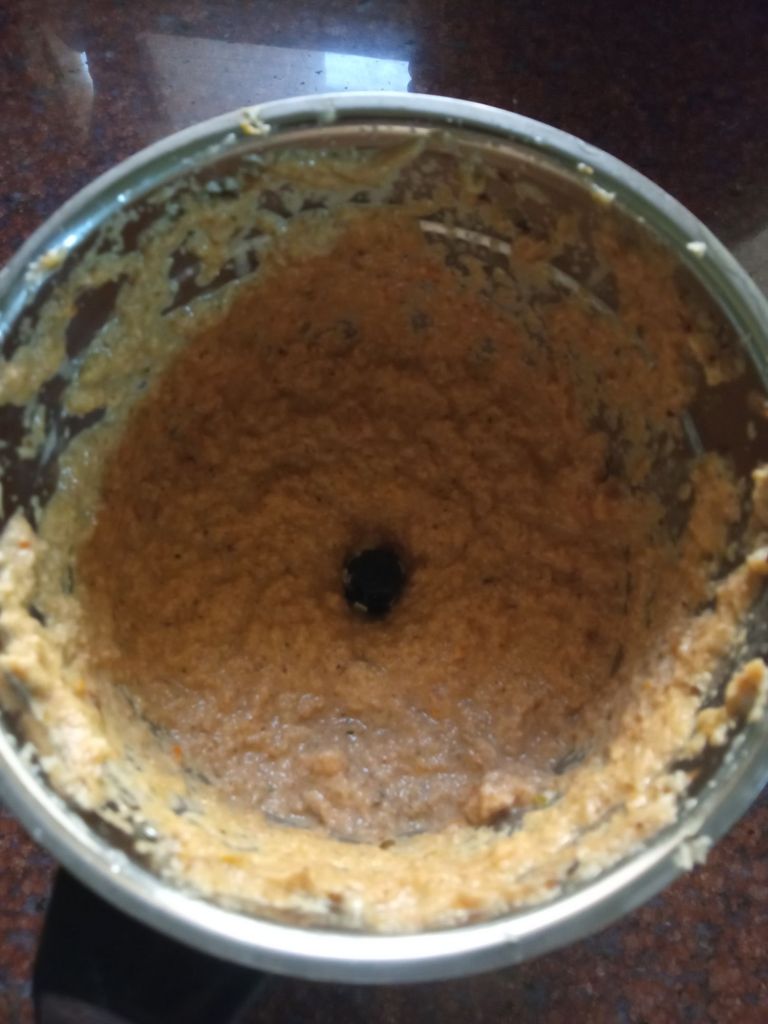
6. Grind to a smooth paste adding little water.

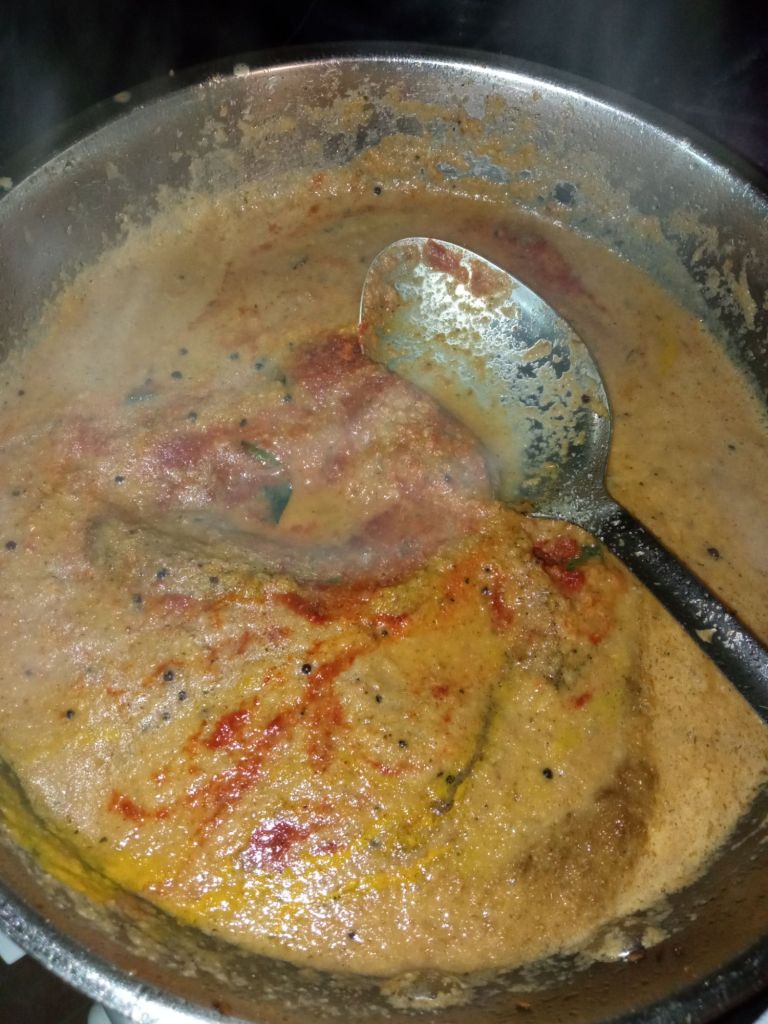
7. Now heat the pan again adding Coconut oil. Add mustard seeds and allow it to splutter. Add curry leaves and fry. Now add the ground paste. Mix well.

8. Now add turmeric powder, pepper powder, coriander powder and red chilli powder along with salt. Mix well.

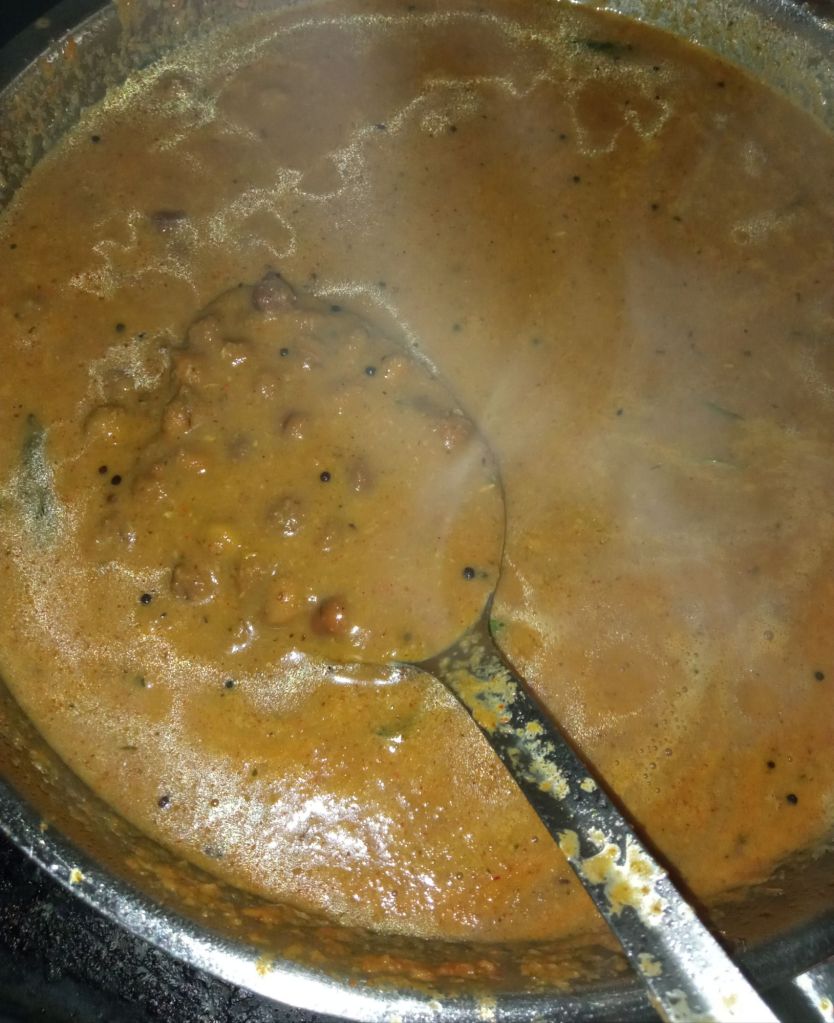
9. Add cooked chickpeas and boil it in the masala for about 10 to 15 mins till the chickpeas absorb the masala. Mash a little of the chickpeas with a masher to make the gravy thick..

10. Serve Kadala curry with Appams, Puttu, Chapati, Porotta or Dosa.

I have served it with Appams and the combination is amazing 😍

Click on the picture to save the recipe on Pinterest

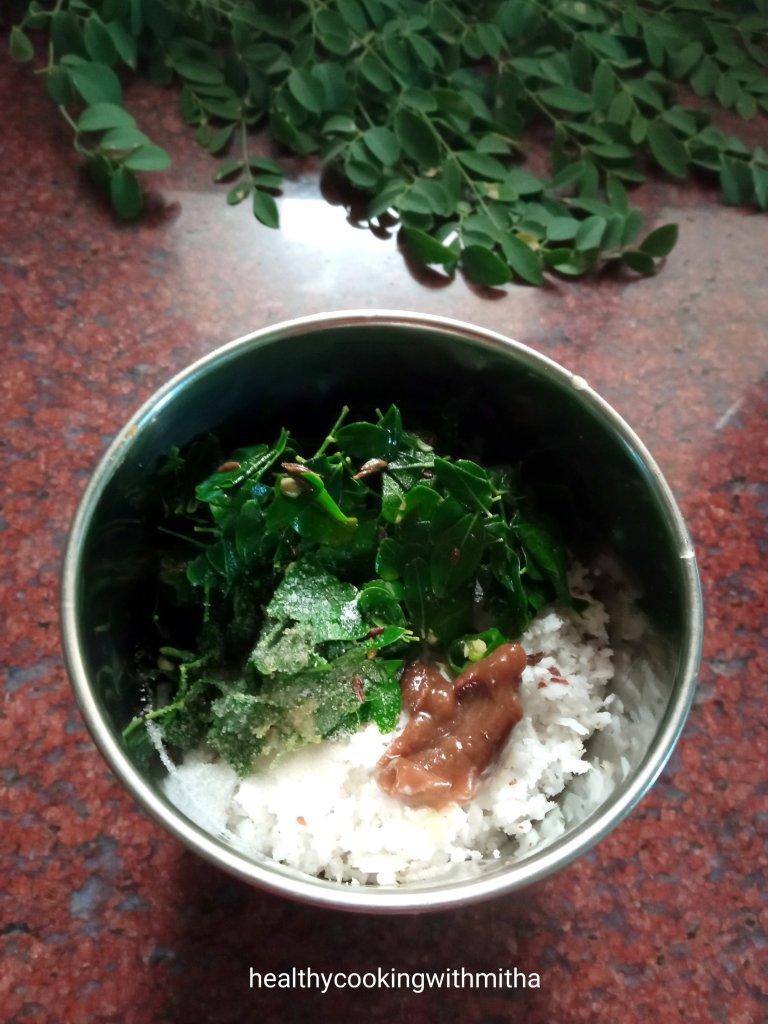
Moringa leaves chutney | Easy chutney with drumstick leaves | Mashinga palle chutney

Click on the picture to save the recipe on Pinterest

Whenever I hear or read jokes about how healthy food can never taste good, I feel a little bad but get even more motivated to change the notion through my blog. “Food is medicine to the body” – that’s what I believe in and try to include carbs, protein, fat, vitamins and minerals in every meal I make.

Specially after I became a mother, I realized I have to make the meals in such a way that not only are they healthy but kid friendly as well. Gratefully, they eat almost everything I cook and I think it’s because I started giving them regular food as soon as they turned 6 months. No baby food or purees. Just normal idli, dosa, rice, chapati with chutneys and curries.

In chutneys, I try to include greens depending on the season and during winters, I definitely make Sambarpalli or Ajwain leaves chutney and this Moringa leaves chutney as it’s very healthy and great for immunity. They don’t realize it has superfoods in it and enjoy it with their dosas and idlis.

The flavour is just like any restaurant style green chutney and there is no bitterness of moringa at all. A must try chutney for sure. Hope you all try and love it too. Happy and healthy cooking 💚

RECIPE:

Ingredients: { Serves three to four people}

1 Cup = 240 ml

1 Cup Moringa leaves/ Drumstick leaves (after stems are removed)

3/4 Cup freshly grated Coconut

3 Green chillies

1 tsp Cumin seeds/ Jeera

1 tsp Coconut oil

1 tsp Tamarind paste

Salt to taste

Step by step recipe:

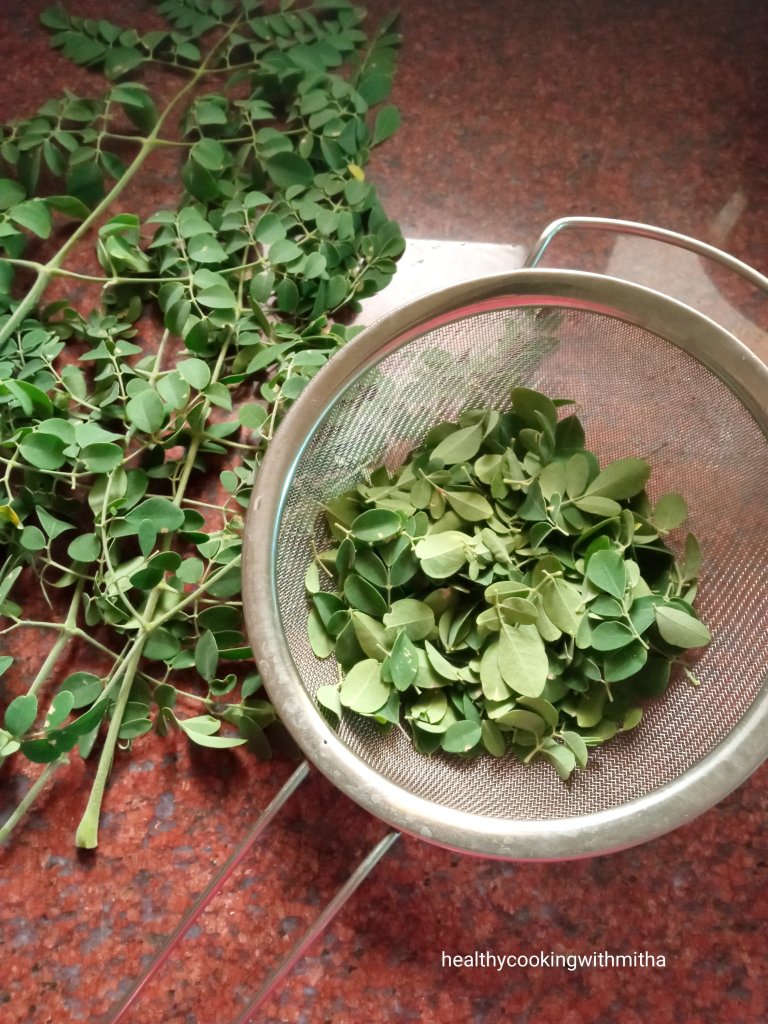
1. Pluck the leaves from the stem as shown. Place in a sieve or a colander and wash well. Keep aside.

2. Heat oil in a pan. Add cumin seeds and fry for few seconds. Now add chopped green chillies and the washed moringa leaves.

3. Keep frying for a minute till the leaves are well roasted in the oil. Remove from flame. Allow it to cool.

4. Now take coconut gratings in a mixer, add the fried leaves mix, tamarind paste, salt and little water.

5. Add water while grinding as needed and grind to a smooth paste. Pour into a bowl. Chutney is ready to serve.

I served it with Panpolo or Neeru dose and it was a heaven made match 🤍💚

Click on the picture to save the recipe on Pinterest

Notes:

* I do not season the chutney with mustard seeds/ curry leaf as I feel it’s not needed since we are frying the ingredients. You can season if needed.

* I make the same chutney with Sambarpalli or Ajwain leaves. You can substitute Moringa with Sambarpalli leaves too.

* This chutney can be served with idli, dosa, rice and even as a sandwich spread. Tastes really delicious.

* Don’t skip cumin seeds in this chutney as it enhances the flavour so much.

* You can check the recipe for Panpolo or Neeru dose here – Panpolo/ Neeru dose

* You can check all my chutney recipes here –

Chutney recipes collection

* My most favorite chutneys –

Amma’s Tomato Chutney

Peanut Onion Chutney
Pudina Lehsun Chutney
Coriander leaves Chutney
Hotel style Tomato Chutney

Walnut Chutney

Sambarpalli or Ajwain leaves chutney
* More dishes that I make with Moringa leaves-

* Mashinga Palle Sannamudho (drumstick leaves spicy idli)

* Drumstick leaves Aloo Roti

Kuvale Puli Koddel | Ash Gourd spicy, sour, sweet coconut curry | Konkani recipe

Click on the picture to save the recipe on Pinterest

I recently got a comment on my Surna Koot (elephant yam pickle) post from a really sweet reader who said she was pleasantly surprised to find a Konkani recipe on my blog. She had been following me for my baking recipes but never knew I was a Konkani too, just like her. All thanks to Mr Google for bringing up my Soorna Koot recipe and and connecting me with more of my Konkani family. ❤️

Even though I post many kind of recipes, what we eat regularly are dishes from our cuisine as that’s what comforts us the most. The flavours always takes us back to our childhood, those festive lunches together with family and the divine temple meals. Nothing can compare with the simple, soulful meals that are served at temples. ❤️

One dish that always reminds me of festivals and temple meals is Puli Koddel. This curry is a burst of flavours as you can see from the ingredient list itself and every bite is truly heavenly. ❤️

I know many of my Konkani friends already know the recipe and there might be changes in each of your recipe too but here’s sharing how I make it. Hope it is helpful to atleast some of you. Happy and healthy cooking ❤️

RECIPE:

Ingredients: ( 1 Cup = 240 ml )

1 medium sized Ash Gourd/ Kuvale/ Kumbalakayi/ Kumbalanga/ Petha (can replace with Mangalore cucumber or Bottle Gourd)

For masala:

1 Tbsp Coconut oil

1 Cup Coconut gratings

1 Tbsp white Sesame seeds/ Til

1 Tbsp Raw rice (uncooked)

1/2 Tbsp Coriander seeds

1 tsp Cumin seeds/ Jeera

1 tsp Mustard seeds

1 tsp Fenugreek seeds/ Methi

5 to 6 Dry Red chillies or to taste

1/2 Tbsp Tamarind paste or to taste

2 Tbsp Jaggery or to taste

A pinch of Asafoetida/ Hing

For seasoning:

1 Tbsp Coconut oil

1 tsp Mustard seeds

A sprig of Curry leaves

Salt to taste

Step by step recipe:

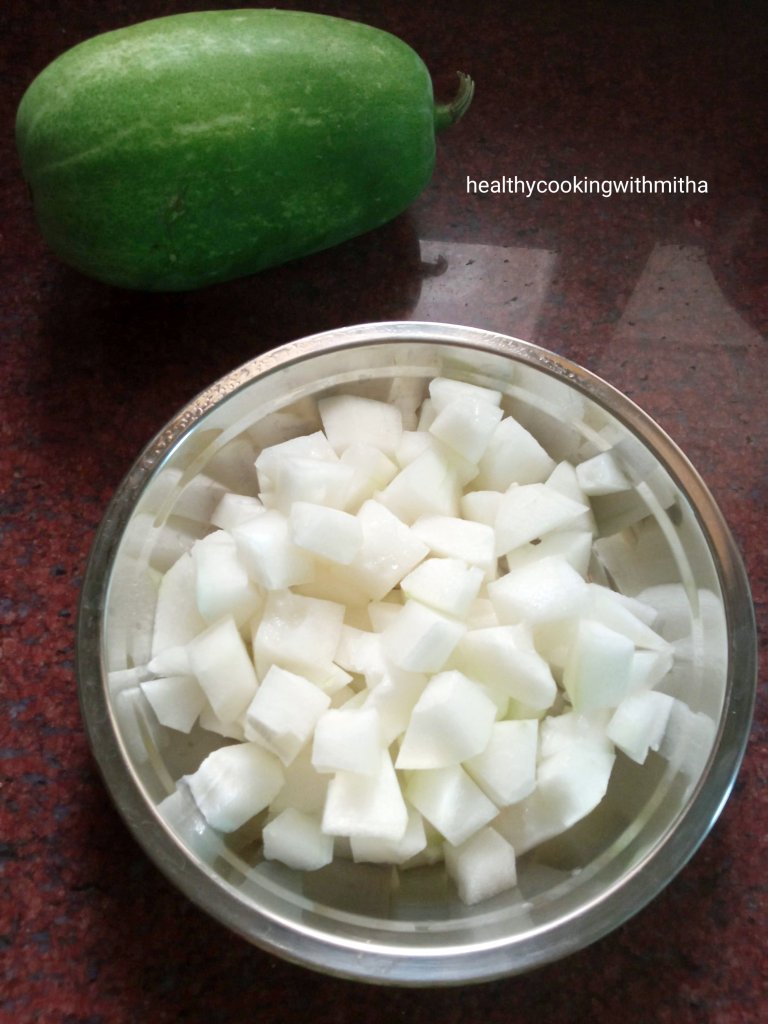
1. Wash and peel the Ash gourd. Remove the core. Now cut the white portion into bite sized pieces as shown.

2. Add to a bowl or pressure cooker with water just enough for it to immerse. Cook till it turns soft.

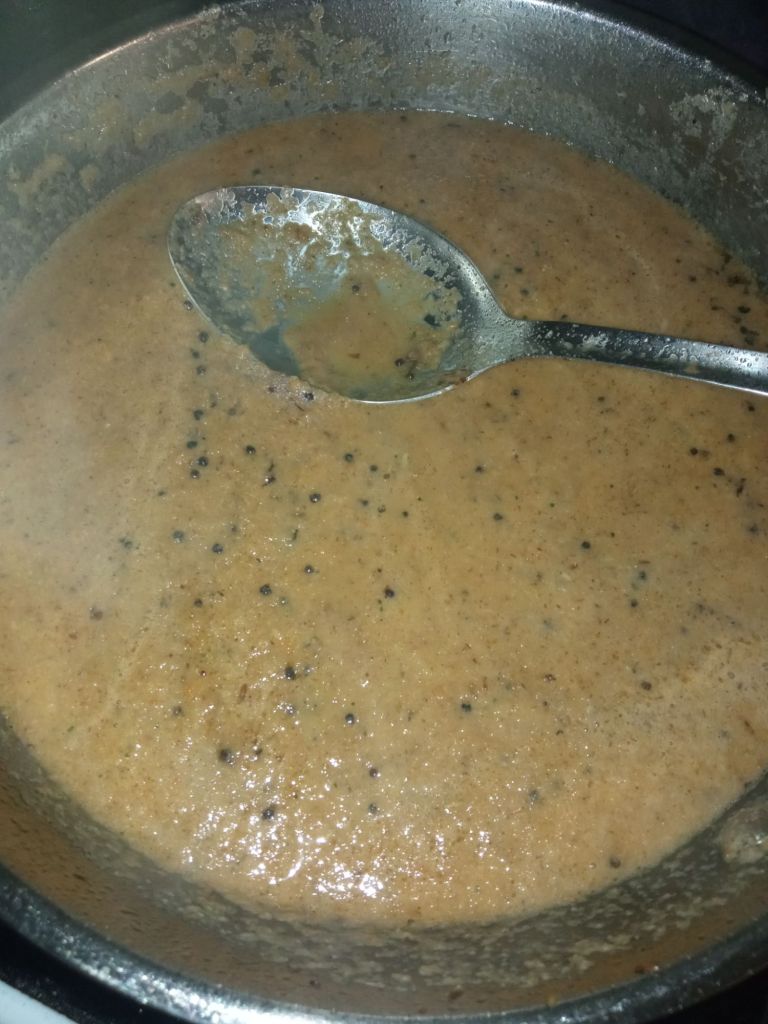
3. Meanwhile heat coconut oil in a pan and add in the order, mustard seeds, cumin seeds, fenugreek seeds, Coriander seeds, raw rice, sesame seeds, Red chillies and coconut gratings. Roast till the coconut turns brown in colour. Make sure the flame is medium to low as we don’t want to burn the spices. Remove from flame. Allow to cool.

4. When it cools down, add to a mixer along with tamarind paste, hing and jaggery. Grind to a smooth paste.

5. Now in a pan, combine the masala and the cooked Ash gourd pieces. Allow it to come to a boil on high flame and then cook on medium flame for about 10 mins so that the Ash gourd pieces absorb the masala. Also add salt. Check for the jaggery and tamarind paste. If needed, add more. Also adjust thickness by adding little water if necessary.

6. Now prepare seasoning by heating coconut oil, adding mustard seeds, allowing it to splutter, add curry leaves. When it turns crisp, remove from flame, pour over the curry.

7. Puli Koddel is ready to be enjoyed with rice and papad. For Konkanis reading this, we have it with Ukde sheeth ani batate happolu. Heavenly meal ❤️

Click on the picture to save the recipe on Pinterest

Notes:

* As mentioned above, you can replace Ash Gourd with Mangalore cucumber ( Magge) or even Bottle Gourd (Gardudde). I do it when Ash gourd is not available.

* Even Ash gourd is available in different varieties and the one shown in the picture is what I used here. You can use any variety for this curry.

* The rice used in the masala is raw rice. Please don’t use cooked rice.

* Roast the ingredients on medium to low flame and don’t burn it. Else the taste of the curry will not be good.

* Red chillies, jaggery and tamarind measurements can change as per your individual preference. If you like it more sweet, you can add more jaggery, else one Tbsp will be enough. Same is for tamarind too.

* I have been sharing many Konkani recipes on the blog. Will share some of my favorites below.

* Tendle Kajjubi Upkari (ivy gourd cashew stir fry)

* Surna Koot (elephant yam pickle)

* Mashinga palle Sannamudho (drumstick leaves idli)

* Sambarpalli Chutney (ajwain leaves chutney)

* Magge Sasam (Mangalore cucumber curry)

* Muga Dali Kosambari (Moong dal salad)

* Chane usli/ Godu Phovu

* Undi – Piyava Gojju

* Thoushe mudho (cucumber idli)

* Thoushe Bhakri ( cucumber dosa)

* Surnali ( sweet spongy dosa )

* Magge Surnali ( Mangalore cucumber sweet dosa)

* Batat Phovu

Ragi Ela Ada | Steamed Finger Millet snack | Vegan, Gluten free and Oil free

Click on the image to save the recipe on Pinterest

Kids’ schools have started after Eid holidays and days have started flying again. Waking up early, preparing their snack boxes, sending them to school, morning walk, cleaning the house, relaxing till they come back and after that hearing about their day at school, teaching them, walking again in the evening while they play outside, finally preparing for their next day at school and putting them to sleep.

Days are super busy but I would not want it any other way. I have realized being busy is actually great than sitting idle and overthinking. So it’s a blessing in disguise for me. ❤️

In midst of this, is cooking which I love and which brings me happiness. I listen to bhajans and songs while cooking which makes it so peaceful. Music is truly therapeutic. ❤️

Apart from breakfast, lunch and dinner, there is one meal of the day which is most difficult for me – Snack time. Finding a quick, healthy and tasty snack which the kids also love is very hard. So when I tried this Ragi ada inspired by my Kochi memories of the regular ada and it came out so well that we all loved it, I knew I had to share it with all of you too. ❤️

I don’t know why some people think Ragi is bitter. Ragi is such a tasty millet and I use it regularly in my cooking. It is tasty and very healthy too. Have shared all the recipes that I make using Ragi in the notes section towards the end. Do try and I think if you follow the recipe well, adapt it in your cooking, in few days, you will love Ragi too, just like we do. ❤️

Happy and healthy cooking ❤️

RECIPE:

Ingredients: { to make about 5 adas }

1 Cup = 240 ml

Banana leaves to make the ada

To make outer covering:

1 Cup Ragi flour ( finger millet powder)

Salt to taste

Approx 1 Cup hot water

To make inner filling:

3/4 Cup Jaggery

3/4 Cup freshly grated Coconut

1/4 tsp Cardamom powder

Step by step recipe:

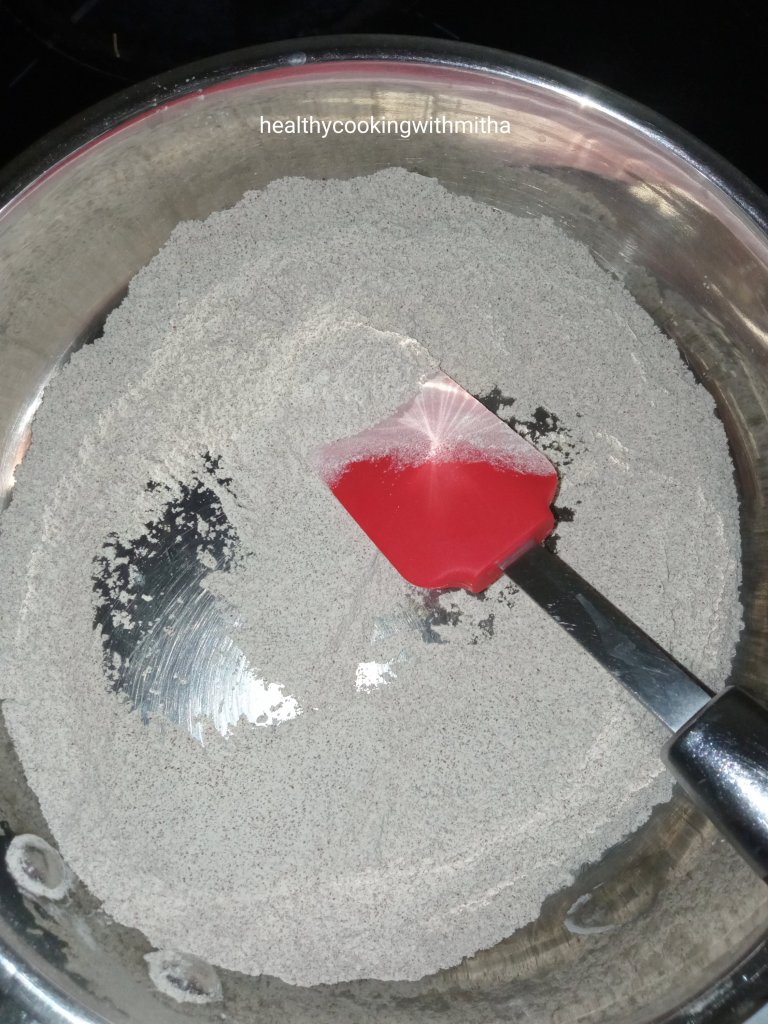
1. Dry roast Ragi flour ( do NOT add oil while roasting) on medium flame till you get an aroma of the flour and it changes colour to a darker tone.

Note: Even if you have roasted ragi flour with you, dry roast for few minutes as it enhances the flavour a lot.

2. Transfer it to a bowl. Add salt.

3. Now add hot water, little by little. Mix as you add water.

4. As you add hot water, little by little, after mixing, the dough will look like this. Do NOT add water after this.

5. Now the dough will be warm. Using hands, mix together to form a smooth and soft dough.

6. Now make the inner filling. Take coconut and jaggery in a pan. Heat it together on medium flame till the jaggery melts and coconut will stick to jaggery. Remove from flame. Add Cardamom powder. Mix well.

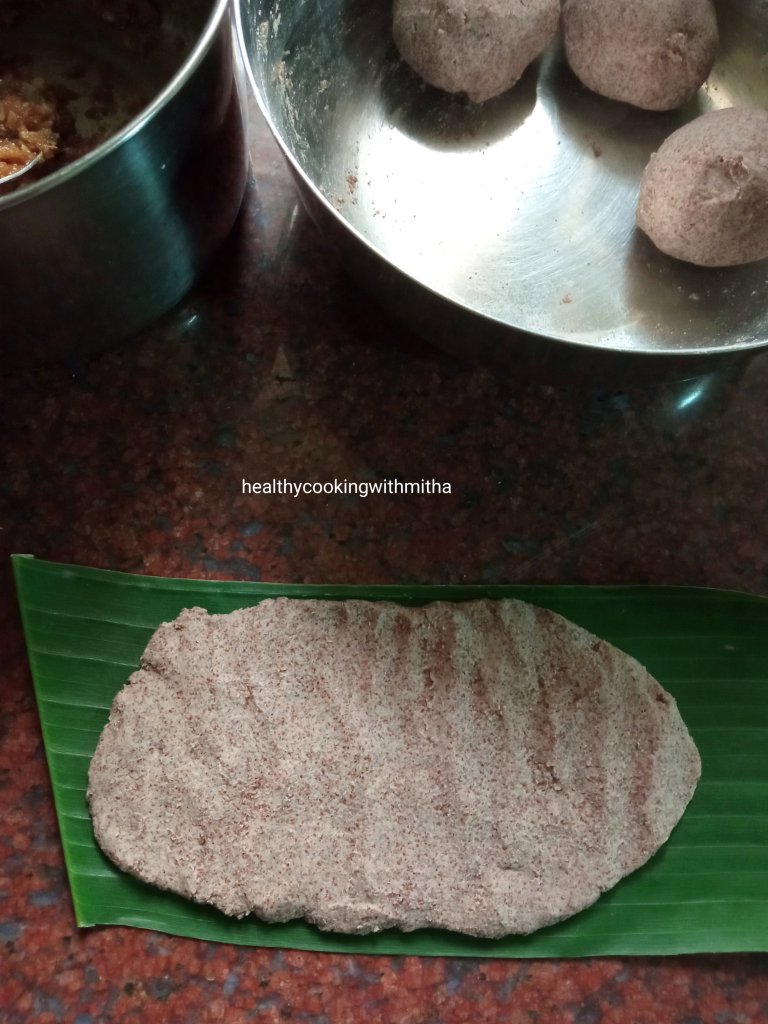
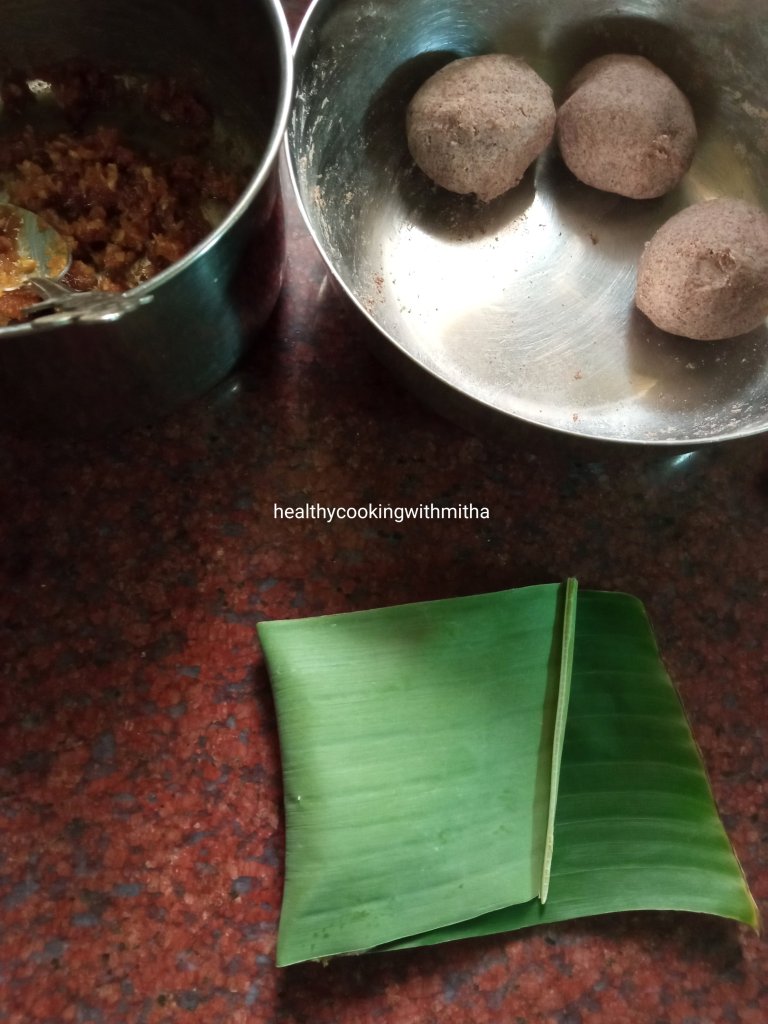
7. Now cut the banana leaf into rectangle pieces as shown. Clean it with water and wipe it dry.

Also divide the ragi dough into equal sized balls. If you have taken 1 Cup (240 ml) of Ragi flour, you will get 5 balls.

8. Take a ball of ragi dough and spread it using slightly wet fingers as thin as possible.

9. Take a spoonful of the filling and place it on one half side. Spread it on the half side using spoon as shown in the image below.

10. Fold the banana leaf while closing both the halves as shown.

11. Seal the edges of the dough using fingers so that the filling does not come out.

12. Repeat the same with the rest of the dough balls. Place it on a idli steamer.

13. Steam for 20 to 25 mins on high flame till the ada cooks thoroughly. Remove from flame. Allow it to cool for 5 mins.

14. Now peel off the banana leaf, discard it and enjoy the warm Ragi ela adas. 😍

Click on the image to save the recipe on Pinterest

Just look at the inside of the ada. Sweet, juicy and so delicious 😍

Click on the image to save the recipe on Pinterest

Notes:

* As you can see from the above picture, the ada is of the right thickness and also steamed fully. This is due to spreading the dough thin over the banana leaf and also steaming for atleast 20 mins.

* Even if you have roasted ragi flour with you, dry roast for few minutes to get perfect aromatic ragi adas.

* Do use only hot water while preparing the dough. It took me around 1 Cup hot water for 1 Cup Ragi flour. Add only 1/4 Cup at a time and mix well till you get the dough as in step number 4. Then mix using hands to form a smooth dough.

* Don’t add a lot of water while making dough. It will be difficult to spread if dough is too soft.

* For 1 Cup Ragi flour, 3/4 Cup coconut and 3/4 Cup jaggery made the right filling for me. If you add a lot of filling, it will be difficult to seal the edges. So add only a spoonful to cover half of the ada.

* I have not made this without banana leaves. So can’t say the alternative to it. Spreading the dough on the leaf is easy and the ada turns aromatic too. So try to get the leaves if you can.

* These adas are best eaten soon after they are steamed but tastes yummy even after few hours too. So you can carry it in tiffin box and during travel too.

* A similar recipe with coconut jaggery filling is this Kerala style Nendrapazham nirachathu or stuffed Nendran Bananas..

Nendrapazham nirachathu

* I make many dishes using Ragi flour. You can check the recipes here:

Instant Ragi Rava dosa

Ragi Set Dosas

Instant Ragi Idlis

Ragi Urad Idlis

Ragi Malpuas/ Ragi Pancakes

Ragi Jaggery Ladoos

Ragi Butter cookies

Eggless Ragi Chocolate Cake

Kerala style Vegetable stew | easy stew recipe

Click on the image to save the recipe on Pinterest

I love different varieties of mixed vegetable curries and Vegetable Kurma is one of my favorite. Apart from that, I also make Vegetable stew for a change as it’s very quick to make, tastes divine and so aromatic too.

Though it is usually eaten with Appam and Idiyappam, it is a great combination with chapatis and pulav too. Today I made it with dosas for breakfast and it was amazing as well. The soft dosas dipped in this stew was a tasty and healthy breakfast.

Hope you all try this delicious stew and enjoy it’s aroma in your kitchen too. Happy and healthy cooking! ❤️

(Sorry for short writeups nowadays. My kids hardly give me time to write blogs as they need me always. But I really wanted to share this recipe right away. So writing this quickly for all of you. 😍)

RECIPE:

Ingredients:

2 Tbsp Coconut oil

2 Cardamom pods

2 Cloves

1 inch Cinnamon stick

1 Bay leaf

1 inch Ginger, finely chopped

1 medium sized Onion, finely chopped

1 long Carrot, diced (about 1 Cup)

10 to 15 medium sized Beans, chopped

2 medium sized Potatoes, diced

1/4 tsp Pepper powder

2 Cups thin Coconut milk

A sprig of Curry leaves

1 Cup thick Coconut milk

Salt to taste

Step by step recipe:

1. Prepare the vegetables first by peeling and dicing carrots, chopping beans into 1 inch pieces (discard the ends), peel and dice potatoes. Keep aside. Also cut green chillies into long pieces and finely chop onions and ginger.

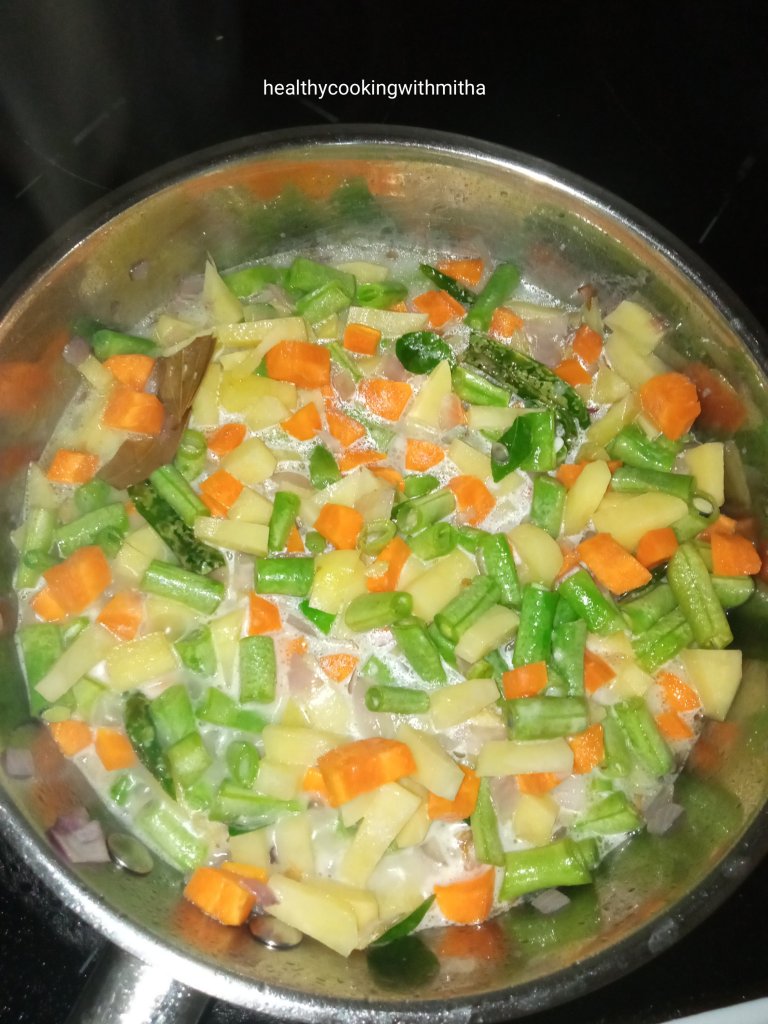
2. Heat oil in a pan. Add a bay leaf, cloves, cardamom and cinnamon. Also add ginger, green chillies and onions. Fry till onions turn translucent.

3. Now add the vegetables along with curry leaves and mix well. Add the thin Coconut milk (about 2 Cups). Also add salt and pepper powder. Cover and cook till the veggies turn soft.

4. Once vegetables turn soft (about 10 mins), add thick Coconut milk ( 1 Cup) and mix well.

5. Let it simmer on medium flame for about 10 mins till the gravy thickens. Now adjust water and salt. Done ❤️

6. Vegetable stew is served with Appam or Idiyappam. You can also serve it with rice or pulav, chapatis or dosas. It is so simple yet aromatic and delicious. ❤️

Click on the image to save the recipe on Pinterest

Notes:

* You can also add fresh/ frozen/ dried peas if you have.

* There are so many variations to stew as some add turmeric powder and even Garam Masala powder but this is a basic recipe close to the authentic Kerala style Vegetable stew. You can make variations as per your taste.

* Thick Coconut milk means when you grind fresh coconut with little water and sieve.

* Thin Coconut milk means when you grind the sieved coconut again with water and sieve again. That is the second coconut milk.

* What I do is, I use coconut milk powder diluted with water to get thin Coconut milk and use canned coconut milk for thick Coconut milk.

* You can use fresh, powder or canned coconut milk in this recipe as per what is easily available for you.

* Cooking the vegetables in thin Coconut milk is what gives the stew it’s flavour. So don’t skip it.

* After adding thick Coconut milk, don’t cook it on high flame for long. Just simmer it till it boils and remove from flame.

* You can also try this recipe of Restaurant style Vegetable Kurma.

Coconut Badam Ladoo | Easy Vegan ladoo recipe | Coconut Jaggery Ladoo

Click on the image to save the recipe on Pinterest

In three days, it’s Deepavali and we will all soon be busy decorating our houses, lighting lamps, making sweets and savouries, enjoying this festive time with our families. Even though Deepavali is not the same here in Qatar, being far away from our dear ones, I still make sure kids don’t miss out on the essence of the festival by telling them the story of Ramayana, lighting lamps, wearing new clothes and making sweets to celebrate the festival. ❤️

Today morning I made these Coconut Badam ladoos which are the kids’ favorite as they love coconut based sweets a lot. They have holidays for the next four days and I will be busy with them, listening to their chatter. 😍 So I decided to share this recipe today itself to wish all of you a very Happy Deepavali. ❤️

Hope this beautiful festival of lights bring peace and happiness into your lives. Happy Deepavali to you and your family. Jai Shri Ram. 🙏

Do try these easy ladoos if you find time and you are sure to relish it. Happy and healthy cooking ❤️

RECIPE:

Ingredients: { Makes about 12 small ladoos }

1 Cup = 240 ml

2 Cups Desiccated Coconut (or freshly grated coconut)

About 15 Almonds/ Badam

1/4 Cup Water (to make Almond paste)

3/4 Cup Jaggery powder (or grated jaggery)

1/4 tsp Cardamom powder, for flavour

Step by step recipe:

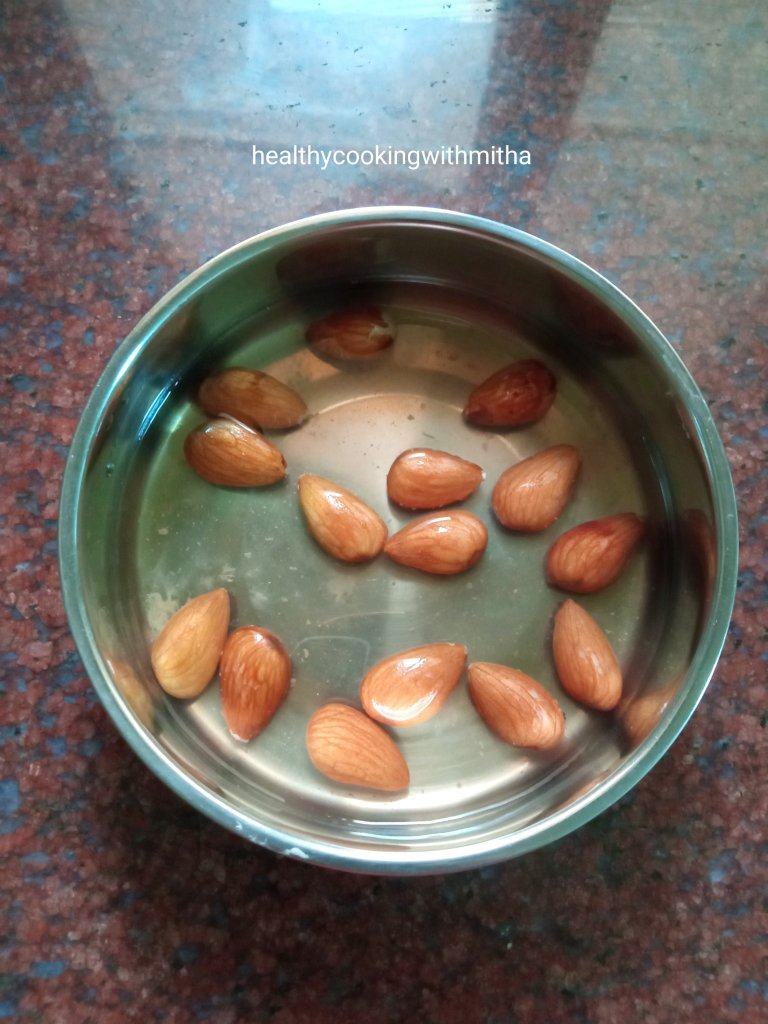
1. Soak Almonds one night before making the ladoos. Just immerse in little water for about 8 hours.

2. Drain the water and peel the almonds. The peels come off easily as they have been soaked well.

3. Add to a mixer along with 1/4 Cup water and grind to a fine paste.

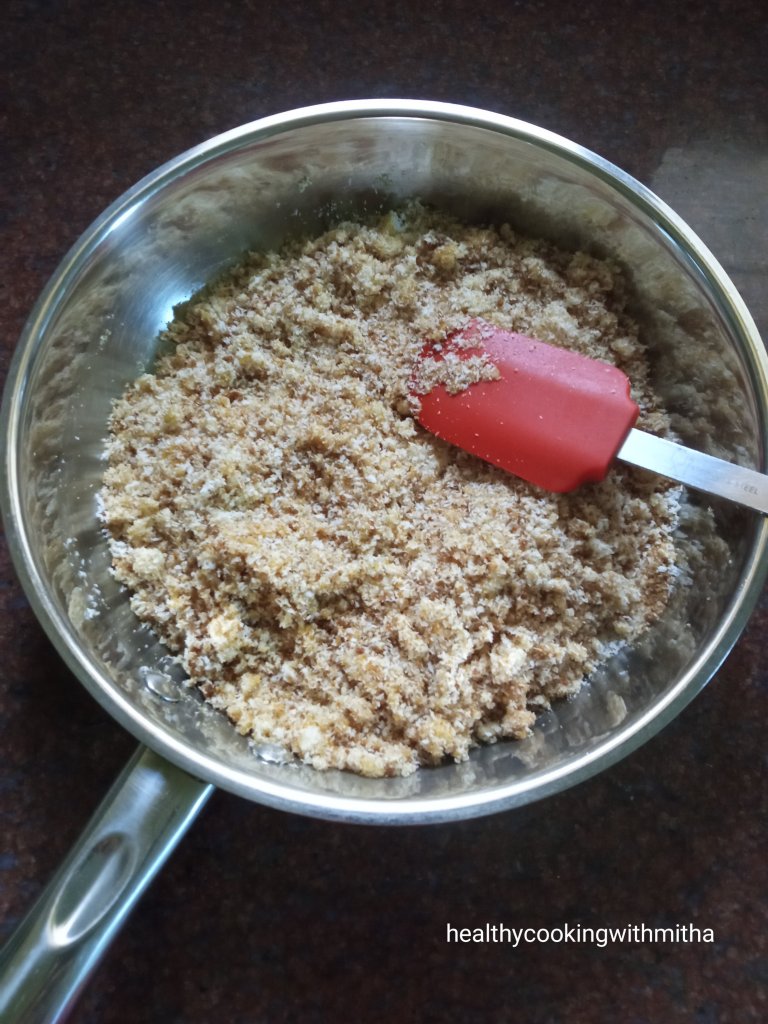
4. In a thick bottomed pan add coconut gratings or desiccated coconut, jaggery powder or grated jaggery and the almond paste. Don’t keep it on flame yet.

5. Now mix well using a spatula.

6. Now keep the pan on medium flame and start mixing using the spatula. Jaggery will melt and the mixture will start becoming soft and blend well. Keep mixing for about 8 to 10 mins. Add cardamom powder.

7. Mix once and remove the mixture into a bowl.

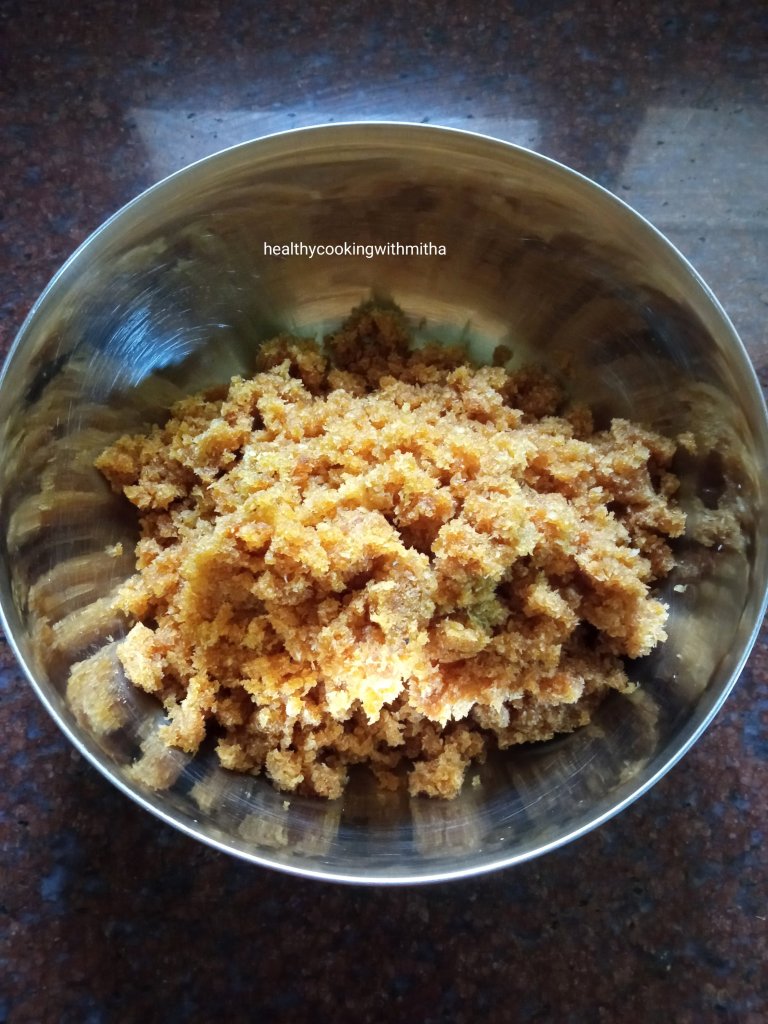
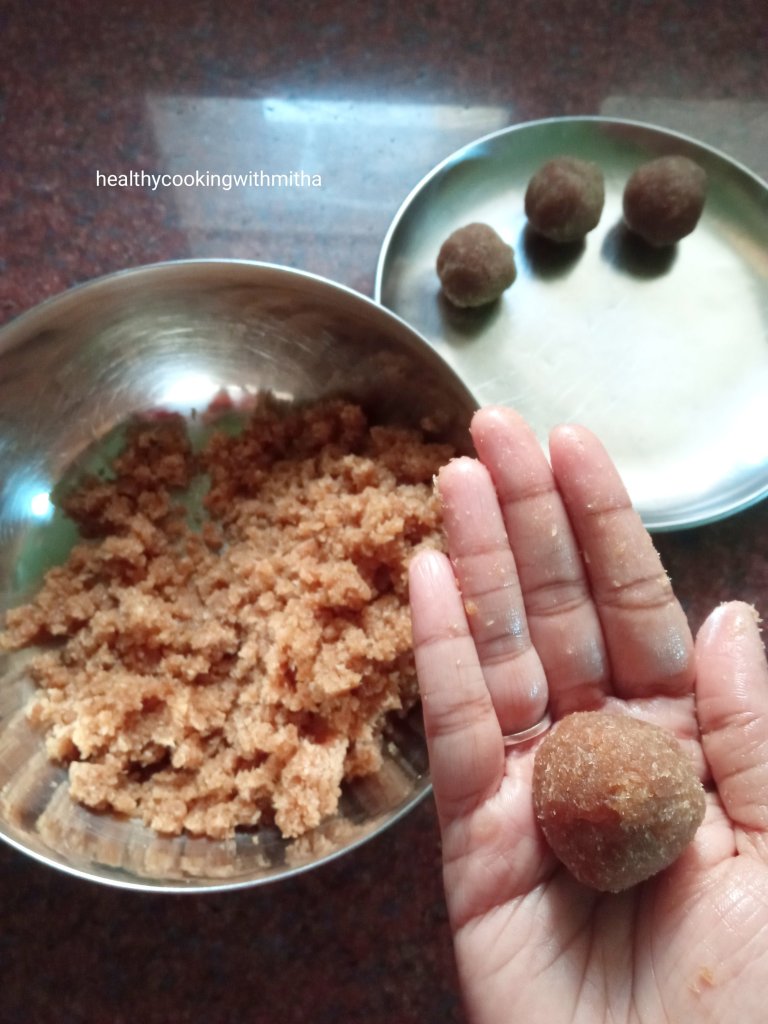
8. When the mixture is warm, start making ladoos using your hands. It is very easy to make when the mixture is warm and moist. Take a small portion and open close your right hand till the mixture binds well to form a round shaped ball.

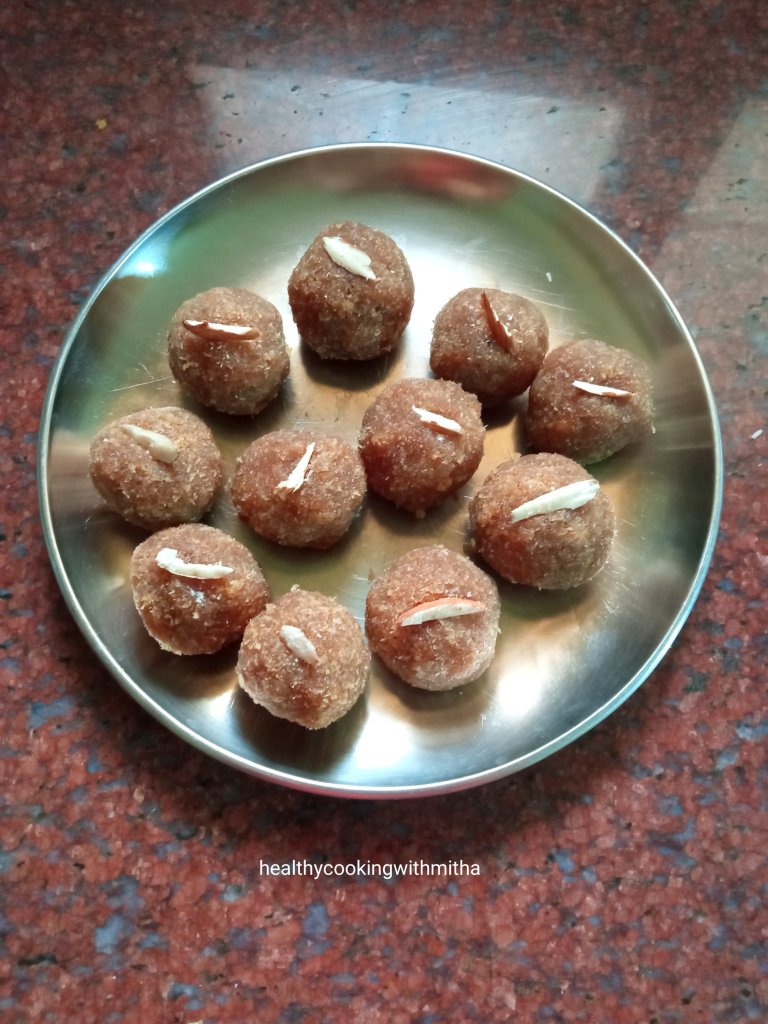
9. Make ladoos with all of the mixture. You can also decorate the ladoos with fine sliced Almonds. Done ❤️

Notes:

* I have used desiccated coconut to make these ladoos. You can use freshly grated coconut too.

* Soaking Almonds overnight makes it easier to peel and also increases the nutrition of the Almonds.

* Once you mix coconut, jaggery and almond paste before keeping on the flame, it might seem dry but when you heat it, the jaggery will melt and help combine the mixture well.

* Heat it on medium flame though, else jaggery will burn if heated on high flame.

* When the mixture is warm and moist itself, make ladoos as it is easy that time.

* Store in a dry container for a day or two and then if leftover, you can refrigerate.

* Jaggery can be substituted with sugar too in case your family does not like jaggery flavour.

* Almonds can be substituted with Cashews too.

* I make Coconut Burfis with Cashews and sugar which I learnt many years back from Konkani Saraswat Cookbook by Asha Satish Philar mai. Here is the recipe – Coconut Burfis.

* Other Ladoos with Coconut that I make –

Microwave Mango Coconut Ladoos

Mango Coconut Ladoos

Dry fruit Coconut Ladoos

* All my easy sweet recipes that can be made within 15 mins – Easy sweet recipes Compilation

Click on the image to save the recipe on Pinterest

Walnut Chutney

Click on the image to save the recipe on Pinterest

Recently I got a lot of walnuts (at super cheap price 😁✌️) which are so crunchy and tasty that I munch couple of them when I have mid meal hunger pangs. Apart from eating the walnuts as it is, I looked up for recipes so that I can add it in my kids’ diet too without them knowing (sshhh 🤫😄).

That’s when I found that they could be added in chutneys and what better an idea as my kids love their dosa and idli with chutney. So I tried in many ways and finally found this way the best. In this chutney you can never say it has walnuts in it as the flavour of red chillies and hing masks the nuttiness of walnuts really well.
Today made this chutney with Rava Idlis and they made such a great combination that I felt like sharing it with you all instantly. Hope you all try it too. Happy and healthy cooking! ❤️

RECIPE:

Ingredients: { Serves 2 to 3 people }

3/4 Cup freshly grated Coconut or Desiccated coconut

4 Walnuts

4 Kashmiri Red Chillies or to taste

1 tsp Tamarind paste

Pinch of Hing / Asafoetida

Salt to taste

For seasoning:

2 tsp Coconut Oil

1 tsp Mustard seeds

5 to 6 Curry leaves

Step by step recipe:

1. Take coconut, red chillies, tamarind paste, hing and salt in a mixer.

2. Roast walnuts in a small pan for few seconds. It just needs to heat a bit. Then remove from the flame.

3. Add to the mixer.

4. Add water as needed and grind to a smooth paste.

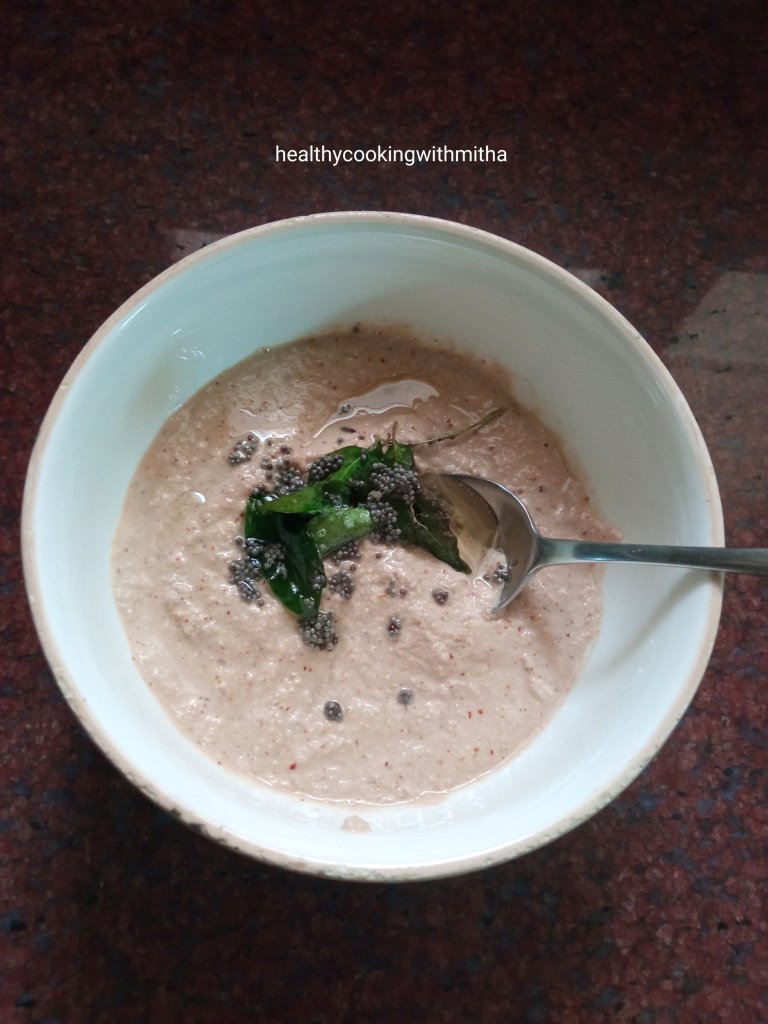
5. Remove to a bowl. Heat coconut oil in a pan. Add mustard seeds and when it splutters, add curry leaves and roast a little. Pour over the chutney. Mix well.

6. Serve with dosas or idlis.

Notes:

* I add 4 Kashmiri red chillies for 3/4 Cup Coconut. It does not turn out very spicy and I make it so as I make for my kids. You can increase as per your taste.

* 4 to 5 Walnuts are perfect for this measurement. If you add more, the walnut nuttiness might become more prevalent.

* I made this chutney with Instant Rava Idlis today.

* You can check my Variety Idli Recipes Compilation.

* I make more than 30 types of Dosas including many no rice dosas too. You can check:

All Dosa recipes

No Rice Dosa recipes

Click on the image to save the recipe on Pinterest